Our Verdict
PuroAir PuroAir 240 HEPA Air Purifiers Wins
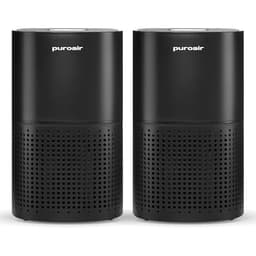
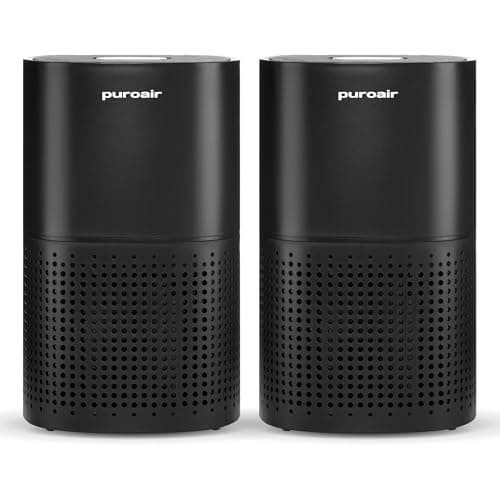
This 2-pack offers an unparalleled value proposition, delivering a staggering 640 CADR for smoke and covering up to 1000 sq ft per unit, dwarfing Honeywell's 198.4 CADR and 310 sq ft coverage for nearly the same price ($279.99 for two vs $240.74 for one). For expansive air purification needs across multiple rooms or very large spaces, the PuroAir is the superior choice. The Honeywell HPA-250 could be a better pick for those prioritizing specific VOC detection and Bluetooth app control in a single, moderately sized room, and are willing to pay a premium for those specialized smart features.
Bottom Line: PuroAir PuroAir 240 HEPA Air Purifiers is the better choice. This 2-pack offers an unparalleled value proposition, delivering a staggering 640 CADR for smoke and covering up to 1000 sq ft per unit, dwarfing Honeywell's 198.
In-Depth Analysis
How they compare in practice
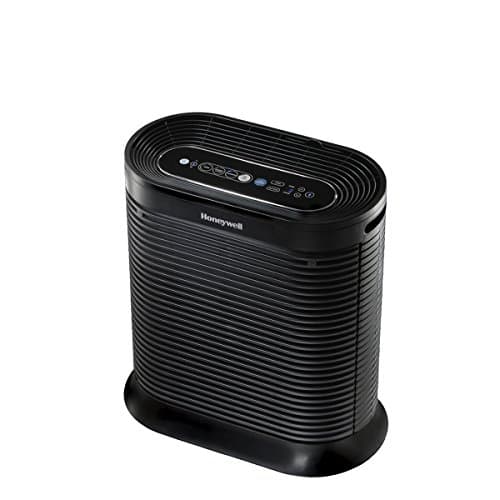
The primary distinction between the Honeywell HPA-250 and the PuroAir 240 lies in their sheer scale of performance and value proposition. The PuroAir 240, marketed as a 2-pack for just $279.99, boasts an impressive 640 CADR for smoke and covers a vast 1,000 square feet per unit. This means for a slightly higher investment, buyers receive two high-capacity purifiers, each capable of cleansing extremely large spaces or multiple substantial rooms. In contrast, the Honeywell HPA-250, priced at $240.74 for a single unit, offers a CADR of 198.4 for smoke and covers only 310 square feet. This stark difference in coverage and purification power per dollar makes the PuroAir 240 an undeniable value leader for those needing to tackle larger areas or multiple rooms simultaneously.
Beyond raw performance, real-world usability presents different trade-offs. The Honeywell HPA-250 differentiates itself with a specific VOC sensor and Bluetooth connectivity, allowing for detailed air quality monitoring and app-based control, a feature notably lacking in the PuroAir 240. This makes the Honeywell more appealing for tech-savvy users who want precise data and remote management, especially if they are particularly concerned about volatile organic compounds. However, the PuroAir compensates by promising quiet operation and including a dedicated sleep mode, which, while not quantified in decibels, suggests a focus on user comfort in bedrooms or quiet living spaces.
The filtration technologies are largely comparable; both utilize HEPA-type filters (Honeywell specifies "True HEPA"). However, PuroAir's "3-layer filtration" combined with its massive CADR indicates very effective pollutant removal. The Honeywell's activated carbon pre-filter is a specific advantage for robust odor reduction. The absence of specific noise levels for both units prevents a direct comparison on a key priority spec, but PuroAir's claim of quiet operation, especially for a unit with such high airflow, is a significant real-world benefit for its intended large room applications.
Ultimately, the choice hinges on priorities. If maximum coverage, high purification speed, and exceptional value for multi-room or very large space application are paramount, the PuroAir 240 is the clear choice. Its ability to cover 1000 sq ft at 640 CADR for smoke per unit, delivered as a 2-pack, addresses significant air quality challenges efficiently and affordably. The Honeywell, while capable for its specified 310 sq ft, caters to a niche desiring detailed smart features like VOC sensing and app control, sacrificing raw power and expansive coverage for specialized monitoring capabilities.
Key Differences
The most significant spec differences at a glance
Cadr Smoke
69% lessCoverage Sq Ft
69% lessAdvantages
Where each product wins

PuroAir
- Cadr Smoke: 69% higher (198.4 vs 640.0)
- Coverage Sq Ft: 69% higher (310 vs 1000.0)
Which to Pick for Your Situation
Concrete scenarios with a clear recommendation
For a large open-plan living area (up to 1000 sq ft)
PuroAirThe PuroAir 240's 1000 sq ft coverage and 640 CADR for smoke make it ideal for rapidly purifying very large spaces.
For a standard bedroom or home office (around 300 sq ft)
HoneywellThe Honeywell HPA-250's 310 sq ft coverage and VOC sensor provide tailored air quality monitoring and purification for a single room, plus Bluetooth control.
For homes needing purification in multiple large rooms
PuroAirThe PuroAir 240 comes as a 2-pack, allowing for high-performance purification in two separate 1000 sq ft areas for a highly competitive price.
For tech-savvy users desiring detailed air quality data and app control
HoneywellThe Honeywell HPA-250 features a VOC sensor and Bluetooth connectivity for smartphone app control, providing specific air quality insights.
Who Should Buy Which?
Find the right product for your needs

Buy Honeywell if...
Honeywell HPA-250 Bluetooth Smart
The ideal buyer for the Honeywell HPA-250 is someone living in a medium-sized apartment or focusing on improving air quality in a single, specific room like a master bedroom, living room, or home office up to 310 square feet. This individual prioritizes detailed air quality monitoring and modern convenience above expansive multi-room coverage. They are likely concerned about various indoor pollutants, including common allergens like dust and pet dander, but also volatile organic compounds (VOCs), which the integrated VOC sensor specifically monitors and reports. They appreciate being able to check real-time air quality stats and control their purifier remotely via a smartphone app, leveraging its Bluetooth connectivity for a seamless user experience. While they don't need to purify multiple large areas simultaneously, they value the "True HEPA" filtration for superior allergen capture and the activated carbon pre-filter for effective odor reduction. Their budget of around $240.74 allows for a premium single-unit experience, understanding they are paying for sophisticated smart features, precise monitoring, and a reputable brand, rather than raw expansive coverage. They are willing to forgo the immense capacity and multi-room purification of a 2-pack, instead opting for a more granular, data-driven approach to their immediate personal environment.

Buy PuroAir if...
PuroAir 240 HEPA Air
The ideal buyer for the PuroAir 240 is someone with significant and widespread air purification needs across a large living space or multiple rooms, prioritizing sheer purification power and extensive coverage at an exceptional value. This buyer finds the $279.99 price for a 2-pack an incredibly appealing proposition. They might live in a home with an open-plan layout exceeding 1000 square feet, or need to address air quality effectively in both a spacious living room and a large master bedroom simultaneously. Their primary concerns are high CADR for smoke (640.0 per unit) to quickly clear the air of common pollutants like wildfire smoke, pet dander, and dust, alongside broad coverage (1000 sq ft per unit) to ensure consistent, healthy air quality throughout their entire home. While specific VOC sensing and advanced smartphone app control aren't their top priorities, they appreciate the convenience of a smart sensor that automatically adjusts fan speed to optimize performance. They also highly value the promise of quiet operation with a dedicated sleep mode, especially given the powerful output, allowing these units to blend seamlessly into daily life. This buyer is practical and budget-conscious, recognizing the unparalleled performance-to-price ratio offered by getting two high-capacity purifiers capable of tackling substantial air quality challenges across their entire home more effectively than almost any single-unit alternative.
Spec Comparison
5 specs compared
| Specification |  |  |
|---|---|---|
| Price | $241 | $280 |
| Rating | 4.2(293) | 4.6(16.0k) |
| Cadr Smoke | 198.4 | 640 |
| Coverage Sq Ft | 310 | 1000 |
| Filter Type | True HEPA | HEPA |
| Smart Sensor | Yes | Yes |
| Energy Star | — | Yes |
Swipe horizontally to see all columns
Pros & Cons
Quick overview of strengths and weaknesses
Honeywell HPA-250 Bluetooth
- True HEPA captures common airborne allergens.
- Activated carbon pre-filter reduces odors.
- VOC sensor monitors and reports air quality.
- Cleans 310 sq ft rooms 4.8x per hour.
- Filter replacement cost is not specified.
- Operating noise level is not disclosed.
PuroAir 240 HEPA
- Covers 1,000 sq ft area rapidly.
- High CADR of 640 for effective smoke removal.
- 3-layer filtration removes 99.9% of pollutants.
- Smart sensor automatically adjusts fan speed.
- Requires ongoing cost for filter replacements.
- Specific noise output (dB) not detailed.
- Lacks remote or smartphone app control.
Frequently Asked Questions
Common questions about this comparison
How much coverage does each air purifier provide?
The PuroAir 240 covers up to 1000 sq ft per unit, and comes as a 2-pack. The Honeywell HPA-250 covers 310 sq ft for a single unit.
Which purifier is better for smoke removal?
The PuroAir 240 is significantly more effective, with a CADR for smoke of 640.0. The Honeywell HPA-250 has a CADR for smoke of 198.4.
Does either purifier have smart features or app control?
Both have smart sensors. The Honeywell HPA-250 features a VOC sensor and Bluetooth for app control. The PuroAir 240 lacks remote or smartphone app control.
Is the PuroAir 240 truly quiet?
The PuroAir 240 lists 'Quiet operation with dedicated sleep mode' as a pro, implying it's designed for low noise, though specific dB levels aren't provided.
What is the primary advantage of the Honeywell HPA-250?
Its main advantage is precise air quality monitoring with a VOC sensor and convenient Bluetooth app control, ideal for specific pollutant concerns in smaller areas.
What is the value proposition of the PuroAir 240?
Its exceptional value comes from providing two units, each covering 1000 sq ft with a 640 CADR for smoke, for only $279.99, making it highly cost-effective for large spaces.
Related Comparisons
Similar products people compare
Coway vs PuroAir
$399 vs $280
Honeywell vs PuroAir
$241 vs $260
BLUEAIR vs PuroAir
$320 vs $280
PuroAir vs Shark
$280 vs $327

PuroAir vs Winix
$280 vs $180
Honeywell vs PuroAir
$260 vs $280
Honeywell vs Medify Air
$241 vs $268
Coway vs PuroAir
$230 vs $280
Alen vs PuroAir
$313 vs $280
Coway vs Honeywell
$230 vs $241
PuroAir vs PuroAir
$280 vs $260
Coway vs PuroAir
$649 vs $280
BLUEAIR vs PuroAir
$270 vs $280
Honeywell vs LG
$241 vs $270
Honeywell vs LEVOIT
$241 vs $250
Explore Other Categories
Popular comparisons across the site



Ask AI
Get instant answers about specs
Get the Deets
Ask our AI assistant
Ask Deets anything!