Our Verdict
LG PuriCare 360 Wins
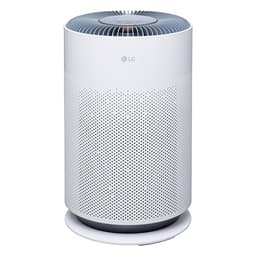
The LG provides verifiable and superior air purification capabilities with a CADR of 274.56 and effective coverage for 429 sq ft at a more affordable price of $269.99. It includes advanced smart features like Wi-Fi and a PM 1.0 sensor, which the Dyson HP10 lacks. The Dyson Purifier Hot+Cool Gen1 HP10 is the better pick for users who prioritize its unique heating and cooling functions, making it a multi-season climate control appliance rather than just an air purifier, despite its higher price of $363.99 and unspecified purification metrics.
Bottom Line: LG PuriCare 360 is the better choice. The LG provides verifiable and superior air purification capabilities with a CADR of 274.
In-Depth Analysis
How they compare in practice
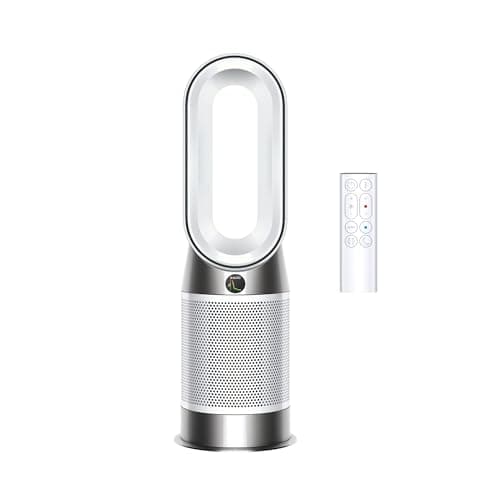
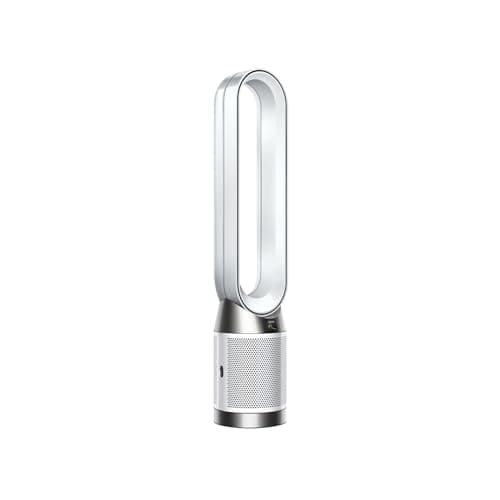
The Dyson Purifier Hot+Cool Gen1 HP10 and LG PuriCare 360 cater to distinctly different user needs, primarily diverging in their core functionality and smart integration. The Dyson, priced at $363.99, stands out for its unique ability to heat rooms in winter and cool them in summer, effectively acting as a three-in-one device: heater, fan, and air purifier. This multi-functionality, combined with its 350-degree oscillation and quiet night mode, offers convenience for year-round climate management. However, a significant drawback is the absence of specified CADR or coverage area, leaving consumers to estimate its purification efficacy. It also lacks smart app control and Energy Star certification, limiting modern convenience and potential energy efficiency. Its HEPA standard sealed filtration is a positive, but without performance numbers, it's hard to quantify its actual air-cleaning power.
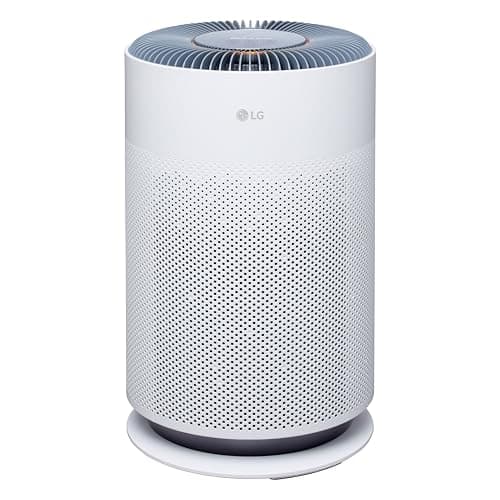
In contrast, the LG PuriCare 360, at a more accessible $269.99, is a dedicated air purification powerhouse. It boasts a verifiable CADR (Smoke) of 274.56 and efficiently purifies up to 429 sq ft, delivering 4.8 air changes per hour. Its NanoFiber True HEPA filter system, complemented by an activated carbon layer, effectively captures 99.97% of 0.3µm particles and addresses odors. The inclusion of a PM 1.0 smart sensor and Wi-Fi connectivity means users can monitor air quality and control the unit remotely via an app, enhancing user experience and responsiveness to environmental changes. While its omnidirectional design offers 360-degree filtration, it might limit placement options for some. The primary trade-off with the LG is its singular focus; it does not offer heating or cooling. Therefore, the choice boils down to comprehensive climate control versatility at a premium (Dyson) versus optimized, data-driven air purification with smart features at a lower cost (LG).
Key Differences
The most significant spec differences at a glance
Cadr Smoke
100% lessCoverage Sq Ft
100% lessAdvantages
Where each product wins

LG
- Cadr Smoke: 100% higher (-1 vs 274.56)
- Coverage Sq Ft: 100% higher (-1 vs 429.0)
Which to Pick for Your Situation
Concrete scenarios with a clear recommendation
For a multi-functional device in a bedroom
DysonThe Dyson HP10 uniquely combines air purification with heating and cooling, offering year-round comfort and space-saving efficiency.
For effective air purification with smart control
LGThe LG PuriCare 360 provides a strong CADR of 274.56, 429 sq ft coverage, Wi-Fi control, and a PM 1.0 sensor for detailed air quality monitoring.
For managing pet odors and allergens
LGLG's three-layer system includes an activated carbon filter, specifically designed to capture odors in addition to 99.97% of fine particles.
For a budget-conscious buyer seeking performance
LGAt $269.99, the LG offers robust purification specs like 274.56 CADR and 429 sq ft coverage, providing better value than the higher-priced Dyson with unstated purification metrics.
Who Should Buy Which?
Find the right product for your needs

Buy Dyson if...
Dyson Purifier Hot+Cool Gen1
The Dyson Purifier Hot+Cool Gen1 HP10 is ideal for individuals or small families seeking a versatile, all-in-one climate control solution that also purifies the air. This buyer values convenience and space-saving, preferring a single device that can transition seamlessly from heating a chilly room in winter to circulating cool air in summer, all while maintaining HEPA-level air filtration. They might live in an apartment or smaller home where dedicated heating, cooling, and air purifying units would clutter the space. The 350-degree oscillation and quiet night mode are significant draws for those prioritizing comfort and undisturbed sleep. This buyer is less concerned with specific CADR numbers or smart home integration via an app, instead prioritizing the Dyson's unique multi-functionality and elegant bladeless design. They are willing to pay the premium price of $363.99 for this blend of utility and design, accepting the lack of specified purification coverage and Wi-Fi features for its core triple threat capability.

Buy LG if...
LG PuriCare 360 Air
The LG PuriCare 360 is perfectly suited for the discerning individual or family primarily focused on optimizing indoor air quality with data-driven insights and smart control. This buyer likely suffers from allergies, lives in an urban environment with higher pollution, or simply prioritizes a pristine breathing environment. They will appreciate the LG's robust purification metrics, including a CADR (Smoke) of 274.56 and effective coverage for 429 sq ft, ensuring rapid and thorough air cleaning. The PM 1.0 sensor and Wi-Fi connectivity are crucial for them, allowing real-time monitoring of air quality and remote adjustments via a smartphone app, providing peace of mind and convenience. At $269.99, this buyer is budget-conscious but unwilling to compromise on core purification performance or smart features. They don't need or expect heating or cooling from their air purifier; their priority is simply the cleanest air possible, enhanced by the activated carbon filter for odor removal and a high-efficiency NanoFiber True HEPA filter system.
Spec Comparison
6 specs compared
| Specification |  |  |
|---|---|---|
| Price | $364 | $270 |
| Rating | 4.4(919) | 4.6(223) |
| Cadr Smoke | -1 | 274.56 |
| Coverage Sq Ft | -1 | 429 |
| Energy Star | No | — |
| Filter Type | HEPA | NanoFiber True HEPA |
| Smart Sensor | — | Yes |
| WiFi | — | Yes |
Swipe horizontally to see all columns
Pros & Cons
Quick overview of strengths and weaknesses
Dyson Purifier Hot+Cool
- HEPA standard sealed filtration captures pollutants.
- Heats rooms in winter, cools in summer.
- 350-degree oscillation for wide air circulation.
- Includes auto-off timer: 1, 2, 4, 8 hours.
- No smartphone app for remote control.
- Not Energy Star certified.
- CADR and coverage area not specified.
LG PuriCare 360
- Captures 99.97% of 0.3µm particles with HEPA filter.
- Three-layer system includes activated carbon for odors.
- PM 1.0 sensor detects ultrafine particle levels.
- Covers 429 sq ft at 4.8 air changes per hour.
- Omnidirectional design limits placement options.
- Provides only 1 air change per hour in 2059 sq ft rooms.
- Multiple filters necessitate distinct replacements.
Frequently Asked Questions
Common questions about this comparison
Does the Dyson Purifier Hot+Cool Gen1 HP10 provide heating?
Yes, the Dyson HP10 functions as a heater, fan, and air purifier, circulating warm air in winter and cool air in summer. It also offers 350-degree oscillation.
What is the effective coverage area of the LG PuriCare 360?
The LG PuriCare 360 effectively purifies spaces up to 429 sq ft, delivering 4.8 air changes per hour. It can also service larger rooms at lower air change rates.
Do either of these purifiers have Wi-Fi connectivity?
The LG PuriCare 360 is Wi-Fi enabled, allowing remote control and status checks via a smartphone app. The Dyson Purifier Hot+Cool Gen1 HP10 does not offer smartphone app control.
What type of filter does the LG PuriCare 360 use?
The LG PuriCare 360 features a NanoFiber True HEPA filter as part of a three-layer system, which also includes an activated carbon filter for odor removal. It captures 99.97% of 0.3µm particles.
Is the Dyson Purifier Hot+Cool Gen1 HP10 Energy Star certified?
No, the Dyson Purifier Hot+Cool Gen1 HP10 is not Energy Star certified. This means it may consume more energy compared to certified appliances under certain operational conditions.
Related Comparisons
Similar products people compare
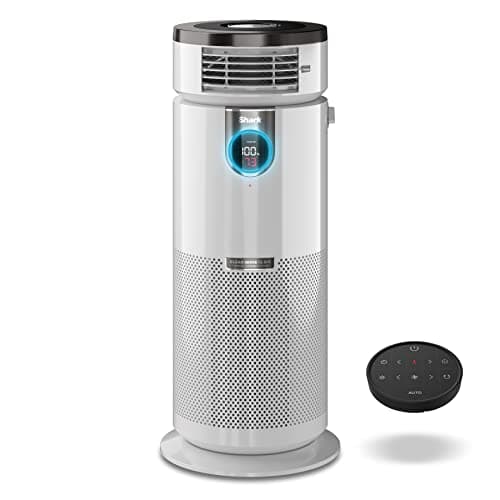
Dyson vs Shark
$364 vs $320
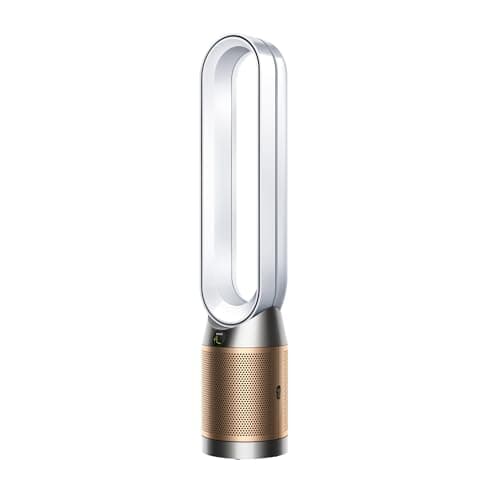
Dyson vs Dyson
$500 vs $364
Dyson vs Dyson
$650 vs $364
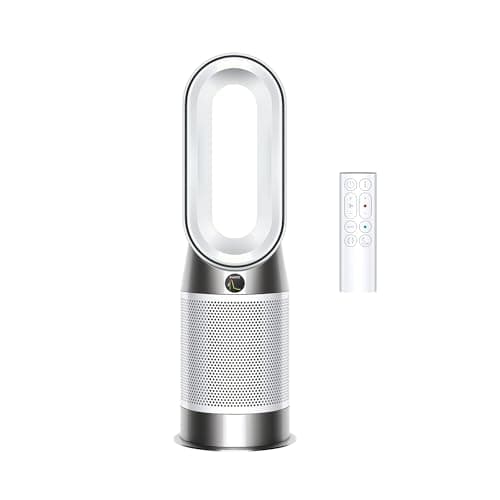
Dyson vs Dyson
$364 vs $579
Dyson vs Dyson
$526 vs $364
BLUEAIR vs LG
$320 vs $270
BLUEAIR vs Dyson
$320 vs $364
Dyson vs LG
$364 vs $450
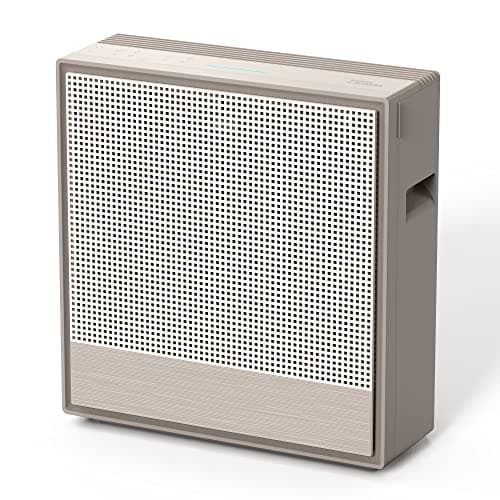
Coway vs Dyson
$399 vs $364
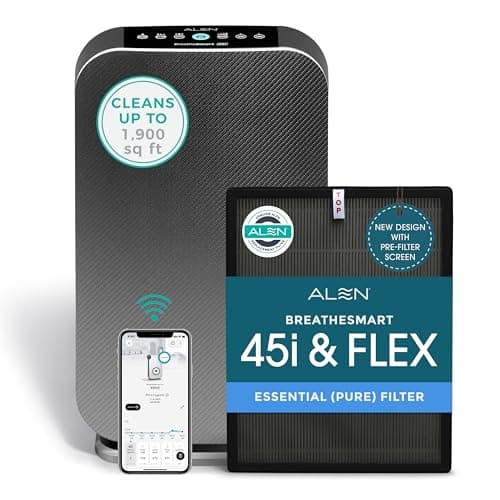
Alen vs LG
$313 vs $270
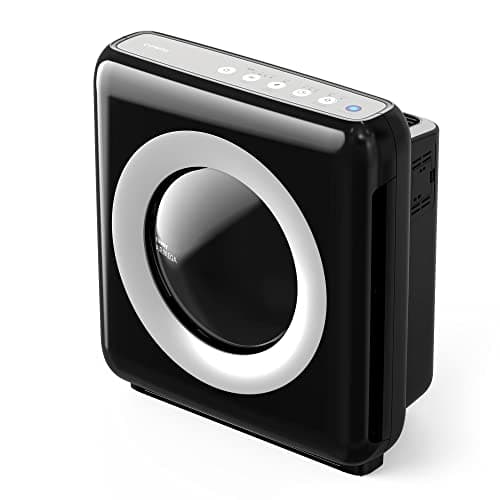
Coway vs LG
$230 vs $270
Alen vs Dyson
$313 vs $364
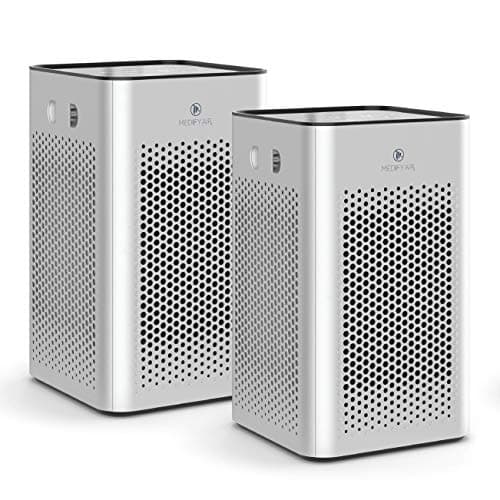
LG vs Medify Air
$270 vs $268
LG vs PuroAir
$270 vs $260
Coway vs LG
$399 vs $270
Explore Other Categories
Popular comparisons across the site



Ask AI
Get instant answers about specs
Get the Deets
Ask our AI assistant
Ask Deets anything!