Our Verdict
Blueair Blue Pure 211i Max Wins
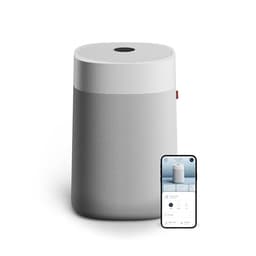
This air purifier stands out as the clear victor for dedicated air cleaning, offering a superior CADR of 406.4 for smoke and covering a substantial 635 sq ft, all at a lower price point of $319.99 compared to the Dyson's $411.55. Its ability to operate quietly at 23 dB further enhances its appeal for continuous use. The Dyson Purifier Cool Autoreact TP7A is the better pick only if the primary need is for a device that provides personal cooling airflow alongside light, unquantified air filtration, rather than robust air purification.
Bottom Line: Blueair Blue Pure 211i Max is the better choice. This air purifier stands out as the clear victor for dedicated air cleaning, offering a superior CADR of 406.
In-Depth Analysis
How they compare in practice
The Blueair Blue Pure 211i Max and Dyson Purifier Cool Autoreact TP7A represent two distinct philosophies in home air treatment, with the Blueair excelling as a dedicated purifier while the Dyson offers a multi-functional approach. In terms of raw air cleaning capability, the Blueair is unequivocally superior. Its robust CADR of 406.4 for smoke and specified coverage of 635 sq ft demonstrate its capacity to effectively clean large rooms. This means users in a 635 sq ft space will experience roughly 4.8 air changes per hour, significantly improving air quality for allergens, dust, and odors. In real-world use, a Blueair user will notice a tangible difference in air freshness and a reduction in airborne irritants, particularly crucial for those with allergies or pets. The unit also operates remarkably quietly, down to 23 dB, making it suitable for bedrooms or offices without distraction.
Conversely, the Dyson Purifier Cool Autoreact TP7A, while aesthetically pleasing and offering the unique benefit of cooling airflow, conspicuously lacks critical purification metrics. A CADR of 0 for smoke and no specified room coverage area leave potential buyers in the dark regarding its actual air cleaning efficacy. This suggests that its purification capabilities are secondary to its fan function or are simply not designed for heavy-duty air purification needs, such as smoke removal or cleaning very large spaces. For a Dyson owner, the primary real-world benefit will likely be the pleasant, personal cooling breeze, with air purification acting as a complementary, less measurable feature.
The value proposition differs significantly. The Blueair, priced at $319.99, offers transparent, high-performance air purification for a lower investment. It's an Energy Star Most Efficient 2023 product, highlighting its energy efficiency. The Dyson, at $411.55, commands a higher price, primarily for its dual function as a fan and its premium brand appeal. The trade-off is clear: Blueair delivers serious air purification and quantifiable results, while Dyson provides a stylish device with cooling and some level of purification, but without the spec-backed assurance of deep cleaning. Consumers prioritizing measurable clean air over cooling functionality and design will find the Blueair a more practical and effective choice.
Key Differences
The most significant spec differences at a glance
Cadr Smoke
100% moreCoverage Sq Ft
100% moreAdvantages
Where each product wins

BLUEAIR
- Cadr Smoke: 100% higher (406.4 vs 0)
- Coverage Sq Ft: 100% higher (635 vs 0)
Which to Pick for Your Situation
Concrete scenarios with a clear recommendation
For severe allergies or pet owners in large rooms
BLUEAIRThe Blueair boasts a CADR of 406.4 for smoke and cleans 635 sq ft, ensuring effective removal of allergens and pet dander.
For a dual-purpose device offering personal cooling and air filtration
DysonThe Dyson Purifier Cool Autoreact TP7A provides a cooling airflow in addition to its air purification capabilities, ideal for personal comfort.
For the quietest possible operation in a bedroom
BLUEAIRThe Blueair operates as quietly as 23 dB at its lowest setting, making it almost imperceptible during sleep.
For households concerned about smoke or strong odors
BLUEAIRWith a high CADR of 406.4 for smoke, the Blueair is significantly more effective at removing smoke particles than the Dyson, which lists 0 CADR for smoke.
Who Should Buy Which?
Find the right product for your needs

Buy BLUEAIR if...
BLUEAIR Air Purifiers for
The ideal buyer for the Blueair Blue Pure 211i Max is someone whose top priority is uncompromising, measurable air purification for large spaces. This person is likely an allergy sufferer, a pet owner, or lives in an environment prone to dust, smoke, or strong odors, and needs a device that genuinely improves air quality. They value quantifiable performance, seeking the high CADR of 406.4 for smoke and the specified 635 sq ft coverage to ensure their large living areas are thoroughly cleaned. Energy efficiency is also a concern, making its Energy Star Most Efficient 2023 certification appealing. This buyer appreciates smart features like real-time air quality monitoring and Wi-Fi connectivity for convenience. They prioritize clean air and quiet operation (down to 23 dB) over secondary features like cooling, and they are budget-conscious, recognizing the exceptional purification value at $319.99, understanding that they're giving up the cooling function found in more expensive, less spec-transparent competitors.
Buy Dyson if...
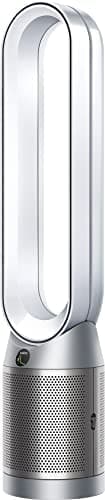
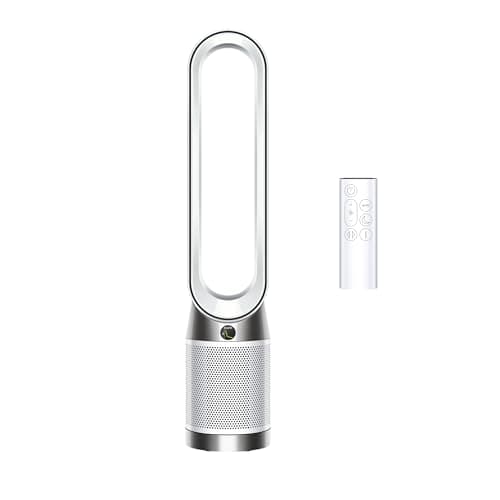
Dyson Purifier Cool™ Autoreact
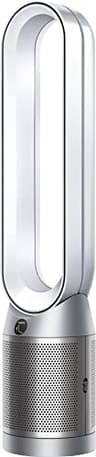
The Dyson Purifier Cool Autoreact TP7A is perfectly suited for a buyer who prioritizes aesthetics, dual functionality, and personal comfort within a premium brand ecosystem. This individual often lives in smaller spaces or needs a supplementary purification solution where the primary goal isn't necessarily heavy-duty air cleaning for large areas or severe particulate removal. Instead, they seek a stylish appliance that offers a gentle, automatic air purification alongside a significant benefit of cooling airflow. They appreciate the convenience of an integrated air quality sensor and the flexibility to choose between direct or diffused airflow. This buyer is willing to pay a premium price ($411.55) for the design, the cooling feature, and the Dyson brand experience, even if it means sacrificing transparent and high-performance air purification metrics like CADR for smoke (which is 0) and specific room coverage (which is 0) that dedicated purifiers offer. They are essentially buying a high-end fan with an added air filtration component, rather than a robust air purifier.
Spec Comparison
9 specs compared
| Specification |  |  |
|---|---|---|
| Price | $320 | $412 |
| Rating | 4.5(12.5k) | 4.4(170) |
| Cadr Smoke | 406.4 | 0 |
| Coverage Sq Ft | 635 | 0 |
| Noise Level db Min | 23 dB | — |
| Energy Star | Yes | — |
| Filter Type | True HEPA | — |
| Smart Sensor | Yes | Yes |
| WiFi | Yes | — |
| Filter Life Months | 6 | — |
| Noise Level db Max | 53 dB | — |
Swipe horizontally to see all columns
Pros & Cons
Quick overview of strengths and weaknesses
BLUEAIR Air Purifiers
- Cleans 3048 sq ft in one hour for large spaces.
- Removes 99.97% of particles down to 0.1 microns.
- Operates quietly, down to 23 dB at lowest setting.
- Real-time PM1, PM2.5, PM10 air quality monitoring.
- Filter replacement required every 6-9 months.
- Operation limited to North America 110-120V.
- Maximum noise output reaches 53 dB.
Dyson Purifier Cool™
- Automatic air purification
- Provides cooling airflow
- 360-degree filtration system
- User selects direct or diffused airflow
- Zero CADR rating for smoke
- No specified room coverage area
Frequently Asked Questions
Common questions about this comparison
Which air purifier is more effective for large rooms?
The Blueair Blue Pure 211i Max is significantly more effective, covering 635 sq ft and offering a CADR of 406.4 for smoke, ensuring comprehensive cleaning.
Does the Dyson Purifier Cool Autoreact TP7A effectively remove smoke?
The Dyson lists a CADR of 0 for smoke, indicating it is not designed or effective for removing smoke particles from the air.
What is the minimum noise level of these units?
The Blueair Blue Pure 211i Max can operate as quietly as 23 dB, making it very quiet for continuous use, especially in bedrooms.
Does either purifier offer a cooling function?
Yes, the Dyson Purifier Cool Autoreact TP7A provides cooling airflow, serving as both an air purifier and a fan.
How often do filters need to be replaced for the Blueair?
The filter in the Blueair Blue Pure 211i Max typically needs to be replaced every 6-9 months, ensuring consistent purification performance.
Related Comparisons
Similar products people compare
Dyson vs Shark
$412 vs $320
Dyson vs Dyson
$412 vs $364
Dyson vs Dyson
$526 vs $412
BLUEAIR vs Coway
$320 vs $230
Alen vs BLUEAIR
$464 vs $320
BLUEAIR vs LEVOIT
$320 vs $250
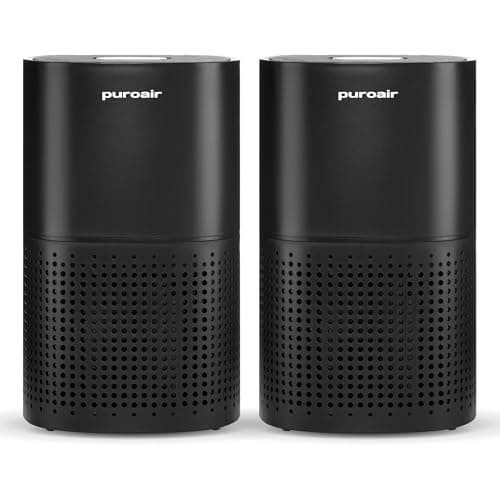
BLUEAIR vs PuroAir
$320 vs $280
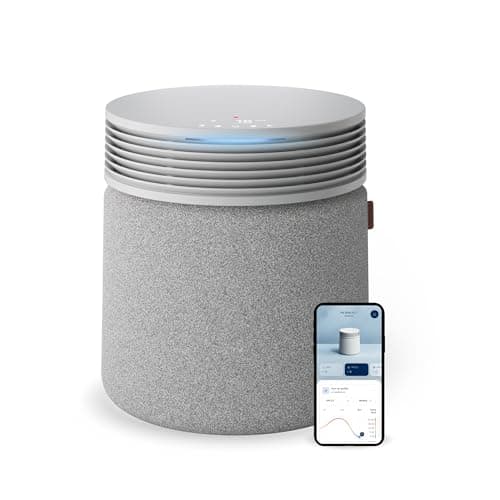
BLUEAIR vs BLUEAIR
$345 vs $320
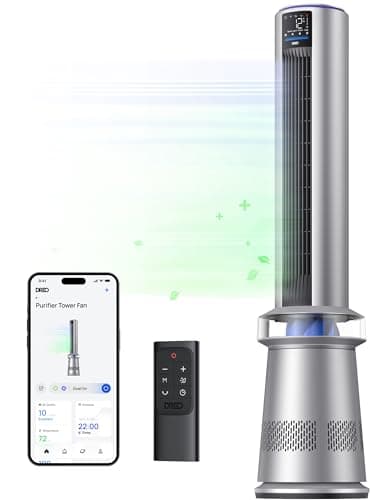
Dreo vs Dyson
$297 vs $412
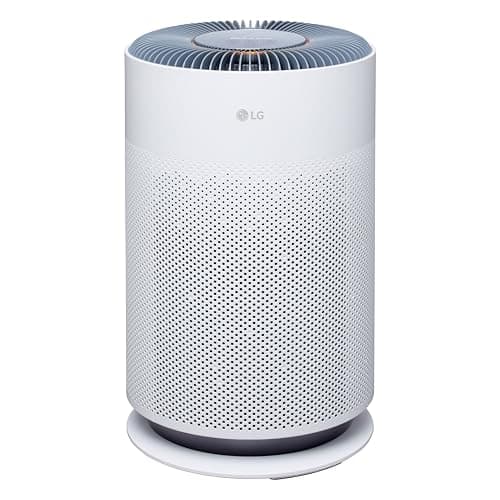
BLUEAIR vs LG
$320 vs $270
Dyson vs Dyson
$454 vs $412
Dyson vs Dyson
$412 vs $550
BLUEAIR vs Dyson
$320 vs $364
BLUEAIR vs Dyson
$320 vs $454
Alen vs Dyson
$404 vs $412
Explore Other Categories
Popular comparisons across the site



Ask AI
Get instant answers about specs
Get the Deets
Ask our AI assistant
Ask Deets anything!