Our Verdict
TOSHIBA Induction Heating Rice Cooker Wins

Its advanced Induction Heating (IH) technology provides superior temperature control and cooking consistency compared to Zojirushi's Micom heating, plus it features a unique Low Carb mode reducing digestive starch by up to 37%. While priced higher at $199.99 versus Zojirushi's $154.99, its 8 diverse cooking programs, including Quinoa and Mixed Grain, offer greater versatility. The Zojirushi NS-WAC10-WD is the better pick for budget-conscious buyers prioritizing a reliable, albeit less advanced, micom rice cooker for common rice types, especially if the specialized low-carb or induction features aren't a priority.
Bottom Line: TOSHIBA Induction Heating Rice Cooker is the better choice. Its advanced Induction Heating (IH) technology provides superior temperature control and cooking consistency compared to Zojirushi's Micom heating, plus it features a unique Low Carb mode reducing digestive starch by up to 37%.
In-Depth Analysis
How they compare in practice
The core distinction between the TOSHIBA Induction Heating Rice Cooker and the Zojirushi NS-WAC10-WD lies in their heating technology and specialized cooking programs. The TOSHIBA utilizes Induction Heating (IH), a more advanced method that generates heat directly within the inner pot itself, ensuring exceptionally precise temperature control and uniform heating throughout the cooking process. This translates to perfectly cooked rice with consistent texture, from fluffy white rice to firm brown rice, adapting seamlessly with its fuzzy logic system. In real-world use, this precision can mean less sticky rice, fewer burnt spots, and more reliable results across different grain types.
Conversely, the Zojirushi employs Micom (micro-computerized) heating. While still intelligent with fuzzy logic, Micom heating uses a heating plate at the bottom, which is less precise than IH. Users will find the Zojirushi delivers very good, consistent results for standard rice types, but it may not achieve the absolute perfection or nuanced texture control of the TOSHIBA, particularly for more delicate grains. The Zojirushi does boast a 'thick inner cooking pan' which aids in heat distribution, mitigating some of the Micom's inherent limitations.
A significant value proposition for the TOSHIBA is its unique 'Low Carb' mode, capable of reducing digestive starch by up to 37%. This feature, along with programs for Quinoa and Oatmeal, caters to health-conscious users or those with diverse dietary needs, making its higher $199.99 price point justifiable for this niche. The Zojirushi, at $154.99, excels as a reliable workhorse for traditional rice dishes, offering dedicated programs for White/Mixed, Sushi, and Porridge. Both share a 5.5-cup capacity and non-stick inner bowls, ensuring convenience, but the TOSHIBA's IH technology and specialized programs push it ahead for those seeking cutting-edge performance and specific health benefits.
Which to Pick for Your Situation
Concrete scenarios with a clear recommendation
For health-conscious individuals reducing carb intake
TOSHIBAThe TOSHIBA features a unique 'Low Carb' mode that reduces digestive starch by up to 37%, a significant benefit for specific dietary goals.
For budget-conscious buyers needing a reliable rice cooker
ZojirushiThe Zojirushi is $45 cheaper at $154.99 and provides reliable, consistent Micom heating for excellent everyday rice without premium features.
For enthusiasts who demand perfectly cooked, nuanced rice textures
TOSHIBATOSHIBA's Induction Heating (IH) offers superior temperature control and even cooking, resulting in consistently better texture and quality for various grains.
For preparing various rice types including sushi and porridge
ZojirushiThe Zojirushi offers dedicated 'Sushi' and 'Porridge' cooking programs, catering specifically to these preparations with optimized settings.
Who Should Buy Which?
Find the right product for your needs
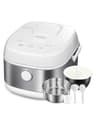
Buy TOSHIBA if...
TOSHIBA Induction Heating Rice
The TOSHIBA Induction Heating Rice Cooker is ideal for the health-conscious individual or small family who prioritizes perfectly cooked rice with advanced features and is willing to invest more for superior technology. This buyer values the precision and evenness offered by Induction Heating (IH), which ensures consistent texture and taste across a variety of grains. They would particularly benefit from the unique 'Low Carb' mode, an essential feature if they are monitoring their starch intake or following specific dietary plans. With 8 cooking programs including specialized options for Quinoa and Mixed Grain, this product is perfect for those who enjoy experimenting with diverse grain types beyond just white or brown rice. While the $199.99 price is higher, they see it as a justifiable cost for cutting-edge performance, reliability, and health-oriented functionalities, willingly trading off the Zojirushi's lower price for these advanced capabilities.

Buy Zojirushi if...
Zojirushi NS-WAC10-WD 5.5-Cup (Uncooked)
The Zojirushi NS-WAC10-WD is best suited for the practical, budget-aware consumer who seeks consistent and reliable rice cooking without needing the absolute latest in heating technology or niche dietary features. This buyer appreciates good value at $154.99 and expects their rice cooker to perform its primary function exceptionally well, day in and day out. They might frequently prepare common rice types like white, brown, or even sushi rice, for which the Zojirushi offers dedicated programs. The Micom heating technology, while not Induction, is still highly effective and ensures rice is cooked evenly thanks to its fuzzy logic and thick inner cooking pan. They might not be concerned with a 'Low Carb' option or cooking exotic grains like quinoa, instead valuing the straightforward operation and dependable results for their everyday meals. They are giving up the TOSHIBA's superior IH precision and specialized health features for a more affordable, yet highly capable, kitchen appliance.
Spec Comparison
10 specs compared
| Specification |  | 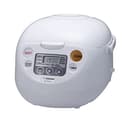 |
|---|---|---|
| Price | $200 | $155 |
| Rating | 4.4(3.3k) | 4.7(1.5k) |
| Heating Technology | Induction Heating (IH) | Micom |
| Capacity Cups | 5.5 | 5.5 |
| Inner Bowl Coating | Non-stick | — |
| Delay Timer | Yes | Yes |
| Fuzzy Logic | Yes | Yes |
| Display Type | LCD | LCD |
| Model Number | TRSH01 | NS-WAC10-WD |
| Keep Warm Hours | 24 hrs | — |
| Cooking Programs | Low Carb, Quick Rice, White Rice, Brown Rice, Mixed Grain, Quinoa, Steam, Oatmeal | White/Mixed, Sushi, Porridge, Sweet, Rinse-Free, Brown Rice |
| Induction Heating | Yes | — |
Swipe horizontally to see all columns
Pros & Cons
Quick overview of strengths and weaknesses
TOSHIBA Induction Heating
- Induction heating ensures precise and even cooking.
- Fuzzy logic adapts cook time for consistent results.
- Low Carb mode reduces digestive starch by up to 37%.
- Eight cooking programs handle diverse grain types.
- Inner pot requires hand washing; not dishwasher safe.
- Capacity of 5.5 cups may limit larger batch cooking.
Zojirushi NS-WAC10-WD 5.5-Cup
- Automatic cooking temperature and time adjustments.
- 6 dedicated cooking programs for various rice types.
- Includes keep warm and delay timer functions.
- Thick inner cooking pan ensures even heat.
- 5.5-cup uncooked capacity limits larger meals.
- Micom heating lacks induction's precise control.
- No pressure cooking function for quicker results.
Frequently Asked Questions
Common questions about this comparison
What is the main difference between Induction Heating (IH) and Micom heating?
Induction Heating (TOSHIBA) uses electromagnetic fields for direct, precise heating of the inner pot, offering superior temperature control. Micom heating (Zojirushi) uses a bottom heating plate, managed by a microcomputer, which is effective but less precise than IH.
How does the TOSHIBA's Low Carb mode work?
The TOSHIBA's Low Carb mode is designed to reduce the digestive starch in rice by up to 37%. It likely uses a specific cooking process involving water circulation and temperature control to achieve this dietary benefit.
Are both rice cookers suitable for a family of four?
Yes, both rice cookers have a 5.5-cup uncooked capacity, which typically yields enough cooked rice for 4-6 servings, making them suitable for an average family.
Does either rice cooker offer a pressure cooking function?
Neither the TOSHIBA TRSH01 nor the Zojirushi NS-WAC10-WD includes a pressure cooking function. Both rely on standard heating methods for cooking rice and other grains.
Which product offers more cooking program versatility?
The TOSHIBA offers 8 cooking programs including Low Carb, Quinoa, and Oatmeal, providing greater versatility for diverse grain preparation compared to the Zojirushi's 6 programs.
Related Comparisons
Similar products people compare


TOSHIBA vs Zojirushi
$200 vs $157
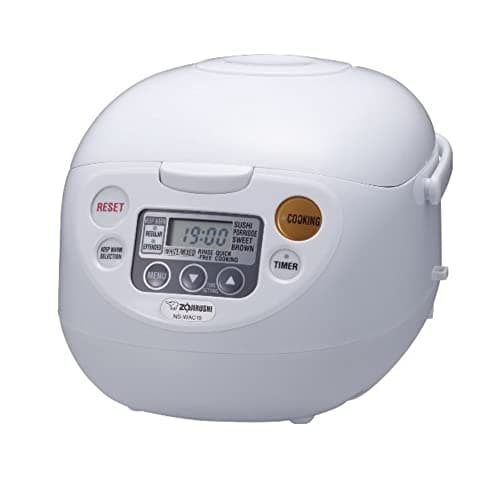
Zojirushi vs Zojirushi
$157 vs $155
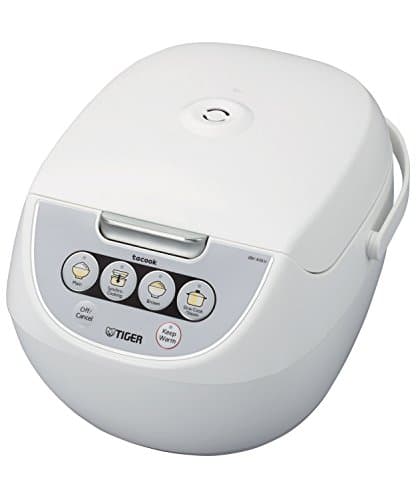
Tiger vs Zojirushi
$110 vs $155
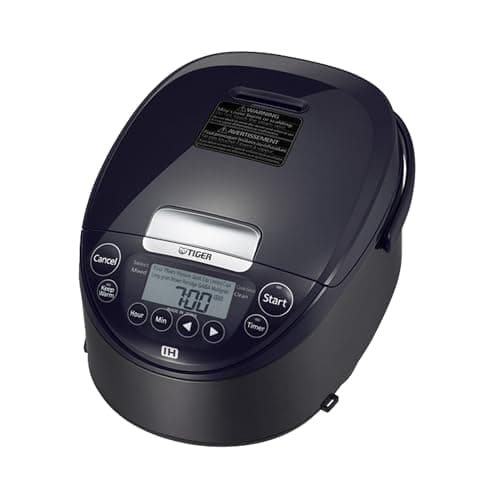
TOSHIBA vs Tiger
$200 vs $330
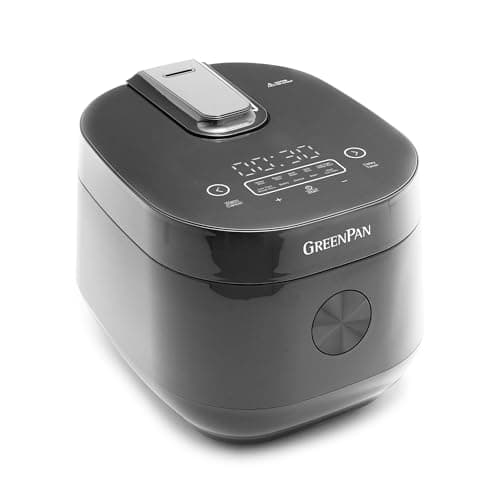
GreenPan vs TOSHIBA
$150 vs $200

CUCKOO vs TOSHIBA
$243 vs $200

TOSHIBA vs Zojirushi
$200 vs $238

TOSHIBA vs Zojirushi
$200 vs $263

TOSHIBA vs Zojirushi
$200 vs $219
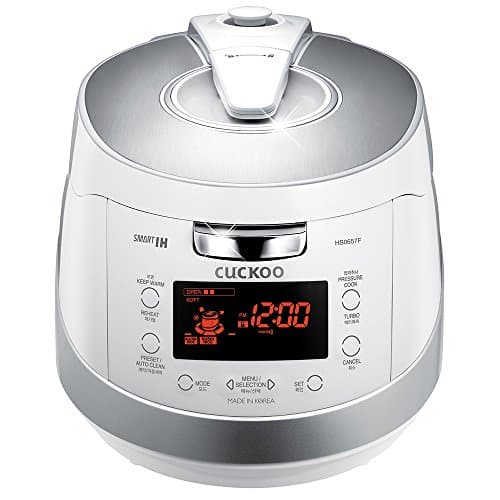
CUCKOO vs TOSHIBA
$193 vs $200
Zojirushi vs Zojirushi
$219 vs $155
CUCKOO vs Zojirushi
$193 vs $155
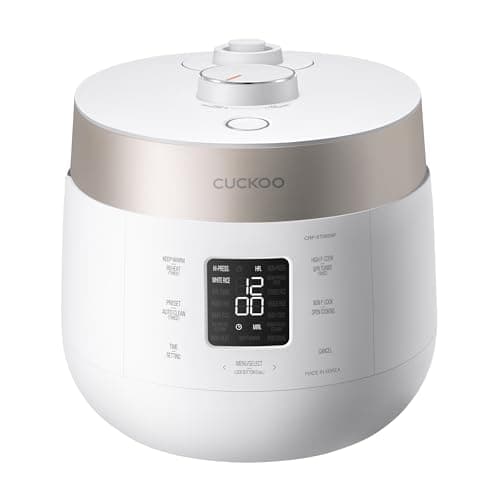
CUCKOO vs Zojirushi
$180 vs $155
CUCKOO vs TOSHIBA
$180 vs $200
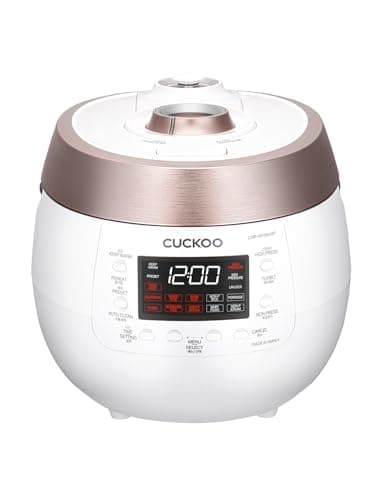
CUCKOO vs TOSHIBA
$300 vs $200
Explore Other Categories
Popular comparisons across the site
Ask AI
Get instant answers about specs
Get the Deets
Ask our AI assistant
Ask Deets anything!