Our Verdict
TOSHIBA Induction Heating Rice Cooker Wins

Priced significantly lower at $199.99 compared to Zojirushi's $237.99, the TOSHIBA offers superior Induction Heating (IH) technology, ensuring more precise and even cooking. Additionally, its unique Low Carb cooking program reduces digestive starch by up to 37%, a significant health benefit not found in the Zojirushi. The Zojirushi NS-ZCC10 becomes the better pick for users who prioritize Zojirushi's renowned "Neuro Fuzzy" Micom heating consistency for traditional rice types and are willing to pay a premium.
Bottom Line: TOSHIBA Induction Heating Rice Cooker is the better choice. Priced significantly lower at $199.
In-Depth Analysis
How they compare in practice
The primary distinction between these two 5.5-cup rice cookers lies in their heating technology and specialized cooking programs, directly impacting performance and health benefits. The TOSHIBA TRSH01 utilizes Induction Heating (IH), a more advanced method that generates heat directly within the inner pot, resulting in faster temperature changes and remarkably uniform cooking. This translates to consistently fluffy, perfectly cooked rice without burnt spots or undercooked grains, a noticeable improvement over standard heating elements. In contrast, the Zojirushi NS-ZCC10 employs Micom (microcomputer) heating, which, while enhanced by "Neuro Fuzzy" logic for smart adjustments, still relies on a more conventional heating plate. While Zojirushi's Micom is highly regarded for its reliability, it can't match the precision and responsiveness of IH.
Beyond heating, TOSHIBA offers a compelling unique feature: a Low Carb cooking program. This innovation reduces digestive starch by up to 37%, catering to health-conscious individuals or those managing specific dietary needs. This program significantly broadens the cooker's utility beyond standard rice preparation, a distinct advantage over the Zojirushi. While both units feature fuzzy logic for adjusting cook times, the TOSHIBA's combination of IH and this specialized health function provides a more modern and health-oriented value proposition.
The Zojirushi, despite its higher $237.99 price point compared to TOSHIBA's $199.99, offers a slightly different range of specialized programs, including options for porridge, sweet rice, and rinse-free rice, which might appeal to connoisseurs of specific Asian dishes. However, it lacks the 24-hour keep-warm function of the TOSHIBA, offering only automatic keep-warm. The inner bowl coating on both is non-stick, but the Zojirushi specifies a "spherical" pan, suggesting optimal heat convection even without IH. Ultimately, the TOSHIBA provides superior heating technology and a unique health-focused program at a more attractive price, making it a stronger all-around choice for most modern kitchens, while the Zojirushi leans on brand legacy and a diverse menu for niche traditional preparations.
Key Differences
The most significant spec differences at a glance
Induction Heating
100% moreAdvantages
Where each product wins

TOSHIBA
- Induction Heating: 100% higher (True vs False)
Which to Pick for Your Situation
Concrete scenarios with a clear recommendation
For health-conscious individuals monitoring carbohydrate intake
TOSHIBAThe TOSHIBA features a dedicated "Low Carb" mode, which is clinically proven to reduce digestive starch by up to 37%, directly supporting dietary goals.
For users prioritizing precise, even cooking performance and speed
TOSHIBAThe TOSHIBA's Induction Heating (IH) technology delivers superior heat distribution and responsiveness compared to the Zojirushi's Micom system, ensuring consistently perfect rice.
For budget-conscious buyers seeking premium features
TOSHIBAAt $199.99, the TOSHIBA offers advanced Induction Heating and a unique Low Carb mode at a lower price point than the Zojirushi's $237.99.
For traditional rice enthusiasts with specific cooking preferences
ZojirushiThe Zojirushi provides specific menu settings for items like porridge, sweet rice, and rinse-free rice, catering to a wider variety of traditional Asian rice preparations.
Who Should Buy Which?
Find the right product for your needs
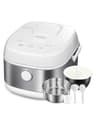
Buy TOSHIBA if...
TOSHIBA Induction Heating Rice
The TOSHIBA Induction Heating Rice Cooker is ideal for the modern, health-conscious home cook who prioritizes efficiency, precision, and dietary management without breaking the bank. This buyer values innovative technology that directly translates to tangible benefits. They might be individuals or small to medium families keen on reducing carbohydrate intake, making the "Low Carb" mode, which reduces digestive starch by up to 37%, a significant draw. Furthermore, someone who appreciates perfectly cooked rice consistently will benefit immensely from its Induction Heating (IH) technology, ensuring every grain is evenly cooked with precise temperature control. This buyer appreciates the convenience of an extensive 24-hour auto keep warm function, allowing for flexible meal times throughout a busy day. At its $199.99 price point, it's an excellent value for advanced features. They are willing to hand-wash the inner pot in exchange for superior cooking performance and health-focused options, and don't necessarily need the very specific traditional rice settings offered by some higher-priced competitors.

Buy Zojirushi if...
Zojirushi NS-ZCC10 5-1/2-Cup Neuro
The Zojirushi NS-ZCC10 is best suited for the traditional rice connoisseur or a household deeply familiar with Zojirushi's reputation for consistent, quality rice, even if it comes at a higher price. This buyer values reliability and finely tuned "Neuro Fuzzy" logic for a range of specific, often traditional, rice preparations. They aren't necessarily focused on low-carb options but rather on perfecting classic white, mixed, porridge, or sweet rice dishes. While it uses Micom heating instead of Induction, Zojirushi's Micom technology is highly refined and trusted, ensuring very good results for those who appreciate its nuances. This user might also appreciate the spherical nonstick pan design, which, even without IH, is engineered for optimal heat distribution. They are willing to invest $237.99 for a brand they trust and a menu that caters to a broad spectrum of traditional rice types, accepting that they won't get induction heating or a specific low-carb feature. They are comfortable using a dedicated measuring cup to ensure precise water-to-rice ratios for ideal texture and flavor.
Spec Comparison
12 specs compared
| Specification |  |  |
|---|---|---|
| Price | $200 | $238 |
| Rating | 4.4(3.3k) | 4.3(20.2k) |
| Heating Technology | Induction Heating (IH) | Micom |
| Capacity Cups | 5.5 | 5.5 |
| Inner Bowl Coating | Non-stick | Non-stick |
| Delay Timer | Yes | Yes |
| Fuzzy Logic | Yes | Yes |
| Display Type | LCD | LCD |
| Model Number | TRSH01 | NS-ZCC10 |
| Keep Warm Hours | 24 hrs | — |
| Cooking Programs | Low Carb, Quick Rice, White Rice, Brown Rice, Mixed Grain, Quinoa, Steam, Oatmeal | white, mixed, porridge, sweet, semi-brown, brown, rinse-free, quick cooking |
| Induction Heating | Yes | No |
| Pressure Cooking | — | No |
| Dimensions | — | 10.13" × 8.13" × 13" |
Swipe horizontally to see all columns
Pros & Cons
Quick overview of strengths and weaknesses
TOSHIBA Induction Heating
- Induction heating ensures precise and even cooking.
- Fuzzy logic adapts cook time for consistent results.
- Low Carb mode reduces digestive starch by up to 37%.
- Eight cooking programs handle diverse grain types.
- Inner pot requires hand washing; not dishwasher safe.
- Capacity of 5.5 cups may limit larger batch cooking.
Zojirushi NS-ZCC10 5-1/2-Cup
- Fuzzy logic adjusts cooking for consistent rice.
- Spherical nonstick pan ensures even heat.
- Multiple menu settings for diverse rice types.
- Automatic keep-warm and reheat functions.
- Requires specific measuring cup for accurate ratios.
- Lacks pressure cooking capability.
- Does not utilize induction heating.
Frequently Asked Questions
Common questions about this comparison
What is the primary difference in heating technology between these two rice cookers?
The TOSHIBA uses advanced Induction Heating (IH) for precise and even cooking, while the Zojirushi employs Micom (microcomputer) heating, which is also smart but less direct than IH.
Does either model offer a low-carb cooking option?
Yes, the TOSHIBA Induction Heating Rice Cooker includes a "Low Carb" program designed to reduce digestive starch by up to 37% for healthier meals.
What is the capacity of both rice cookers?
Both the TOSHIBA TRSH01 and the Zojirushi NS-ZCC10 have a 5.5-cup uncooked rice capacity, suitable for small to medium-sized families.
How do their prices compare?
The TOSHIBA is more budget-friendly at $199.99, whereas the Zojirushi is priced higher at $237.99.
Do these rice cookers have a delay timer?
Yes, both models are equipped with a delay timer feature, allowing you to set when you want your rice to be ready.
Can I keep rice warm for a long time in either cooker?
The TOSHIBA offers an impressive 24-hour auto keep warm function. The Zojirushi also has automatic keep-warm, but its duration isn't specified to be as long.
Related Comparisons
Similar products people compare


Zojirushi vs Zojirushi
$219 vs $238


TOSHIBA vs Zojirushi
$200 vs $157

CUCKOO vs Zojirushi
$243 vs $238
CUCKOO vs Zojirushi
$180 vs $238
CUCKOO vs Zojirushi
$300 vs $238
Zojirushi vs Zojirushi
$157 vs $238
TOSHIBA vs Tiger
$200 vs $330

Zojirushi vs Zojirushi
$238 vs $263
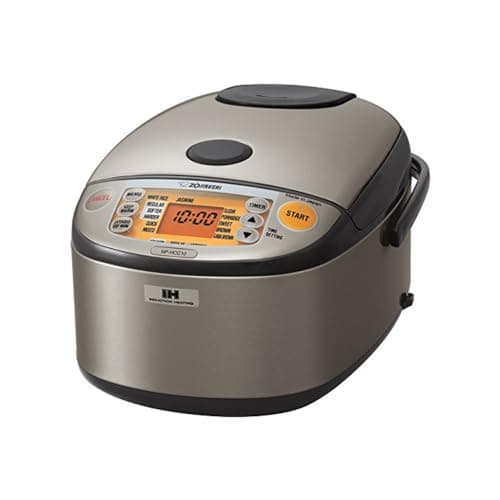
Zojirushi vs Zojirushi
$416 vs $238
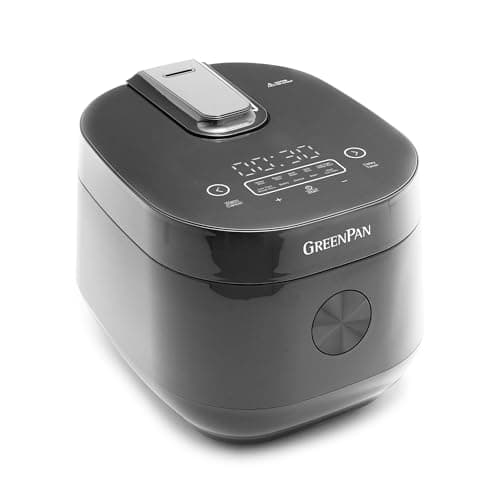
GreenPan vs TOSHIBA
$150 vs $200
CUCKOO vs TOSHIBA
$243 vs $200
TOSHIBA vs Zojirushi
$200 vs $263
TOSHIBA vs Zojirushi
$200 vs $219
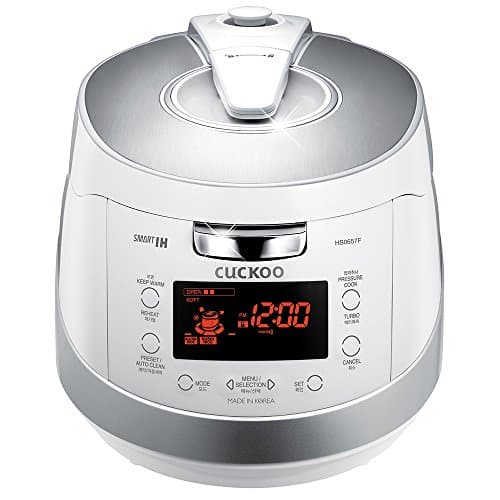
CUCKOO vs TOSHIBA
$193 vs $200
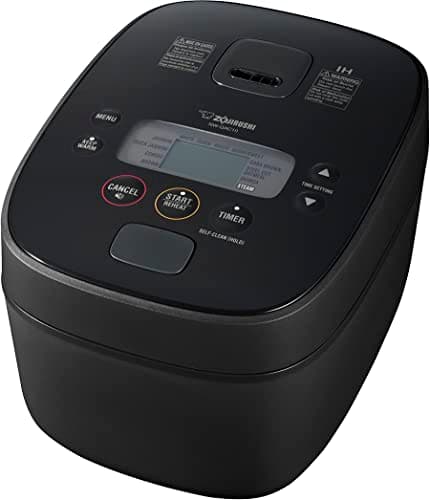
Zojirushi vs Zojirushi
$238 vs $337
Explore Other Categories
Popular comparisons across the site
Ask AI
Get instant answers about specs
Get the Deets
Ask our AI assistant
Ask Deets anything!