Our Verdict
EF ECOFLOW Portable Power Station DELTA 3 Max Wins
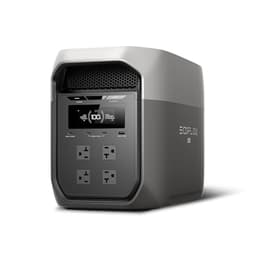
It offers a significantly higher AC output of 3400W compared to the Jackery Explorer 2000 v2's 2200W, all at a more affordable price of $799 versus $899. Both units share excellent LiFePO4 battery chemistry and nearly identical 2048Wh capacities, but the DELTA 3 Max provides superior power delivery for demanding appliances. The Jackery Explorer 2000 v2 is the better pick if portability at 39.5 lbs is a slightly higher priority and its 2200W output is sufficient for your needs, offsetting its higher cost.
Bottom Line: EF ECOFLOW Portable Power Station DELTA 3 Max is the better choice. It offers a significantly higher AC output of 3400W compared to the Jackery Explorer 2000 v2's 2200W, all at a more affordable price of $799 versus $899.
In-Depth Analysis
How they compare in practice
The EF ECOFLOW DELTA 3 Max and Jackery Explorer 2000 v2 are closely matched in their core utility as LiFePO4 portable power stations, each boasting approximately 2042-2048Wh of capacity for reliable, long-lasting power. However, their real-world applications diverge primarily based on power output and charging characteristics, influencing their ideal user base and value proposition. The most striking difference lies in AC output. The EF ECOFLOW DELTA 3 Max delivers a robust 3400W via its X-Boost technology, significantly surpassing the Jackery Explorer 2000 v2's 2200W output. This 1200W delta means the DELTA 3 Max can confidently run more power-hungry appliances simultaneously, such as a microwave or power tools, making it a superior choice for robust home backup or demanding off-grid work. An RV owner might find the DELTA 3 Max more capable of powering their entire setup without constant load management. Charging speed also presents an important distinction. The EF ECOFLOW boasts a remarkable 0-80% charge in just 1.13 hours, ideal for rapid re-deployment. While the Jackery highlights an 80% charge in 66 minutes, its full silent charge is listed at 5 hours, suggesting a less aggressive profile for full capacity. The DELTA 3 Max also includes a 10ms transfer time for UPS functionality, a critical feature for protecting sensitive electronics during power interruptions, a spec not explicitly highlighted by Jackery. In terms of value, the DELTA 3 Max stands out at $799, undercutting the Jackery's $899 price point by $100 while offering substantially more AC power. This makes the EF ECOFLOW a more cost-effective option for users prioritizing raw power and fast recovery. The Jackery, at 39.5 lbs, might feel marginally more portable than the EF ECOFLOW (weight unlisted for EcoFlow but often higher for more powerful units), and its inclusion of a 100W USB-C PD port is convenient. Ultimately, those needing peak power and rapid recharging will find the EF ECOFLOW to be the more capable and financially appealing choice, while the Jackery caters to users whose needs fit its 2200W limit and appreciate its brand reputation.
Key Differences
The most significant spec differences at a glance
Battery Capacity
0% moreAC Output
55% moreCharge Time
34% lessAdvantages
Where each product wins

EF ECOFLOW
- Battery Capacity: 0% higher (2048 vs 2042.0)
- AC Output: 55% higher (3400 vs 2200.0)
- Charge Time: 34% lower (1.13 vs 1.7)
Which to Pick for Your Situation
Concrete scenarios with a clear recommendation
For robust home backup during power outages
EF ECOFLOWThe EF ECOFLOW DELTA 3 Max's 3400W AC output can power a wider range of essential appliances simultaneously compared to the Jackery's 2200W.
For RV camping and off-grid adventures with high-draw appliances
EF ECOFLOWWith 3400W peak output, the DELTA 3 Max is better equipped to handle power-hungry items like air conditioners or induction cooktops commonly found in RVs.
For users on a tighter budget seeking maximum power
EF ECOFLOWPriced at $799, the EF ECOFLOW offers superior 3400W output and similar 2048Wh capacity for $100 less than the Jackery.
For portability-conscious users who need moderate power
JackeryThe Jackery Explorer 2000 v2 is specified at 39.5 lbs, which may offer better portability if the EF ECOFLOW is heavier (weight not listed) and its 2200W output suffices.
Who Should Buy Which?
Find the right product for your needs

Buy EF ECOFLOW if...
EF ECOFLOW Portable Power
The ideal buyer for the EF ECOFLOW DELTA 3 Max is someone who prioritizes raw power output, rapid recharging capabilities, and cost-effectiveness for their portable energy needs. This includes homeowners preparing for extended power outages, RV enthusiasts running multiple appliances simultaneously, or professionals requiring reliable power for heavy-duty tools at remote job sites. Their needs often exceed standard domestic usage, demanding a power station capable of handling large loads without compromise. The DELTA 3 Max's standout 3400W AC output, significantly higher than competitors, ensures they can confidently power essentials like refrigerators, microwaves, and even portable air conditioners, making it a robust home backup solution. The impressive 0-80% charge time of just 1.13 hours is crucial for quick turnarounds, allowing them to replenish power rapidly after an outage or between demanding uses. Furthermore, the $799 price point offers exceptional value, providing superior power delivery for less money while matching the Jackery's 2048Wh LiFePO4 capacity. They are willing to accept that while portability is decent for its class, their primary concern is maximum power utility, not necessarily the absolute lightest unit. They don't need the Jackery's explicit emphasis on a 100W USB-C PD port if their other charging methods are covered by the more powerful AC outlets.

Buy Jackery if...
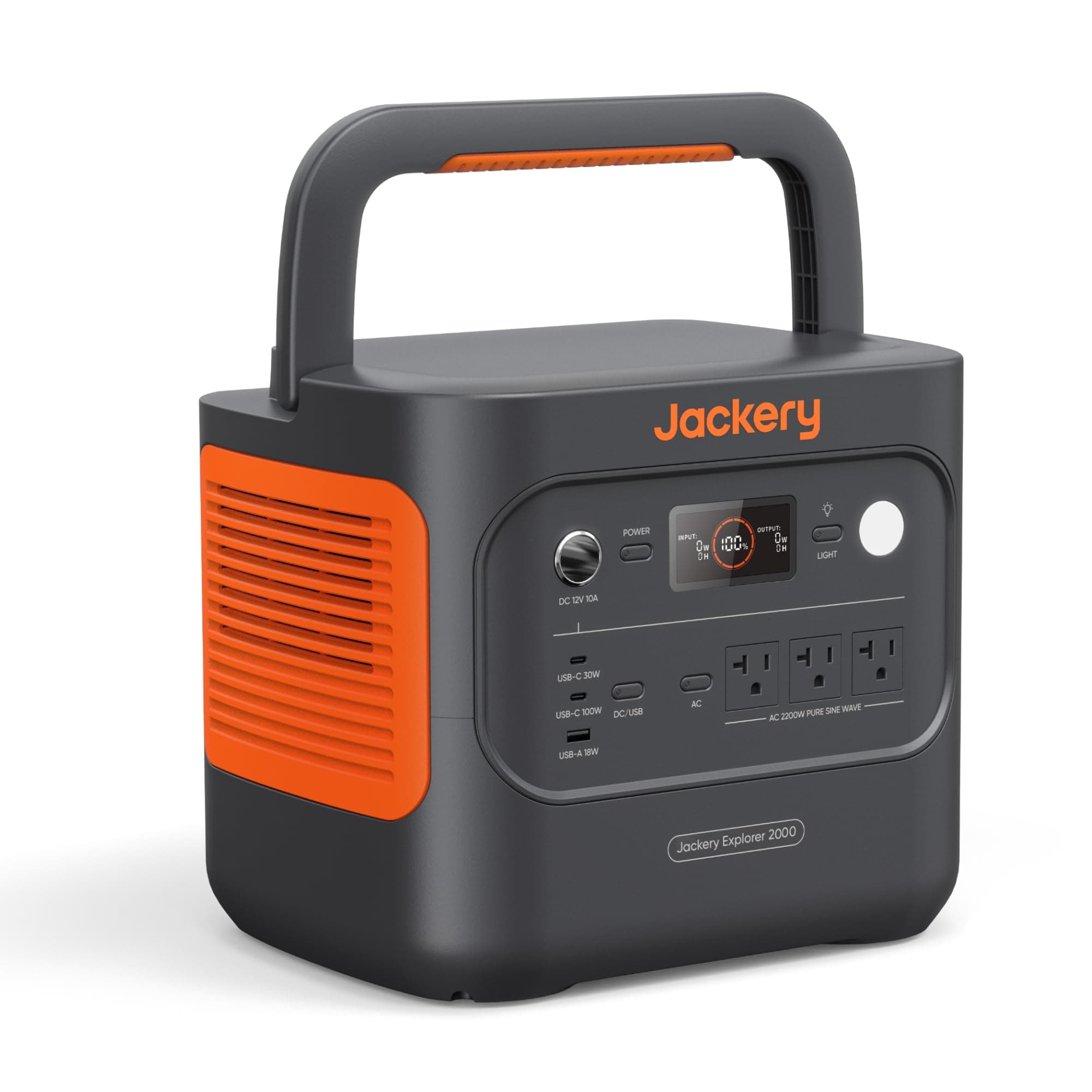
Jackery Explorer 2000 v2
The Jackery Explorer 2000 v2 is best suited for buyers who value a blend of reliable power, brand reputation, and potentially greater portability, even if it means a slightly higher price point and lower peak output. This user might be a frequent camper, an individual seeking dependable emergency backup for essential home items, or someone needing a robust power source for outdoor events where 2200W is ample. Their priorities lean towards a well-established product known for its user-friendliness and solid build quality. The 2042Wh LiFePO4 battery capacity is a major draw, offering a decade of daily use, ensuring their investment lasts. While its 2200W AC output is lower than the EcoFlow, it's still sufficient for powering most standard household appliances, power tools, or camping gear without issues. The listed weight of 39.5 lbs is a clear advantage for those who need to frequently move their power station, making it a more portable option for car camping or transporting to different areas of the home during an outage. They appreciate the convenience of a 100W USB-C PD port for fast-charging modern devices. This buyer is content with the 2200W output, not needing the extra headroom provided by the EcoFlow, and is willing to pay the $899 price for the Jackery ecosystem and its emphasis on balanced performance.
Spec Comparison
10 specs compared
| Specification |  |  |
|---|---|---|
| Price | $799 | $799 |
| Rating | 4.6(386) | 4.7(837) |
| Capacity Wh | 2048W | 2042W |
| Chemistry | LiFePO4 | LiFePO4 |
| AC Output Watts | 3400W | 2200W |
| Model Number | EF-DL-H02-3M | — |
| Charge Time Hours | 1.13 hrs | 1.7 hrs |
| Peak Output Watts | 3400W | — |
| AC Outlets | — | 3 |
| Weight | — | 39.5 lbs |
| USB C Ports | — | 1 |
| Solar Input Watts | — | 400W |
Swipe horizontally to see all columns
Pros & Cons
Quick overview of strengths and weaknesses
EF ECOFLOW Portable Power
- Charges 0-80% in 1.13 hours.
- 3400W output powers high-demand appliances.
- 10ms transfer time protects sensitive electronics.
- LiFePO4 battery offers 10 years of daily use.
- Solar charging requires separate panel purchase.
- 2048Wh capacity may not suffice for extended backup.
- Product weight can limit portability for some users.
Jackery Jackery Explorer
- 2042Wh capacity for extended power needs.
- 2200W AC output powers multiple devices.
- 80% charge in 66 minutes via AC input.
- LiFePO4 battery offers 10-year lifespan.
- Solar panels sold separately.
- Only one 100W USB-C PD port available.
- Full silent charge takes 5 hours.
Frequently Asked Questions
Common questions about this comparison
Which power station offers higher AC output?
The EF ECOFLOW DELTA 3 Max delivers a powerful 3400W output, significantly higher than the Jackery Explorer 2000 v2's 2200W AC output, allowing it to run more demanding appliances.
Are both products suitable for long-term use?
Yes, both units utilize LiFePO4 battery chemistry, known for offering an excellent 10-year lifespan of daily use, ensuring durability and reliability over time.
How fast do these power stations charge?
The EF ECOFLOW DELTA 3 Max charges 0-80% in an ultra-fast 1.13 hours. The Jackery Explorer 2000 v2 can reach 80% charge in 66 minutes via AC input, but a full silent charge takes 5 hours.
What is the capacity of these power stations?
The EF ECOFLOW DELTA 3 Max has a 2048Wh capacity, while the Jackery Explorer 2000 v2 offers a very similar 2042Wh, providing substantial power reserves for various applications.
Does either power station offer UPS functionality?
The EF ECOFLOW DELTA 3 Max features a 10ms transfer time, providing an Uninterruptible Power Supply (UPS) function to protect sensitive electronics during power outages.
Which product is more affordable?
The EF ECOFLOW DELTA 3 Max is priced at $799, making it $100 more affordable than the Jackery Explorer 2000 v2, which costs $899.
Related Comparisons
Similar products people compare
Anker vs Jackery
$1000 vs $799
EF ECOFLOW vs Jackery
$2399 vs $799
BLUETTI vs EF ECOFLOW
$799 vs $799
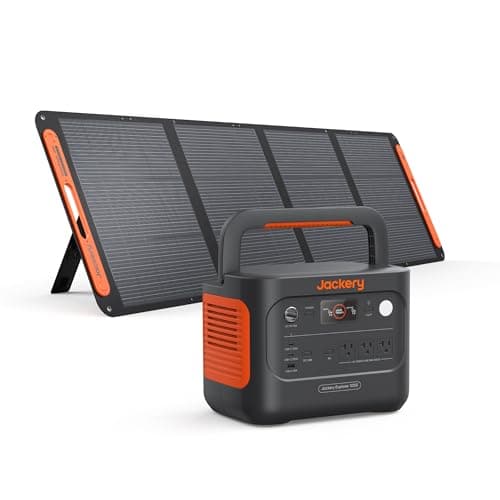
EF ECOFLOW vs Jackery
$799 vs $869
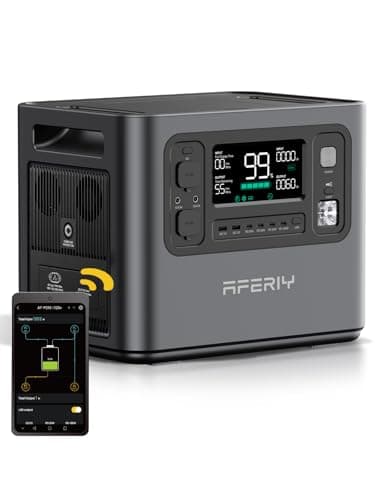
AFERIY vs Jackery
$569 vs $799
AFERIY vs EF ECOFLOW
$569 vs $799
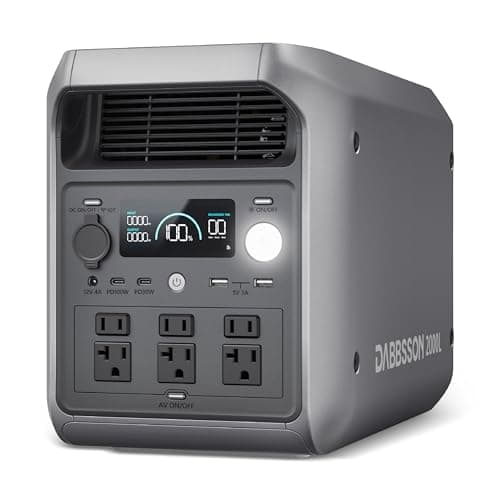
Dabbsson vs EF ECOFLOW
$649 vs $799
Anker vs EF ECOFLOW
$1000 vs $799
BLUETTI vs Jackery
$799 vs $799
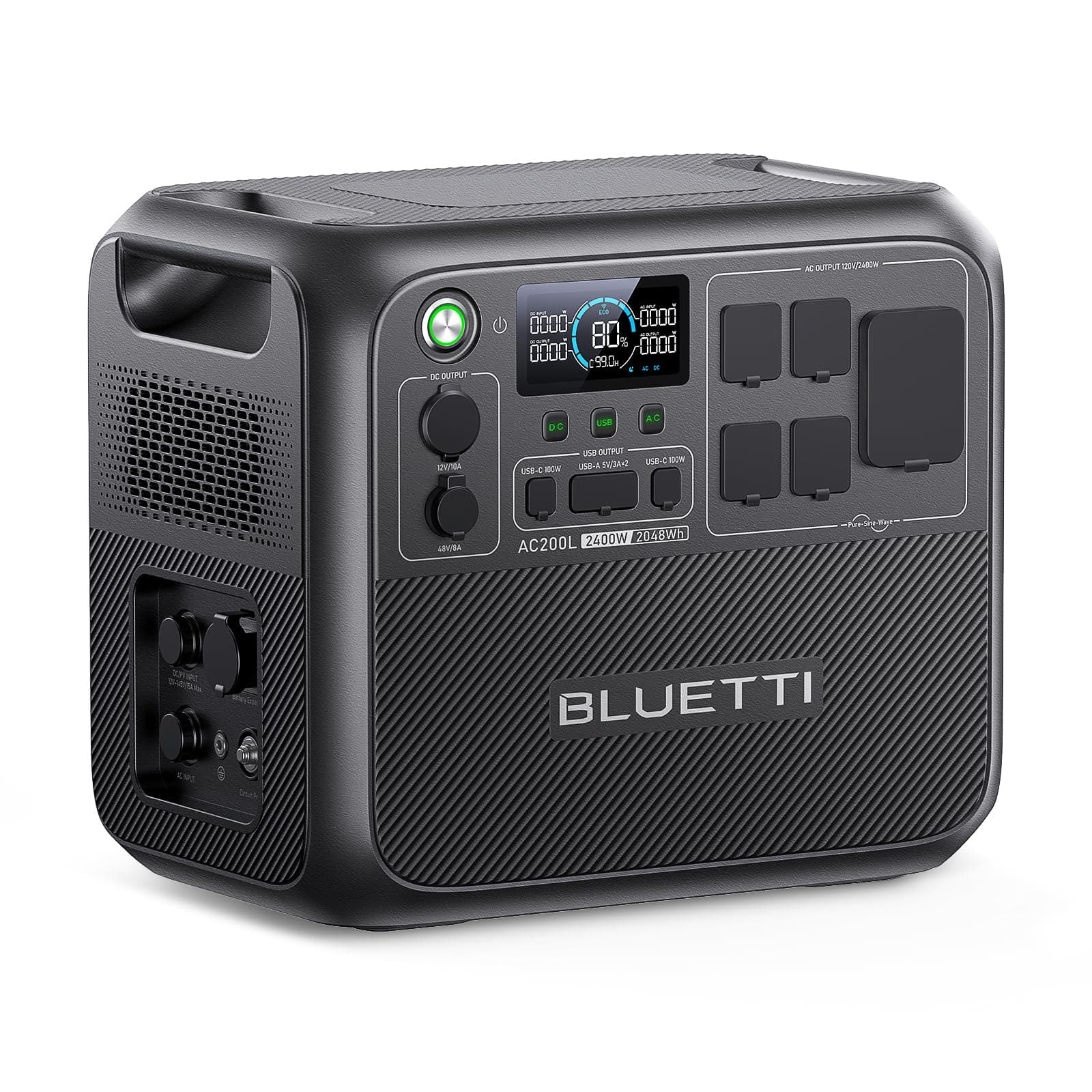
BLUETTI vs EF ECOFLOW
$699 vs $799
Jackery vs Jackery
$799 vs $869
Dabbsson vs Jackery
$649 vs $799
BLUETTI vs Jackery
$699 vs $799
Explore Other Categories
Popular comparisons across the site
Ask AI
Get instant answers about specs
Get the Deets
Ask our AI assistant
Ask Deets anything!