Our Verdict
Tie Wins
Both portable power stations offer identical 288Wh LiFePO4 battery capacity and 600W AC output, adhering to the same robust chemistry and power delivery for exceptional longevity. Product A charges slightly faster at 2.0 hours compared to Product B's 2.2 hours and is marginally lighter at 8.3 lbs.
Bottom Line: Tie is the better choice. Both portable power stations offer identical 288Wh LiFePO4 battery capacity and 600W AC output, adhering to the same robust chemistry and power delivery for exceptional longevity.
In-Depth Analysis
How they compare in practice
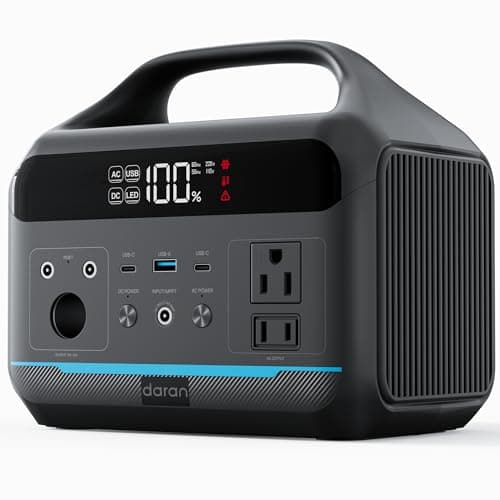
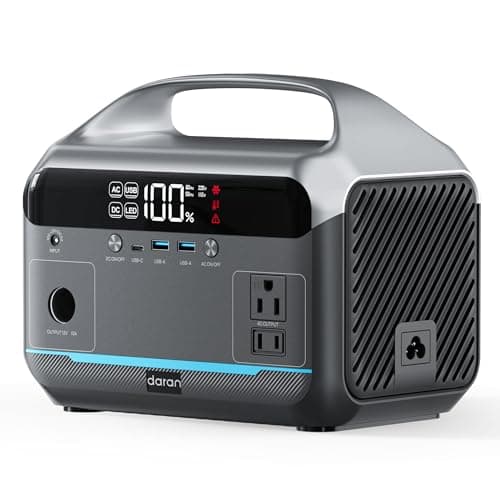
At first glance, the Daran DARAN Portable Power Station 600W (Product A) and the DaranEner Portable Power Station 600W (Product B) appear nearly identical, both boasting a 288Wh LiFePO4 battery capacity and a robust 600W AC output with 1200W peak surge. This shared foundation means both units deliver excellent power for their size and benefit from the longevity of LiFePO4 chemistry, rated for 3500+ charge cycles. In real-world use, this translates to consistent performance and durability, ensuring either station will reliably power a range of devices from small appliances to essential electronics during outages or outdoor adventures. The subtle differences, however, cater to distinct user priorities. Product A distinguishes itself with a slightly faster AC recharge time, hitting 80% in just 2.0 hours compared to Product B's 2.2 hours, offering a minor convenience for users in a hurry. It's also marginally lighter at 8.3 lbs, making it the slightly easier grab-and-go option for those prioritizing minimal carry weight. Crucially, Product B explicitly highlights pure sine wave output, a critical feature for sensitive electronics like laptops, CPAP machines, or medical devices. This ensures a cleaner, more stable power delivery, mitigating risks of damage or malfunction that can occur with modified sine wave outputs, which Product A implicitly might offer by not specifying pure sine wave. The trade-off is its AC output disabling at 10% battery, a practical limitation to consider when managing power until the last drop. Both products share the inconvenience of not including car charging cables or solar panels, requiring additional purchases for full versatility. Ultimately, the choice hinges on the user's specific power needs. For general camping, charging phones, lights, or basic tools where maximum power purity isn't paramount, Product A provides excellent capacity and longevity at a slightly better price and faster charge time. Conversely, Product B is designed for the discerning user who values protecting their valuable and sensitive electronics, offering that peace of mind despite a minuscule increase in cost and weight.
Key Differences
The most significant spec differences at a glance
Charge Time
9% lessWeight
6% lessAdvantages
Where each product wins

Daran
- Charge Time: 9% lower (2.0 vs 2.2)
- Weight: 6% lower (8.3 vs 8.86)
Which to Pick for Your Situation
Concrete scenarios with a clear recommendation
For powering sensitive home or medical devices
DaranEnerProduct B explicitly offers pure sine wave output, which is crucial for protecting delicate electronics from damage and ensuring stable operation.
Prioritizing minimal carry weight for hiking or travel
DaranAt 8.3 lbs, Product A is marginally lighter than Product B's 8.86 lbs, making it the more comfortable choice for extended treks where every ounce matters.
Who Should Buy Which?
Find the right product for your needs

Buy Daran if...
Portable Power Station 600W
The ideal buyer for the Daran DARAN Portable Power Station 600W is the pragmatic consumer who prioritizes core functionality, durability, and a competitive price point. They might be an occasional weekend camper, a diligent DIYer needing power for tools in remote areas, or someone looking for an emergency backup power source for essential non-sensitive home devices during short outages. Their needs revolve around reliable power for items like lights, phone chargers, portable fans, or small power tools that don't demand a pure sine wave. The 288Wh LiFePO4 battery chemistry, rated for 3500+ charge cycles, provides outstanding long-term value, ensuring years of consistent use without significant capacity loss. Its fast 2.0-hour AC recharge time is a key convenience for quick turnarounds between uses. They are willing to overlook the lack of included charging cables or the absence of explicit pure sine wave output, as their primary devices are not sensitive to power waveform variations. The lighter 8.3 lb weight also appeals to those seeking maximum portability.

Buy DaranEner if...
Portable Power Station 600W
The DaranEner Portable Power Station 600W caters specifically to users who cannot compromise on power quality, making it ideal for those with sensitive and valuable electronics. This includes remote workers powering laptops and monitors, individuals relying on medical equipment like CPAP machines while camping, or photographers needing a stable power source for their delicate camera gear in the field. Their primary concern is protecting their devices from potential damage caused by inconsistent power, for which Product B's explicit pure sine wave output is a crucial feature. With a 288Wh LiFePO4 battery offering 3500+ cycle life, they also gain long-term reliability. The 600W AC output is robust enough for most demands, and the 100W solar input capacity is a notable advantage for extending runtime off-grid. While it recharges in 2.2 hours and is slightly heavier at 8.86 lbs, these minor trade-offs are negligible compared to the critical benefit of pure sine wave power for their essential and sensitive equipment.
Spec Comparison
13 specs compared
| Specification |  |  |
|---|---|---|
| Rating | 4.3(110) | 4.4(368) |
| Capacity Wh | 288W | 288W |
| Chemistry | LiFePO4 | LiFePO4 |
| AC Output Watts | 600W | 600W |
| Dc Ports | 1 | 1 |
| AC Outlets | 2 | 2 |
| Cycle Life | 3500 | 3500 |
| Weight | 8.3 lbs | 8.86 lbs |
| USB A Ports | 2 | 2 |
| USB C Ports | 1 | 1 |
| Model Number | NEO | NEO |
| Charge Time Hours | 2 hrs | 2.2 hrs |
| Peak Output Watts | 1200W | 1200W |
| Solar Input Watts | — | 100W |
Swipe horizontally to see all columns
Pros & Cons
Quick overview of strengths and weaknesses
Daran Portable Power Station 600W
- 600W AC output handles common appliances
- 288Wh capacity for portable power needs
- Recharges 80% in 2 hours via AC
- LiFePO4 battery offers 3500+ charge cycles
- Car charging cable not included
- Solar panel not included
- AC output disables at 10% battery level
- 288Wh capacity limits sustained heavy loads
DaranEner Portable Power Station 600W
- Pure sine wave output protects sensitive electronics.
- LiFePO4 battery rated for 3500+ charge cycles.
- AC wall charging to full takes 2.2 hours.
- Provides 600W stable AC output power.
- 288Wh capacity limits run time for high-drain devices.
- Solar panel and charging cables sold separately.
- Only two AC outlets restrict simultaneous appliance use.
Frequently Asked Questions
Common questions about this comparison
What is the battery type and expected lifespan of these power stations?
Both units utilize LiFePO4 battery chemistry, known for its longevity. They are rated for an impressive 3500+ charge cycles, ensuring many years of reliable use before significant degradation.
How quickly can these power stations be recharged?
Product A recharges to 80% in approximately 2.0 hours via AC wall outlet. Product B takes a slightly longer 2.2 hours for a full AC charge, making both fairly quick for their capacity.
Can these portable power stations run sensitive electronics like laptops or CPAP machines?
Product B explicitly offers pure sine wave output, making it ideal for sensitive devices to prevent damage. Product A does not specify this, so Product B is generally safer for such applications.
What is the maximum power output these stations can deliver?
Both portable power stations provide a continuous 600W AC output, with a peak surge capability of 1200W. This allows them to handle most common small appliances and tools.
Do these power stations include solar charging capabilities or panels?
Both models are "Solar Optional," meaning they can be charged via solar panels, but the panels and necessary cables are sold separately and are not included in the purchase. Product B notes 100W solar input.
Related Comparisons
Similar products people compare
Explore Other Categories
Popular comparisons across the site






Ask AI
Get instant answers about specs
Get the Deets
Ask our AI assistant
Ask Deets anything!