Our Verdict
Anker Anker 535 Wins
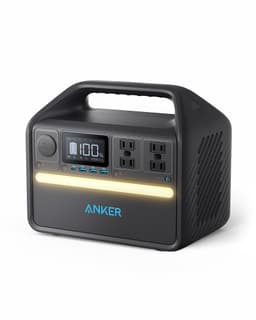
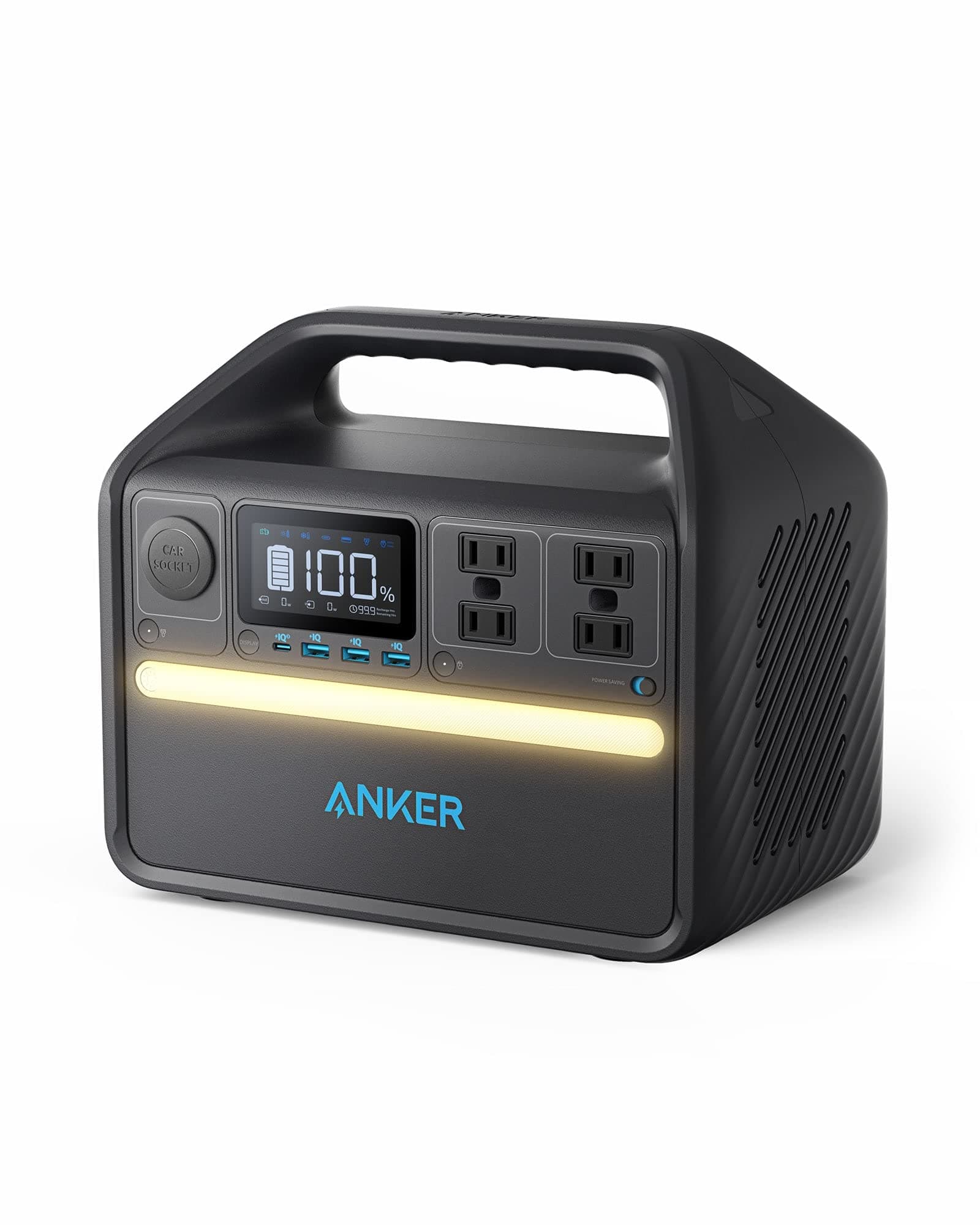
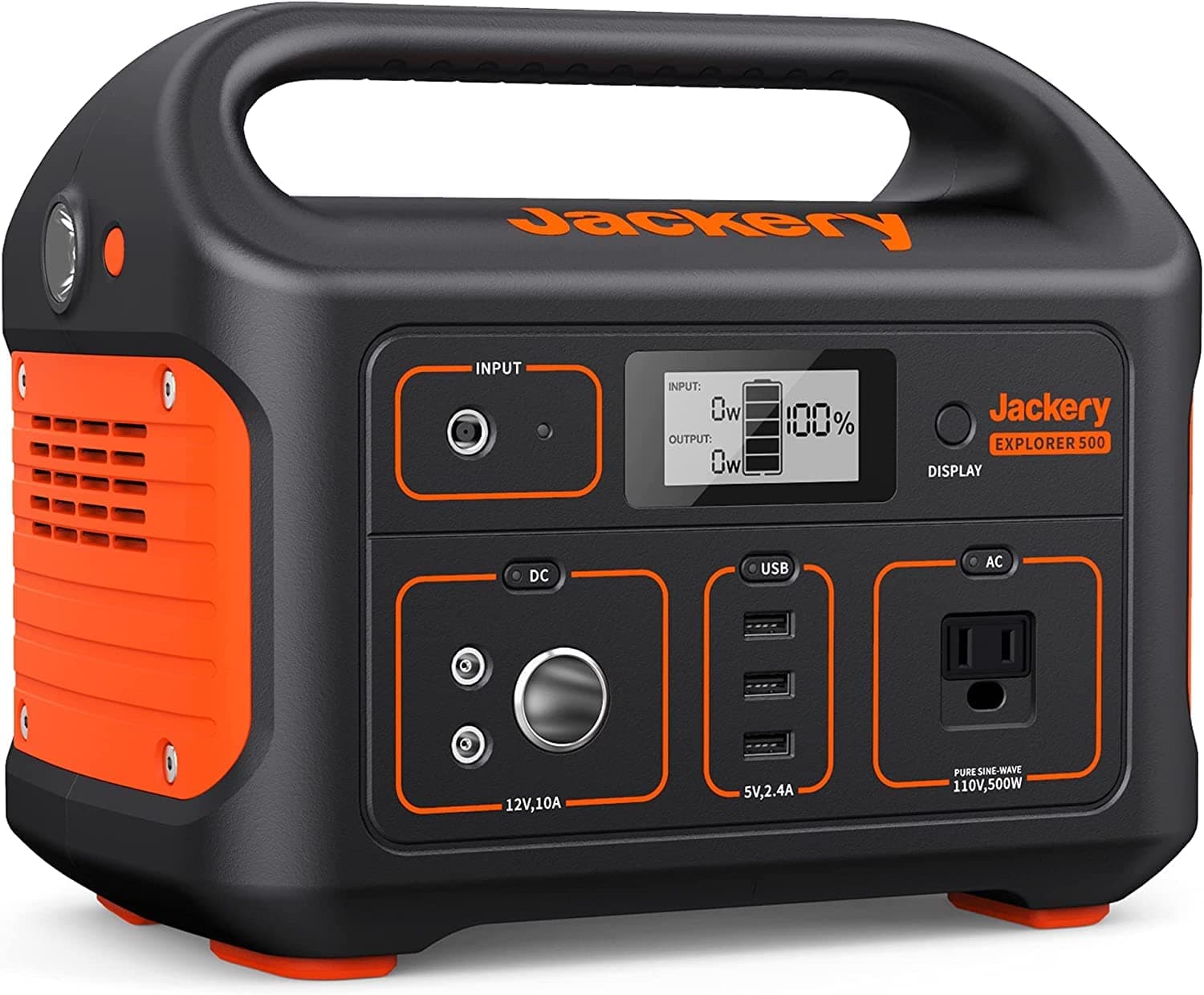
It offers superior LiFePO4 battery chemistry for significantly longer lifespan and enhanced safety, alongside four AC outlets and a 60W USB-C PD port, providing more versatile and modern connectivity for just $1 more. The Anker's 512Wh capacity is comparable to Jackery's 518Wh, and both offer 500W continuous AC output. The Jackery Explorer 500 is the better pick for those prioritizing a slightly lighter build at 13.3 lbs and a higher peak output of 1000W to handle brief power surges.
Bottom Line: Anker Anker 535 is the better choice. It offers superior LiFePO4 battery chemistry for significantly longer lifespan and enhanced safety, alongside four AC outlets and a 60W USB-C PD port, providing more versatile and modern connectivity for just $1 more.
In-Depth Analysis
How they compare in practice
The Anker 535 and Jackery Explorer 500 are closely matched in their primary function, both delivering around 500Wh of portable power and 500W of continuous AC output. However, their internal chemistry and external port configurations create distinct user experiences. The most significant differentiator is the battery type: the Anker 535 utilizes a LiFePO4 battery, a chemistry renowned for its exceptional longevity, typically offering 3,000+ charge cycles to 80% capacity. In contrast, the Jackery Explorer 500 employs a standard Li-ion battery, which usually provides 500-800 cycles. This means the Anker unit is built to last significantly longer, making it a better long-term investment and potentially safer over extended use.
From a connectivity standpoint, the Anker 535 pulls ahead for modern users. It features four AC outlets, allowing multiple appliances to be powered simultaneously, a distinct advantage over the Jackery's single AC outlet. Crucially, the Anker also includes a 60W USB-C Power Delivery port, essential for fast-charging laptops, smartphones, and other contemporary devices. The Jackery, while offering three USB-A ports and two DC ports, lacks any USB-C PD output, limiting its utility for newer gadgets and fast charging needs.
Both units provide 500W continuous AC power, sufficient for most common electronics like mini-fridges, laptops, or small tools. However, the Jackery Explorer 500 boasts a higher peak output of 1000W compared to the Anker's 750W. This could be a minor advantage for running inductive loads with high start-up surges, though the 500W continuous limit remains the primary constraint for both. The Jackery is also slightly lighter at 13.3 lbs, which might appeal to those who prioritize minimal weight for frequent, light travel. Ultimately, for overall value, longevity, and modern charging capabilities, the Anker 535 presents a more compelling package despite its marginally higher price.
Key Differences
The most significant spec differences at a glance
Battery Capacity
1% lessAC Outlets
300% morePeak Output
25% lessAdvantages
Where each product wins

Anker
- AC Outlets: 300% higher (4 vs 1)

Jackery
- Battery Capacity: 1% higher (512 vs 518)
- Peak Output: 25% higher (750 vs 1000)
Which to Pick for Your Situation
Concrete scenarios with a clear recommendation
For a long-term investment in portable power
AnkerThe Anker 535's LiFePO4 battery offers 3000+ charge cycles, significantly extending its lifespan compared to Li-ion alternatives.
For powering multiple AC appliances simultaneously
AnkerWith four AC outlets, the Anker 535 provides superior versatility for connecting several devices at once, unlike the Jackery's single AC outlet.
For fast-charging modern laptops and phones
AnkerThe Anker 535 includes a 60W USB-C PD port, offering fast and efficient charging for contemporary devices that the Jackery lacks.
For maximum portability where every pound counts
JackeryThe Jackery Explorer 500 weighs 13.3 lbs, making it a slightly lighter option for easier transport compared to the Anker (weight not specified, but LiFePO4 batteries are typically heavier).
Who Should Buy Which?
Find the right product for your needs
Buy Anker if...
Anker 535 Portable Power
The Anker Anker 535 is the ideal choice for a user who views their portable power station as a long-term investment and prioritizes durability, safety, and modern connectivity. This buyer values the robust LiFePO4 battery chemistry, which promises over 3000 charge cycles, ensuring the unit remains reliable for many years of camping trips, RV adventures, or home backup. They likely need to power multiple AC devices simultaneously, making the Anker's four AC outlets a significant advantage. Furthermore, they are tech-savvy, owning devices like laptops, tablets, or modern smartphones that benefit immensely from the 60W USB-C Power Delivery port for rapid charging. They are willing to pay a marginally higher price for these advanced features and the peace of mind that comes with superior battery technology. They might forgo a slightly lighter unit or a higher peak output for the substantial benefits of longevity and versatile modern port options.

Buy Jackery if...
Jackery Portable Power Station
The Jackery Explorer 500 is best suited for individuals who prioritize portability, traditional charging options, and a slightly lower upfront cost. This buyer might frequently move their power station, appreciating its 13.3 lbs weight for easier transport to campsites or job sites. Their existing electronic ecosystem likely consists of devices primarily using USB-A ports or requiring specific DC outputs, making the three USB-A ports and two DC ports on the Jackery perfectly adequate. While they acknowledge the long-term benefits of LiFePO4, their budget or specific use case doesn't necessitate that extreme lifespan. The 1000W peak output might also appeal to users needing brief surges for certain tools, even if the continuous output is 500W. This buyer is less concerned with fast-charging modern laptops via USB-C PD or powering more than one AC appliance at a time, preferring the simplicity and established reputation of the Jackery brand for general outdoor or emergency use.
Spec Comparison
9 specs compared
| Specification |  |  |
|---|---|---|
| Price | $300 | $299 |
| Rating | 4.6(399) | 4.6(9.8k) |
| Capacity Wh | 512W | 518W |
| Chemistry | LiFePO4 | Li-ion |
| AC Output Watts | 500W | 500W |
| AC Outlets | 4 | 1 |
| USB C Ports | 1 | — |
| Peak Output Watts | 750W | 1000W |
| Dc Ports | — | 2 |
| Weight | — | 13.3 lbs |
| USB A Ports | — | 3 |
Swipe horizontally to see all columns
Pros & Cons
Quick overview of strengths and weaknesses
Anker Anker 535
- 512Wh capacity offers substantial portable power.
- LiFePO4 battery ensures long lifespan, increased safety.
- 500W AC output handles common household electronics.
- Four AC outlets power multiple devices simultaneously.
- 500W continuous output limits demanding appliances.
- Only one 60W USB-C Power Delivery port included.
- Solar charging requires separate panel purchase.
Jackery Portable Power
- 518Wh capacity for extended device power.
- 500W continuous AC output, 1000W peak.
- Multiple outputs: 1 AC, 3 USB-A, 2 DC, 1 car.
- Supports pass-through charging function.
- Only one 110V AC outlet provided.
- Solar panel for charging is sold separately.
- Lacks modern USB-C Power Delivery ports.
- 500W AC limit may not run all heavy appliances.
Frequently Asked Questions
Common questions about this comparison
What kind of battery chemistry do these power stations use?
The Anker 535 uses a LiFePO4 (Lithium Iron Phosphate) battery, known for its longevity and safety. The Jackery Explorer 500 utilizes a standard Li-ion (Lithium-ion) battery.
How many AC outlets does each power station offer?
The Anker 535 features four standard AC outlets for powering multiple devices. In contrast, the Jackery Explorer 500 provides only one 110V/500W AC outlet.
Does either power station support USB-C Power Delivery?
Yes, the Anker 535 includes one 60W USB-C PD port, suitable for fast-charging modern laptops and smartphones. The Jackery Explorer 500 does not have a USB-C PD port, offering only USB-A outputs.
Which power station is better for long-term reliability?
The Anker 535 is superior for long-term reliability due to its LiFePO4 battery chemistry, which offers over 3000 cycles compared to the typical 500-800 cycles of the Jackery's Li-ion battery.
What are the weight differences between the two?
The Jackery Explorer 500 weighs 13.3 lbs, which makes it relatively portable. The Anker 535's weight is not specified, but LiFePO4 batteries are generally heavier than Li-ion for similar capacities.
Related Comparisons
Similar products people compare
Anker vs Anker
$300 vs $250
Jackery vs Jackery
$229 vs $299
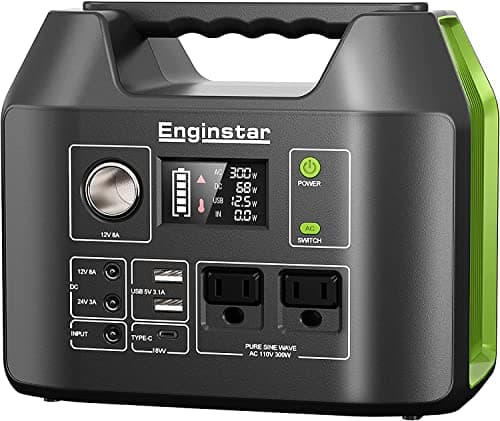
Anker vs EnginStar
$300 vs $130
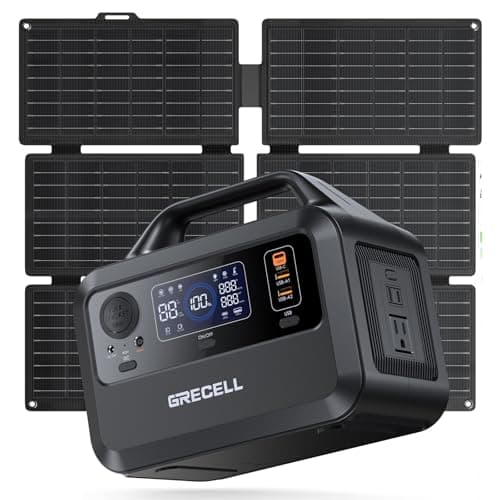
GRECELL vs Jackery
$190 vs $299
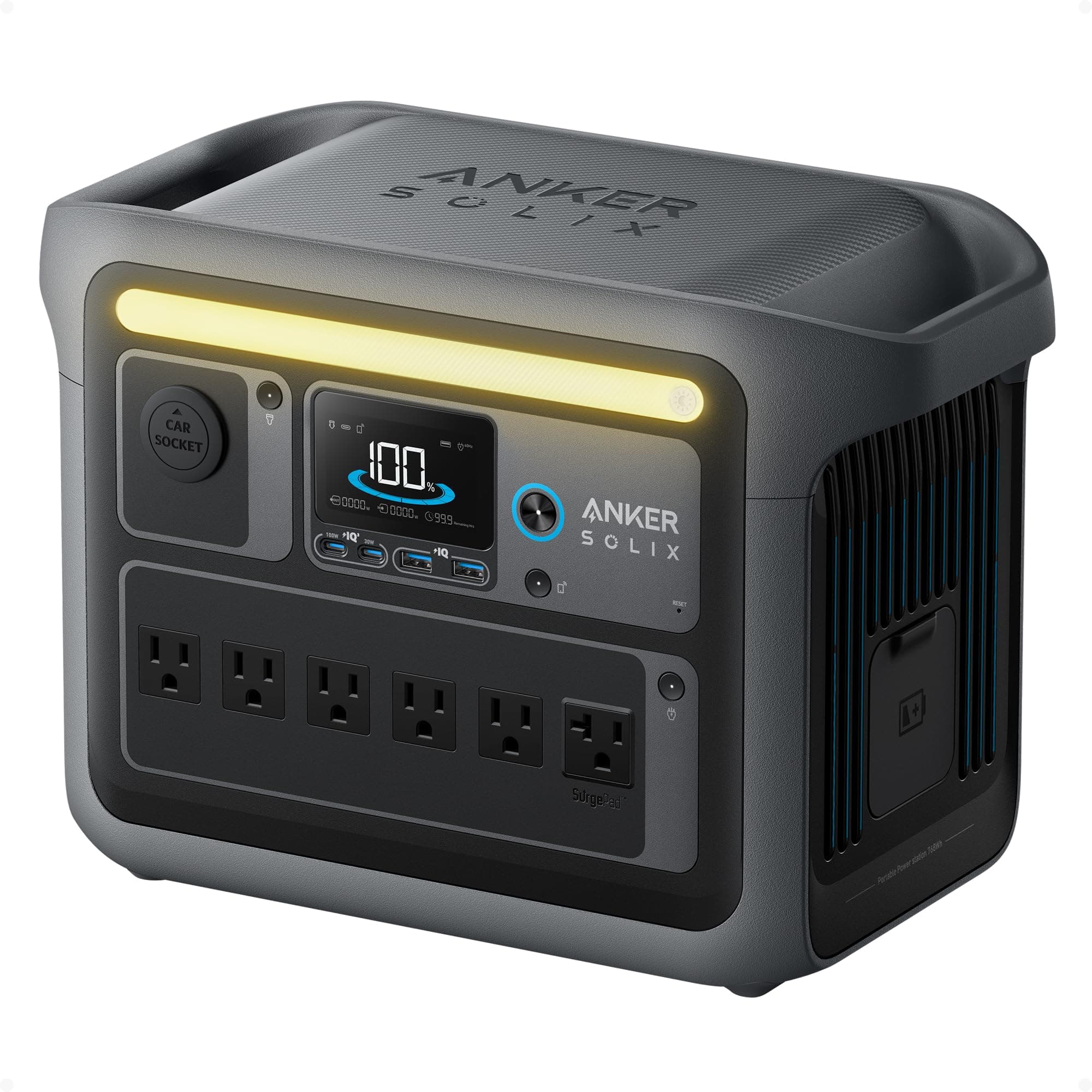
Anker vs Jackery
$430 vs $299
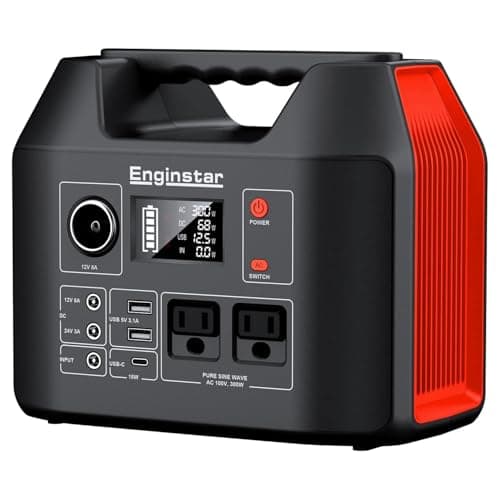
Anker vs EnginStar
$300 vs $130
Anker vs Jackery
$250 vs $299
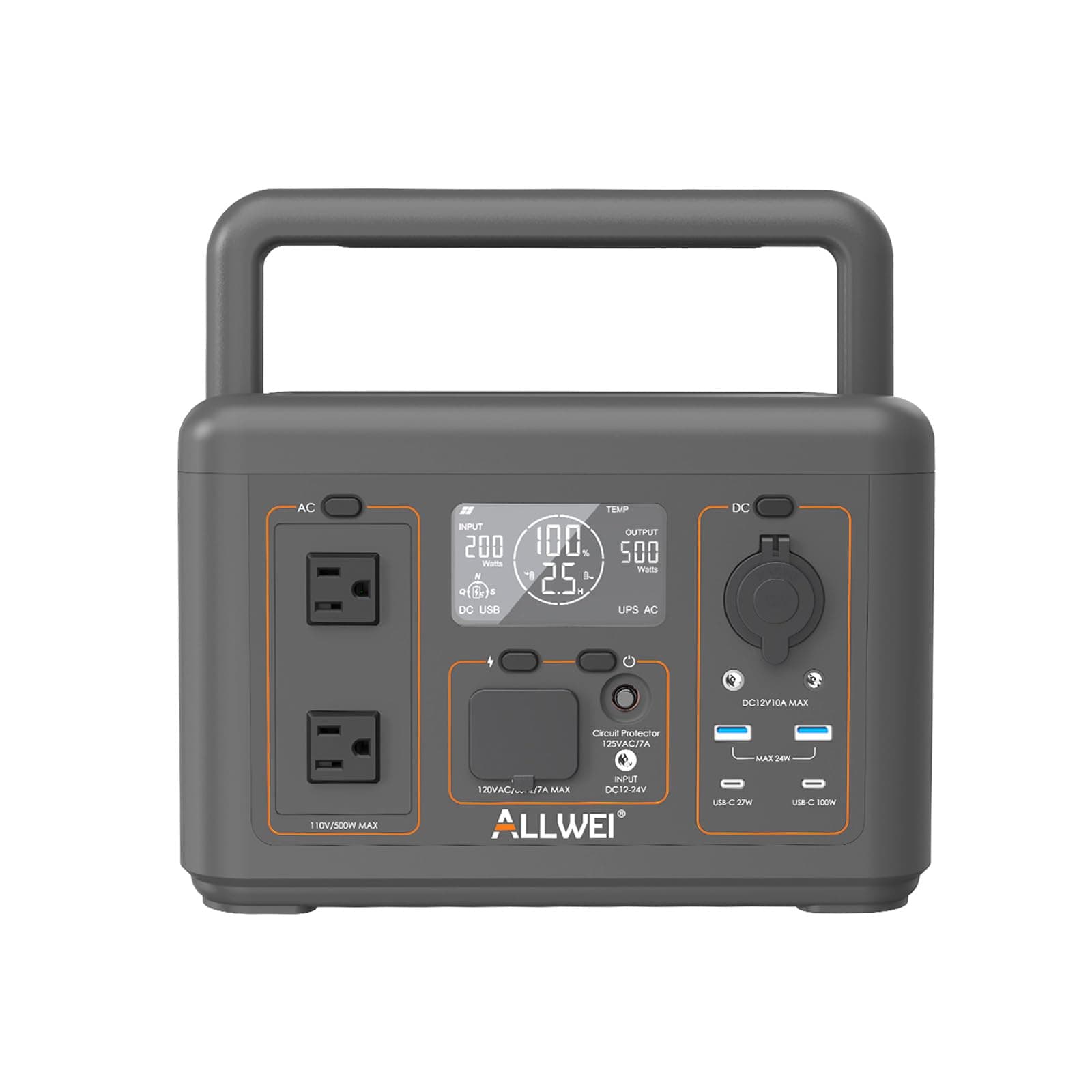
ALLWEI vs Jackery
$269 vs $299
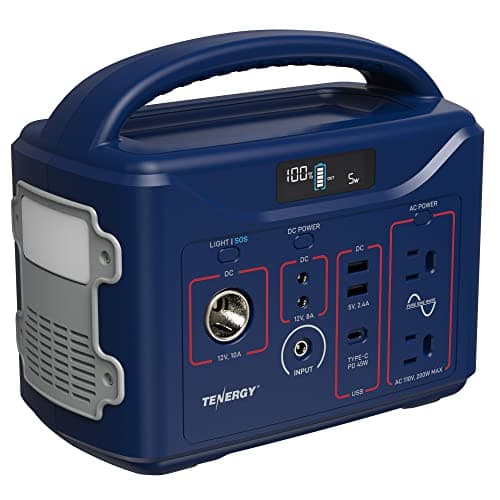
Jackery vs Tenergy
$299 vs $180
Anker vs Jackery
$300 vs $229
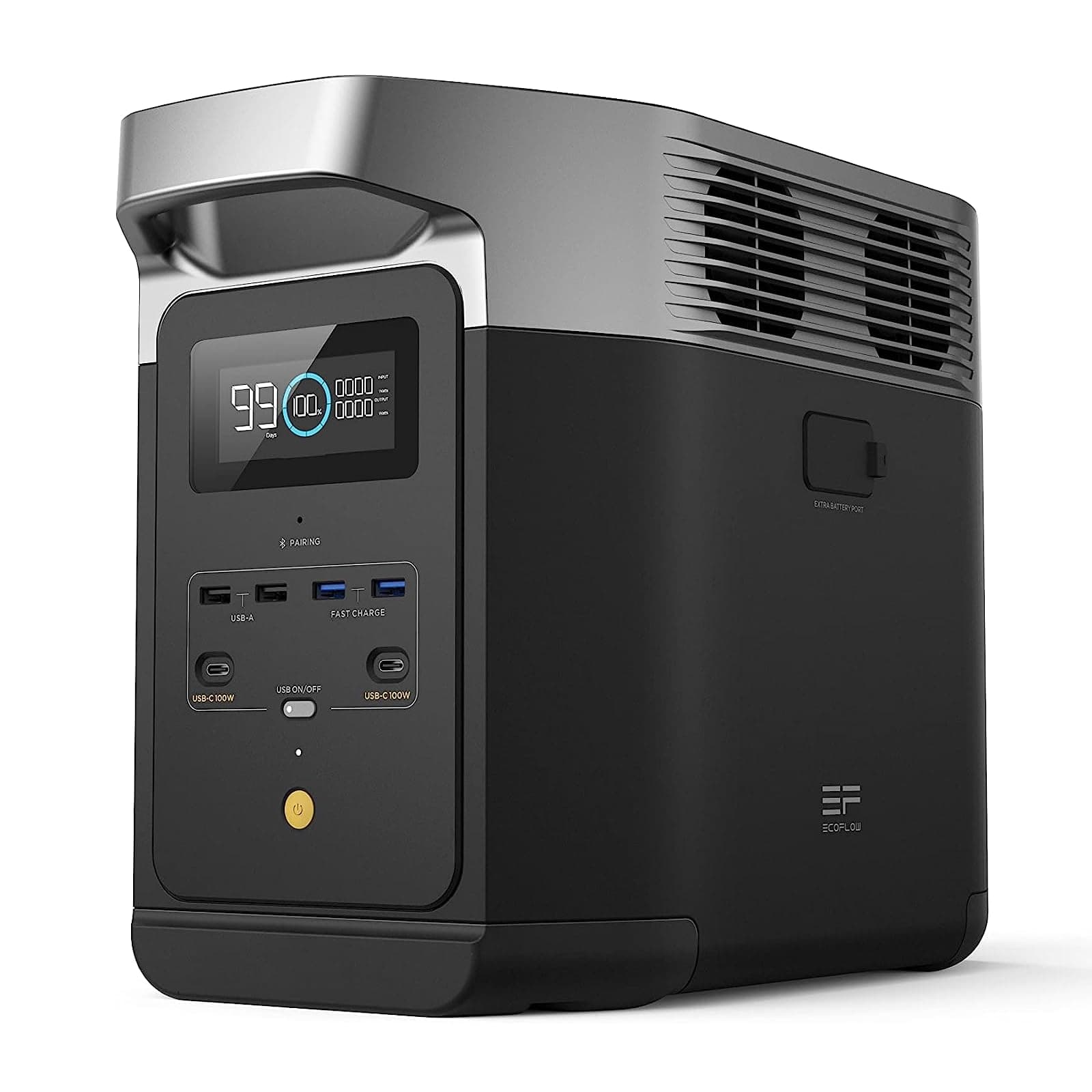
EF ECOFLOW vs Jackery
$449 vs $299
Anker vs GRECELL
$300 vs $190
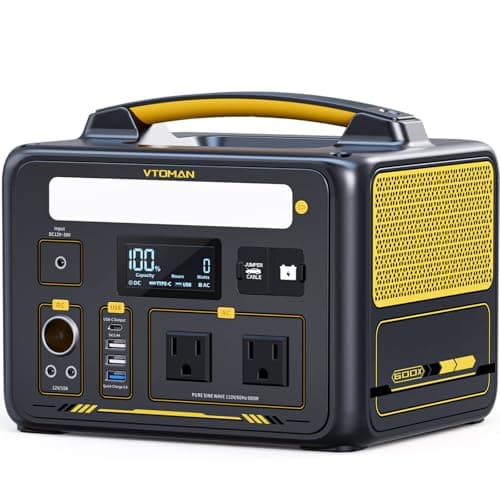
Jackery vs VTOMAN
$299 vs $240
Anker vs Tenergy
$300 vs $180
Anker vs EF ECOFLOW
$300 vs $449
Explore Other Categories
Popular comparisons across the site


Ask AI
Get instant answers about specs
Get the Deets
Ask our AI assistant
Ask Deets anything!