Our Verdict
Anker Anker 521 Wins
The Tenergy T320 is a better pick for those prioritizing pure sine wave output for extremely sensitive electronics and slightly higher raw capacity, willing to pay more for it.
Bottom Line: Anker Anker 521 is the better choice. The Tenergy T320 is a better pick for those prioritizing pure sine wave output for extremely sensitive electronics and slightly higher raw capacity, willing to pay more for it.
In-Depth Analysis
How they compare in practice
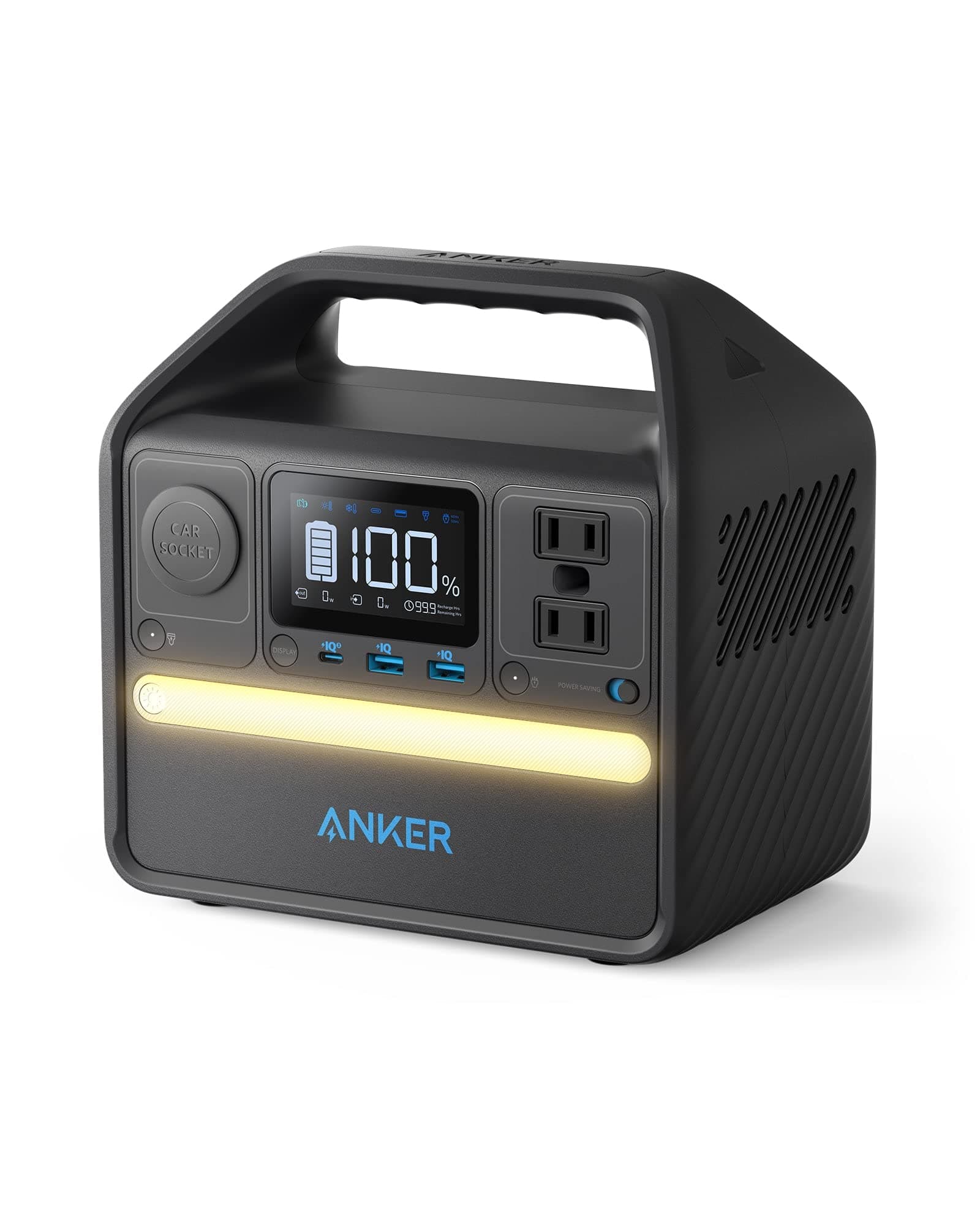
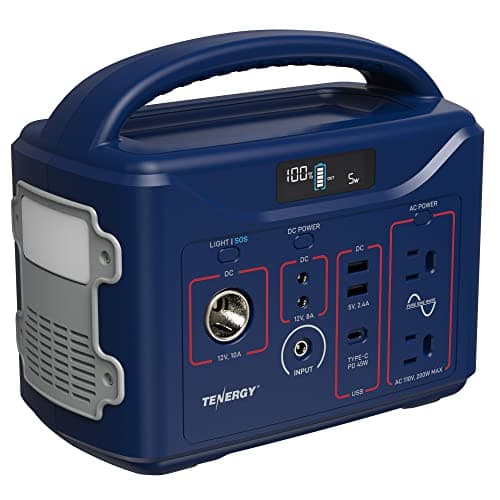
The Anker 521 and Tenergy T320 are both compact power stations, but their core differences dictate distinct ideal users and applications. The most significant divergence lies in battery chemistry and AC output. The Anker 521 boasts a LiFePO4 battery, a critical advantage that translates to a significantly longer lifespan, projected at 10 years, compared to the Tenergy T320’s standard lithium-ion, rated for 2000 cycles. In practical terms, this means the Anker unit will retain its capacity and performance for many more years, making it a better long-term investment. Beyond longevity, the Anker 521 offers a more powerful 300W continuous AC output with a 600W peak, allowing it to handle a broader range of small appliances like mini-fridges, blenders, or even some power tools that the Tenergy T320’s 200W continuous (400W surge) output would struggle with. This makes the Anker more versatile for diverse off-grid or emergency scenarios. The Tenergy T320 does counter with a slightly larger 300Wh capacity compared to Anker’s 256Wh. Both units provide essential USB-C PD and USB-A ports, with Anker offering 60W USB-C PD output versus Tenergy's 45W, making Anker slightly faster for laptop charging. Tenergy highlights its "Pure Sine Wave AC output" which protects sensitive electronics, a feature generally expected in quality power stations. However, the overall value proposition heavily favors the Anker 521 due to its superior battery chemistry, higher AC power capabilities, and more attractive price, making it a more robust and future-proof choice for most consumers.
Key Differences
The most significant spec differences at a glance
Battery Capacity
15% lessAC Output
50% moreDc Ports
67% lessPeak Output
50% moreWeight
3% lessAdvantages
Where each product wins

Anker
- AC Output: 50% higher (300.0 vs 200)
- Peak Output: 50% higher (600.0 vs 400)
- Weight: 3% lower (8.16 vs 8.4)

Tenergy
- Battery Capacity: 15% higher (256.0 vs 300)
- Dc Ports: 67% higher (1 vs 3)
Which to Pick for Your Situation
Concrete scenarios with a clear recommendation
For powering small appliances like a mini-fridge or blender
AnkerThe Anker 521's 300W continuous AC output and 600W peak are better suited for higher-draw appliances than Tenergy's 200W AC.
For extended off-grid use with low-power devices
TenergyThe Tenergy T320 offers a slightly larger 300Wh capacity compared to Anker's 256Wh, providing marginally longer runtimes.
For a long-term reliable emergency backup
AnkerThe Anker 521 features a LiFePO4 battery, offering a 10-year lifespan and superior cycle stability over the Tenergy T320.
Who Should Buy Which?
Find the right product for your needs
Buy Anker if...
521 Portable Power Station Upgraded
The Anker 521 is the ideal choice for individuals who prioritize long-term durability, versatile power output, and excellent value without breaking the bank. This buyer might be an outdoor enthusiast who needs reliable power for camping trips, a homeowner preparing for power outages, or someone who frequently works remotely and needs to power laptops and other moderate-draw electronics on the go. They appreciate the peace of mind offered by the LiFePO4 battery chemistry, knowing their investment will last for a projected 10 years, far exceeding standard lithium-ion alternatives. The Anker 521's 300W continuous AC output (600W peak) is crucial for them, enabling the use of small kitchen appliances, tools, or medical devices that the Tenergy's lower wattage might not support. They don't necessarily need the absolute highest Wh capacity but value a robust, long-lasting power source for varied needs.

Buy Tenergy if...
T320
The Tenergy T320 caters to a user who values slightly higher energy capacity and emphasizes the safety of pure sine wave output for their sensitive electronics, even if it comes at a slightly higher price point and with a less durable battery chemistry compared to LiFePO4. This buyer might be a casual camper or a drone enthusiast who needs to charge multiple devices over a weekend and prioritizes maximum runtime for lower-wattage gear like phones, cameras, and drones. The 300Wh capacity provides that extra bit of juice over Anker's 256Wh, which can translate to a few more hours of runtime for essential devices. They might also be using medical equipment or intricate audio/visual gear where the "Pure Sine Wave AC output" is a non-negotiable feature for preventing damage or ensuring optimal performance. While they might compromise on the Anker's superior 300W AC output and LiFePO4 battery longevity, the Tenergy T320's 2000+ cycle life still offers respectable durability for their use.
Spec Comparison
11 specs compared
| Specification | 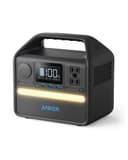 | 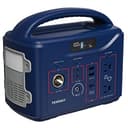 |
|---|---|---|
| Rating | 4.4(3.0k) | 4.3(217) |
| Capacity Wh | 256W | 300W |
| Chemistry | LiFePO4 | — |
| AC Output Watts | 300W | 200W |
| Dc Ports | 1 | 3 |
| AC Outlets | 2 | 2 |
| Weight | 8.16 lbs | 8.4 lbs |
| USB A Ports | 2 | 2 |
| USB C Ports | 1 | 1 |
| Peak Output Watts | 600W | 400W |
| Cycle Life | — | 2000 |
| Model Number | — | T320 |
Swipe horizontally to see all columns
Pros & Cons
Quick overview of strengths and weaknesses
Anker 521 Portable Power Station Upgraded
- LiFePO4 battery provides 10-year lifespan
- Peak 600W output handles high-draw appliances
- 60W USB-C PD port recharges laptops quickly
- Six outputs: 2 AC, 1 USB-C PD, 2 USB-A, 1 DC
- 8.16 lbs unit weight impacts portability
- 256Wh capacity limits high-draw use cases
- Solar charging requires separate panel purchase
Tenergy T320
- Provides 300Wh power for extended use.
- 2 AC outlets deliver 200W continuous, 400W surge.
- Pure Sine Wave AC output protects sensitive electronics.
- Multiple DC outputs: USB-C PD 45W, 2 USB-A, 12V car.
- 200W continuous AC output limits appliance compatibility.
- Combined AC/DC output limited to 398W total.
- Solar panel not included for solar recharging option.
Frequently Asked Questions
Common questions about this comparison
What is the main battery difference between the Anker 521 and Tenergy T320?
The Anker 521 uses a LiFePO4 battery, offering a 10-year lifespan, while the Tenergy T320 uses a different chemistry rated for 2000+ cycles.
Which power station can power higher-wattage devices?
The Anker 521, with its 300W continuous AC output and 600W peak, can handle more demanding appliances than the Tenergy T320's 200W (400W surge) output.
Does the Tenergy T320 have more power capacity than the Anker 521?
Yes, the Tenergy T320 has a 300Wh capacity, which is slightly higher than the Anker 521's 256Wh capacity.
How many AC outlets do these units have?
Both the Anker 521 and the Tenergy T320 come equipped with two AC outlets for powering standard household electronics.
Related Comparisons
Similar products people compare
Explore Other Categories
Popular comparisons across the site




Ask AI
Get instant answers about specs
Get the Deets
Ask our AI assistant
Ask Deets anything!