Our Verdict
Anker Anker 521 Portable Power Station Wins
The Anker also boasts a powerful 60W USB-C PD output crucial for modern devices.
Bottom Line: Anker Anker 521 Portable Power Station is the better choice. The Anker also boasts a powerful 60W USB-C PD output crucial for modern devices.
In-Depth Analysis
How they compare in practice
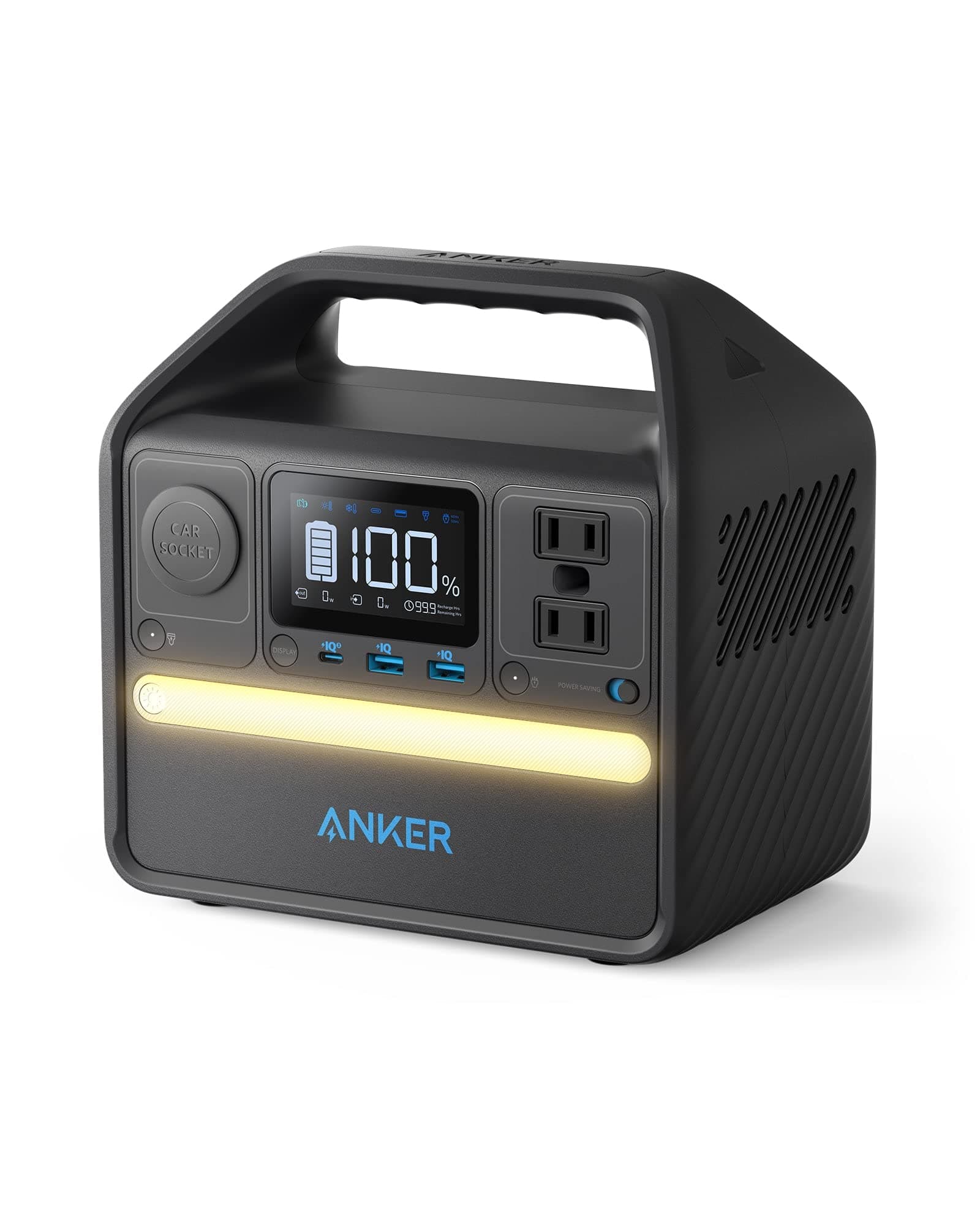
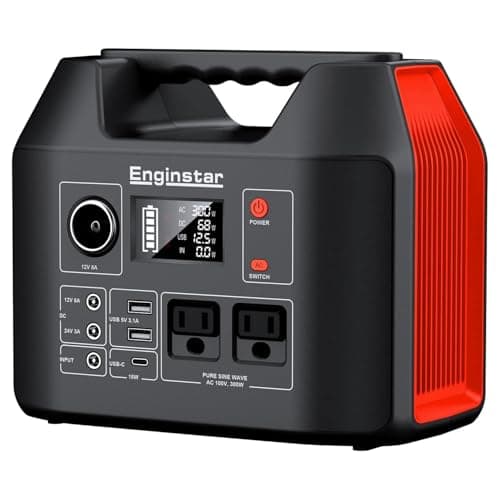
The Anker 521 Portable Power Station distinguishes itself primarily through its battery chemistry. Equipped with a LiFePO4 battery, it promises an exceptional 10-year lifespan, translating to thousands of charge cycles – a significant leap over the EnginStar R300's Li-ion battery, which typically offers around 1000 charge cycles. For users, this means the Anker is a genuine long-term investment, maintaining its 256Wh capacity more effectively over many years, reducing the likelihood of needing a replacement. In terms of raw capacity, the EnginStar R300 edges out the Anker 521 with 296Wh compared to 256Wh. Both units provide a robust 300W AC output, sufficient for small appliances and electronics, but the Anker 521's 600W peak output offers a slight advantage for devices with higher startup power demands. Portability is another key differentiator. The EnginStar R300 is noticeably lighter at 6.5 lbs, making it more appealing for backpackers, hikers, or anyone needing to carry their power station over longer distances. The Anker 521, at 8.16 lbs, is still portable but slightly heavier due to its more robust battery chemistry and potentially sturdier build. Furthermore, the Anker features a powerful 60W USB-C PD port, allowing for rapid charging of laptops and other USB-C powered devices, a critical feature for tech-savvy users that the EnginStar's single USB-C port doesn't explicitly match in power delivery. The EnginStar counters with 8 total output ports (2 DC, 2 AC, 1 USB-C, 1 USB-A) compared to Anker's 6 (2 AC, 1 DC, 1 USB-C, 2 USB-A), offering more simultaneous device charging options.
Key Differences
The most significant spec differences at a glance
Battery Capacity
14% lessDc Ports
50% lessUSB-A Ports
100% moreWeight
26% moreAdvantages
Where each product wins

Anker
- USB-A Ports: 100% higher (2 vs 1)

EnginStar
- Battery Capacity: 14% higher (256.0 vs 296)
- Dc Ports: 50% higher (1 vs 2)
- Weight: 26% lower (8.16 vs 6.5)
Which to Pick for Your Situation
Concrete scenarios with a clear recommendation
For long-term reliability and investment
AnkerThe Anker 521's LiFePO4 battery offers a 10-year lifespan, far surpassing the EnginStar's 1000 cycle Li-ion for sustained performance.
For frequent travelers or backpackers prioritizing weight
EnginStarWeighing 6.5 lbs, the EnginStar is significantly lighter than the Anker's 8.16 lbs, enhancing portability for on-the-go use.
For charging modern laptops quickly
AnkerThe Anker 521 features a dedicated 60W USB-C PD output, enabling rapid charging for compatible laptops and devices.
Who Should Buy Which?
Find the right product for your needs
Buy Anker if...
521 Portable Power Station Upgraded
The Anker Anker 521 Portable Power Station is ideally suited for the discerning buyer who views their power station as a long-term investment in reliable energy. This user prioritizes durability, extended longevity, and the peace of mind that comes with a robust power source. They are likely an outdoor enthusiast who needs consistent power for extended trips, or a homeowner preparing for emergencies, valuing the Anker's LiFePO4 battery chemistry which promises a remarkable 10-year lifespan. This buyer also appreciates modern convenience, particularly the ability to rapidly charge their laptop or other high-draw USB-C devices via the dedicated 60W USB-C PD output. They are willing to forgo a slightly larger raw capacity or lower upfront cost for unparalleled battery resilience and advanced charging features.

Buy EnginStar if...
Portable Power Station 300W 296Wh Battery Bank
The EnginStar Portable Power Station 300W is the perfect fit for the pragmatic, budget-conscious individual seeking an affordable and highly portable power solution for their adventures or emergency preparedness. They are often campers, tailgaters, or those needing a lightweight backup for outdoor activities, appreciating its mere 6.5 lbs weight for effortless transport. While they understand the Li-ion battery's 1000-cycle life is shorter than LiFePO4, they find it perfectly adequate for their typical usage patterns, which might involve occasional trips rather than daily heavy use. This buyer needs a versatile unit with multiple output options (8 ports) for concurrent charging of various devices like phones, tablets, or even a CPAP machine during a power outage. They are willing to forgo the ultra-long lifespan and high-wattage USB-C PD of more expensive models for an accessible, efficient, and genuinely portable power companion that delivers solid performance at an unbeatable price.
Spec Comparison
11 specs compared
| Specification | 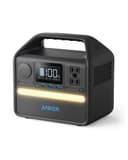 | 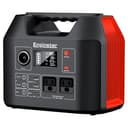 |
|---|---|---|
| Rating | 4.4(3.0k) | 4.3(1.4k) |
| Capacity Wh | 256W | 296W |
| Chemistry | LiFePO4 | Li-ion |
| AC Output Watts | 300W | 300W |
| Dc Ports | 1 | 2 |
| AC Outlets | 2 | 2 |
| Weight | 8.16 lbs | 6.5 lbs |
| USB A Ports | 2 | 1 |
| USB C Ports | 1 | 1 |
| Peak Output Watts | 600W | — |
| Cycle Life | — | 1000 |
| Model Number | — | R300 |
Swipe horizontally to see all columns
Pros & Cons
Quick overview of strengths and weaknesses
Anker 521 Portable Power Station Upgraded
- LiFePO4 battery provides 10-year lifespan
- Peak 600W output handles high-draw appliances
- 60W USB-C PD port recharges laptops quickly
- Six outputs: 2 AC, 1 USB-C PD, 2 USB-A, 1 DC
- 8.16 lbs unit weight impacts portability
- 256Wh capacity limits high-draw use cases
- Solar charging requires separate panel purchase
EnginStar Portable Power Station 300W 296Wh Battery Bank
- Lightweight 6.5 lbs for easy portability
- 300W pure sine wave AC output protects devices
- 8 output ports charge multiple items concurrently
- Three recharge methods: wall, car, solar panel
- Solar panel not included; separate purchase required
- Max 65W input speed; slower full recharge
- Requires charging every 2-3 months for upkeep
Frequently Asked Questions
Common questions about this comparison
Which power station offers a longer lifespan?
The Anker 521 features a LiFePO4 battery with a 10-year lifespan, significantly outlasting the EnginStar's Li-ion battery, which is rated for 1000+ charge cycles, ensuring better long-term durability and value.
Which product is lighter for portability?
The EnginStar R300 is lighter at 6.5 lbs, making it more portable than the Anker 521, which weighs 8.16 lbs. This makes the EnginStar better for carrying on trips.
Can these power stations power a CPAP machine?
Yes, both can power a CPAP. The EnginStar R300's 296Wh capacity is slightly higher than the Anker 521's 256Wh, potentially offering longer runtime for CPAP users, especially with its pure sine wave output.
What is the key difference in USB-C charging capability?
The Anker 521 has a 60W USB-C Power Delivery (PD) output, ideal for fast-charging laptops and larger devices. The EnginStar also has a USB-C port, but its specific PD wattage isn't highlighted as 60W.
Are solar panels included with either power station?
No, neither the Anker 521 nor the EnginStar R300 include a solar panel. For both units, solar charging functionality requires a separate purchase of a compatible solar panel.
Related Comparisons
Similar products people compare
Explore Other Categories
Popular comparisons across the site


Ask AI
Get instant answers about specs
Get the Deets
Ask our AI assistant
Ask Deets anything!