Our Verdict
Philips Barista Brew Semi Automatic Espresso Machine (Product B) Wins
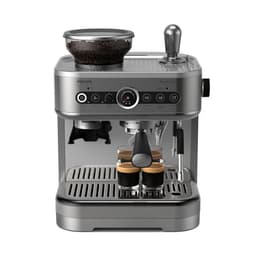
While significantly more expensive at $479.99 versus Product A's $177.99, Product B provides a more complete home barista experience with its integrated grinder and standard 58mm portafilter, offering superior control over extraction. The Mr. Coffee machine (Product A) is the better pick for budget-conscious users prioritizing automated milk drinks and a lower upfront cost, willing to manage a separate grinder.
Bottom Line: Philips Barista Brew Semi Automatic Espresso Machine (Product B) is the better choice. While significantly more expensive at $479.
In-Depth Analysis
How they compare in practice
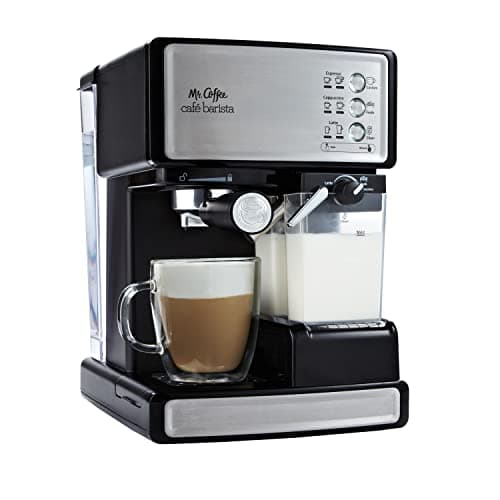
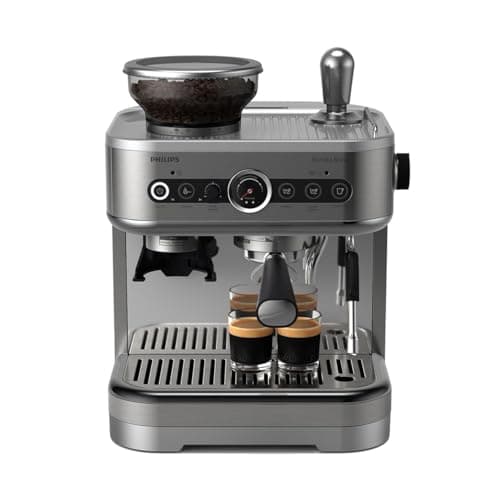
The Mr. Coffee Espresso and Cappuccino Machine (Product A) and the Philips Barista Brew (Product B) cater to different segments of home espresso enthusiasts, primarily distinguished by automation, control, and price point. The most significant real-world difference lies in their approach to coffee preparation: Product B, priced at $479.99, offers an integrated grinder and calibrated tamper. This means a user can go from whole beans to a perfectly tamped puck on one machine, streamlining the workflow and ensuring consistent puck preparation, crucial for quality espresso. In contrast, Product A, at $177.99, lacks a grinder, requiring users to purchase and operate a separate grinding solution, adding to the total cost and counter clutter. While both feature a 15-bar pump and thermoblock boiler, their milk frothing mechanisms diverge. Product A boasts an automatic milk frother, ideal for those seeking one-touch lattes and cappuccinos without manual steaming skills. Product B, conversely, includes a traditional steam wand, empowering users to manually texture milk to their preference, albeit with a learning curve. For the aspiring home barista, Product B's 58mm portafilter is a major draw. This standard size allows for a wide array of aftermarket accessories like different baskets, distribution tools, and bottomless portafilters, expanding customization and control. Product A likely uses a proprietary, smaller portafilter, limiting such upgrades. The higher price of the Philips machine directly translates to a more integrated and controllable experience, while the Mr. Coffee focuses on accessible automation and affordability.
Key Differences
The most significant spec differences at a glance
Grinder Included
100% lessAdvantages
Where each product wins

Philips
- Grinder Included: 100% higher (False vs True)
Which to Pick for Your Situation
Concrete scenarios with a clear recommendation
For the budget-conscious beginner
Mr. CoffeeAt $177.99, Product A is significantly more affordable, providing an entry point into home espresso with an automatic milk frother for easy lattes and cappuccinos.
For aspiring home baristas seeking control
PhilipsProduct B features an integrated grinder, calibrated tamper, and a standard 58mm portafilter, offering more control over the espresso-making process and compatibility with professional accessories.
For quick, convenient milk-based drinks
Mr. CoffeeProduct A's automatic milk frother simplifies milk preparation, making it easier and quicker to produce lattes and cappuccinos with less manual effort.
For minimal counter space and streamlined workflow
PhilipsProduct B integrates a grinder, reducing the need for a separate appliance and freeing up counter space while providing an all-in-one preparation station.
Who Should Buy Which?
Find the right product for your needs

Buy Mr. Coffee if...
Mr. Coffee Espresso and
The Mr. Coffee Espresso and Cappuccino Machine (BVMCECMP1000RB) is the ideal choice for the casual coffee drinker who prioritizes convenience, automation, and affordability. This buyer is likely new to home espresso or simply wants to enjoy quick, milk-based drinks without a steep learning curve or significant investment. They value the one-touch panel and the automatic milk frother, which takes the guesswork out of steaming milk, allowing them to effortlessly produce lattes and cappuccinos. Their budget is a key consideration, as the $177.99 price point makes quality espresso accessible. While they understand the need for a separate grinder, they prefer the machine to handle the complexities of milk frothing. This buyer isn't concerned with manual control over every brewing variable or accessorizing with a 58mm portafilter; their focus is on a satisfying, easy-to-make coffee experience at home. They're willing to forgo PID temperature control and an integrated grinder for the sake of simplicity and cost.

Buy Philips if...
Philips Barista Brew Semi
The Philips Barista Brew Semi Automatic Espresso Machine (PSA3218/01) is perfectly suited for the aspiring home barista who is eager to learn and gain more control over their espresso-making process. This buyer values an integrated system, appreciating the convenience of a built-in grinder and calibrated tamper, which ensures consistent puck preparation for better extraction results. They understand the nuances of espresso and are prepared to engage with the manual aspects, such as using a traditional steam wand to texture milk to their desired consistency. The standard 58mm portafilter is a significant draw, as it opens up a world of accessories and customization options, allowing them to experiment and refine their craft. While the $479.99 price is a higher investment, this buyer sees it as a gateway to a more authentic and rewarding home barista experience, accepting that it requires more skill and involvement than a fully automatic machine. They prioritize the ability to fine-tune their shots over automated one-touch simplicity.
Spec Comparison
7 specs compared
| Specification | 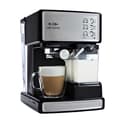 | 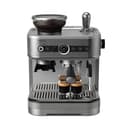 |
|---|---|---|
| Price | $178 | $480 |
| Rating | 4.3(14.1k) | 4.0(279) |
| Boiler Type | thermoblock | thermoblock |
| Pump Pressure Bars | 15 | 15 |
| Portafilter Size mm | — | 58 |
| Steam Wand | Yes | Yes |
| Model Number | BVMCECMP1000RB | PSA3218/01 |
| Grinder Included | No | Yes |
| PID Temperature Control | No | — |
Swipe horizontally to see all columns
Pros & Cons
Quick overview of strengths and weaknesses
Mr. Coffee Espresso and
- Produces espresso, cappuccino, and latte.
- 15-bar pump system for espresso extraction.
- Automatic milk frother automates milk prep.
- One-touch panel simplifies drink selections.
- Does not include an integrated coffee grinder.
- Lacks PID for consistent brew temperature.
- Requires manual coffee grinding and tamping.
Philips Barista Brew
- 58mm portafilter for standard accessories
- Integrated grinder saves counter space
- Calibrated tamper aids consistent puck prep
- Steam wand included for milk frothing
- Requires manual espresso preparation skills
- Thermoblock design may have temperature swings
- 15-bar pump often too high for optimal extraction
- 250g bean container needs frequent refilling
Frequently Asked Questions
Common questions about this comparison
Does the Mr. Coffee Mr. Coffee Espresso and Cappuccino Machine include a coffee grinder?
No, the Mr. Coffee BVMCECMP1000RB does not include an integrated coffee grinder. You will need a separate grinder to prepare your coffee beans for espresso extraction.
What portafilter size does the Philips Barista Brew machine use?
The Philips Barista Brew Semi Automatic Espresso Machine (PSA3218/01) utilizes a standard 58mm portafilter. This allows for broader compatibility with various aftermarket accessories and tools.
How do the milk frothing systems differ between the two machines?
The Mr. Coffee machine features an automatic milk frother for one-touch milk preparation. The Philips Barista Brew, however, comes with a traditional steam wand, requiring manual frothing for customized milk texture.
Which machine is better for consistent espresso extraction?
The Philips Barista Brew (Product B) offers better consistency due to its integrated grinder and calibrated tamper, which helps achieve optimal puck preparation, a critical factor for quality espresso.
Is the 15-bar pump pressure ideal for espresso?
Both machines feature a 15-bar pump. While common in consumer models, optimal espresso extraction typically occurs at 9 bars. These machines achieve usable results, but 15 bars can sometimes lead to over-extraction.
Related Comparisons
Similar products people compare
Electactic vs Mr. Coffee
$291 vs $178
CASABREWS vs Mr. Coffee
$119 vs $178
Breville vs Philips
$790 vs $480
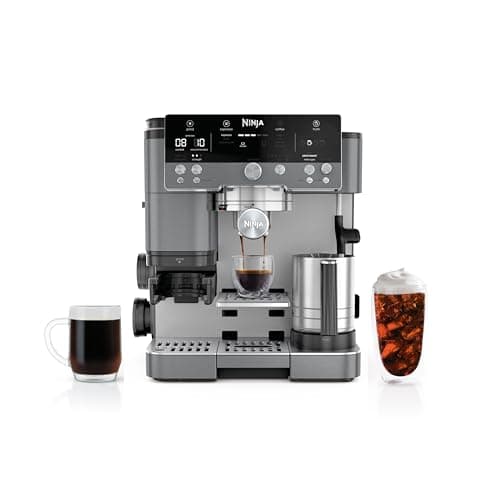
Ninja vs Philips
$600 vs $480
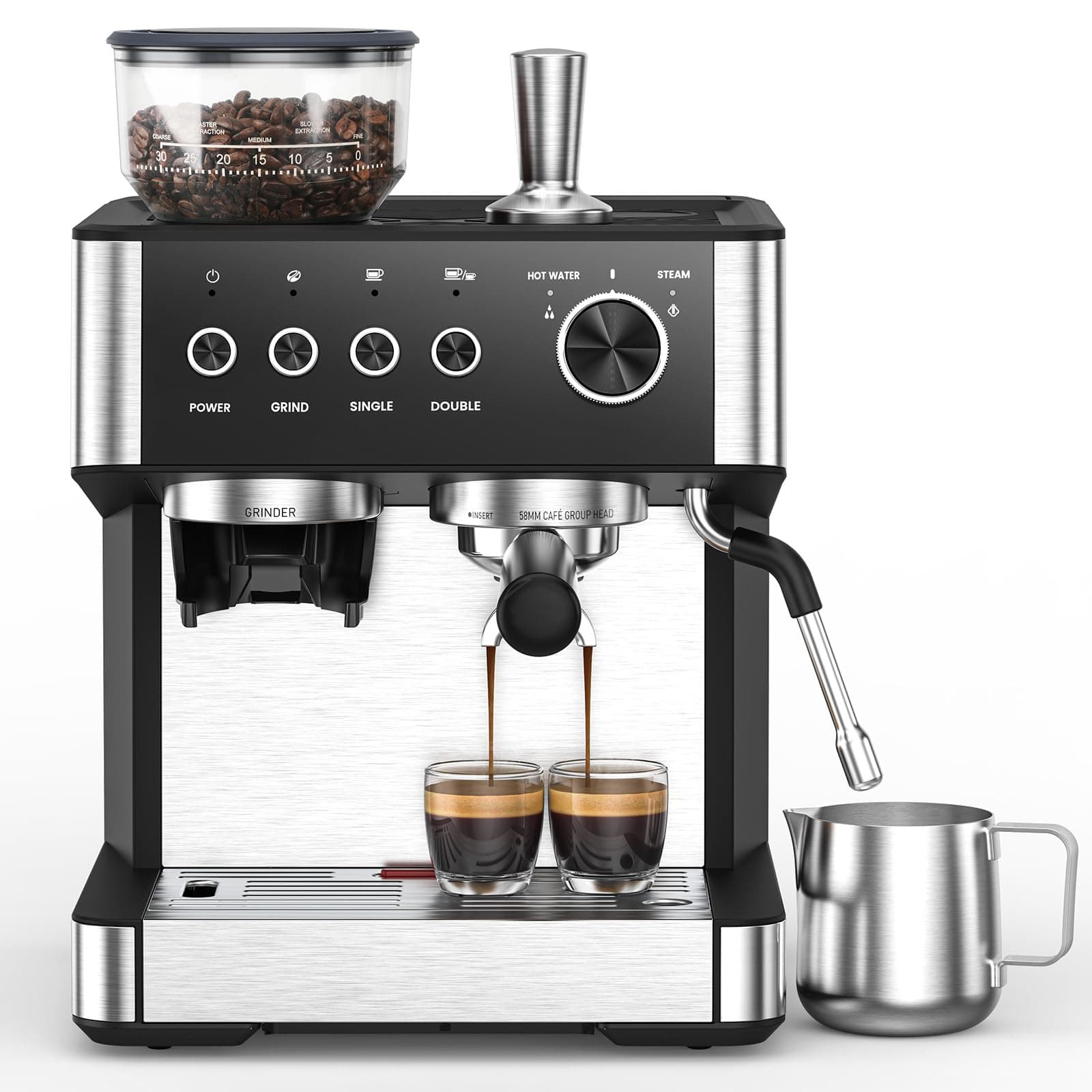
Electactic vs Mr. Coffee
$95 vs $178
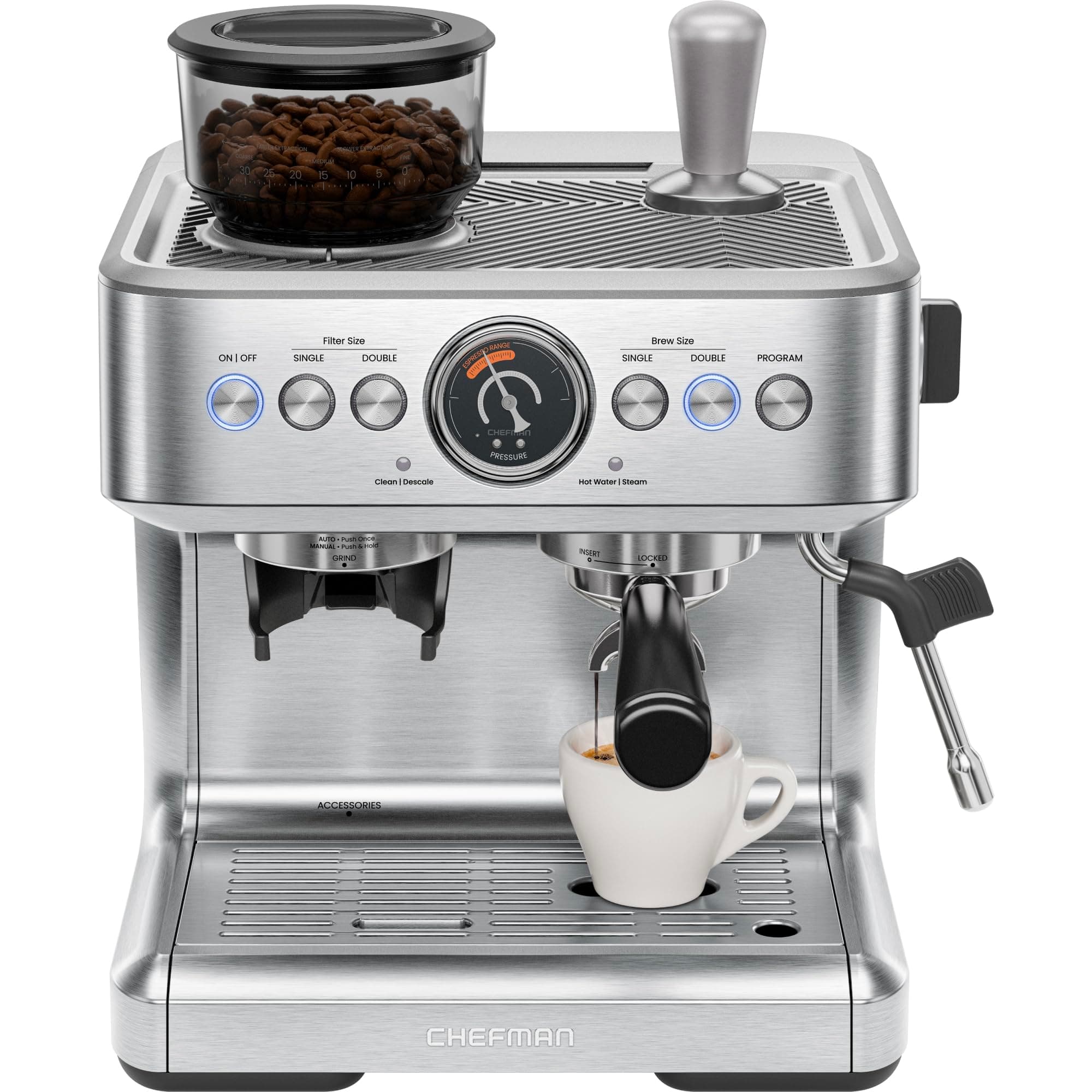
Chefman vs Mr. Coffee
$299 vs $178
Chefman vs Philips
$299 vs $480
Electactic vs Philips
$291 vs $480
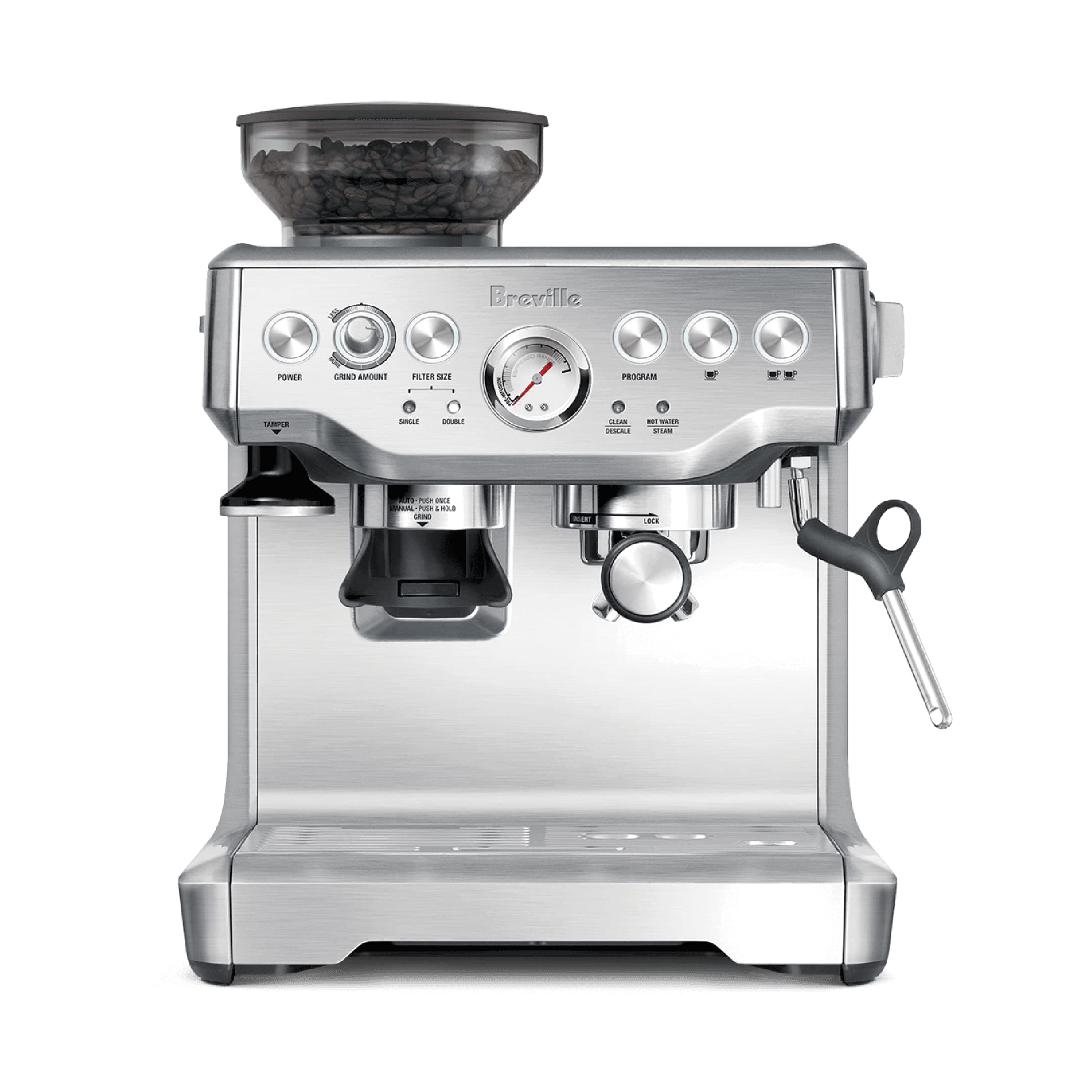
Breville vs Philips
$690 vs $480
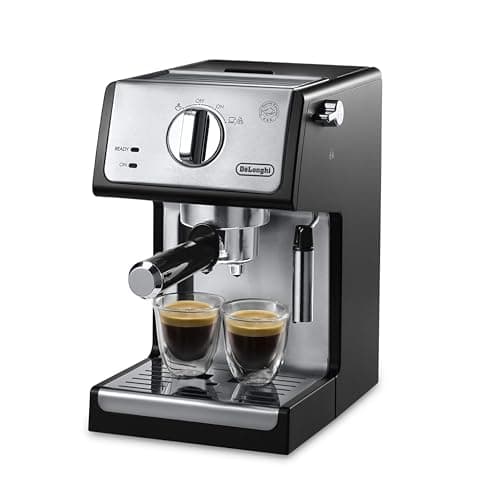
De'Longhi vs Mr. Coffee
$180 vs $178
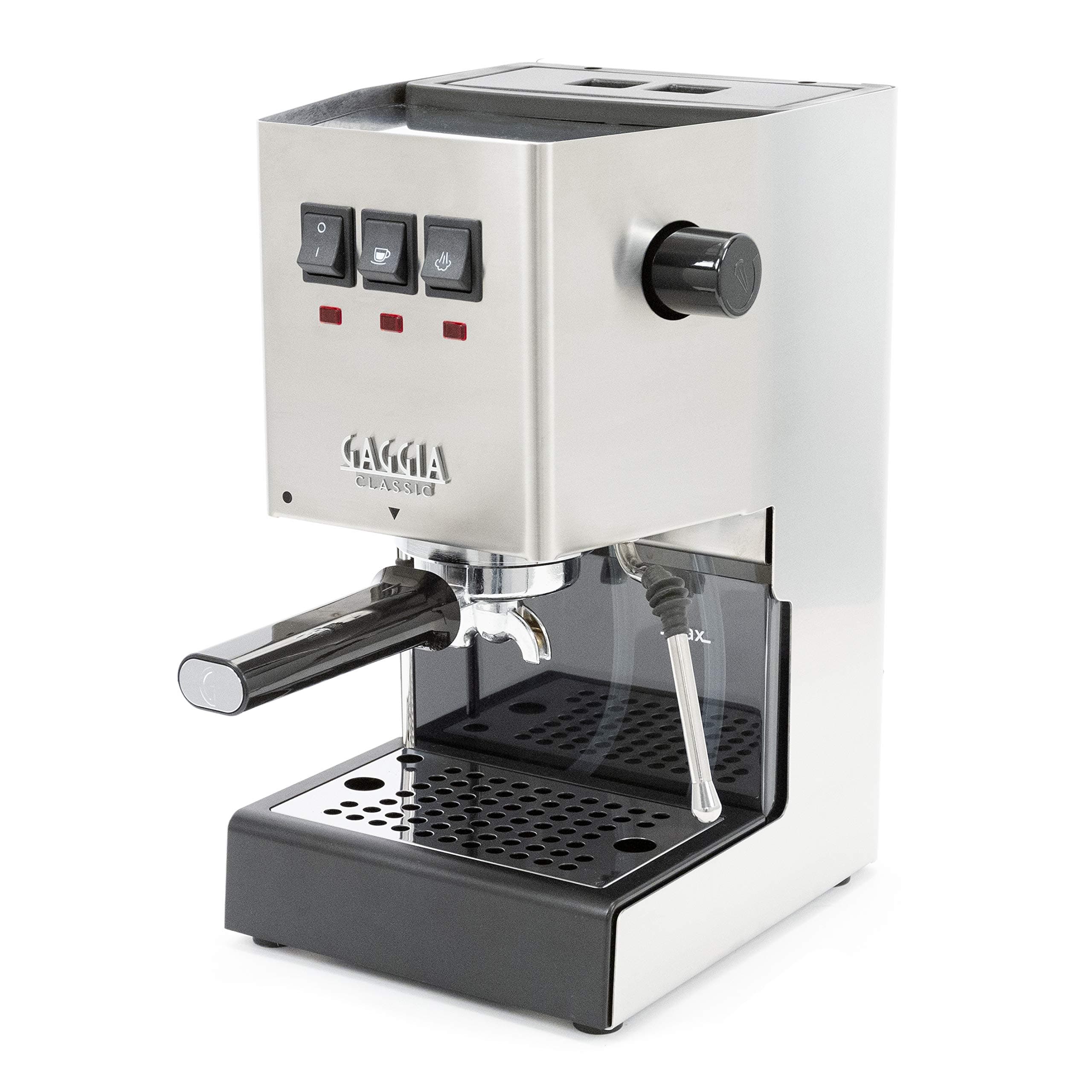
Gaggia vs Philips
$452 vs $480
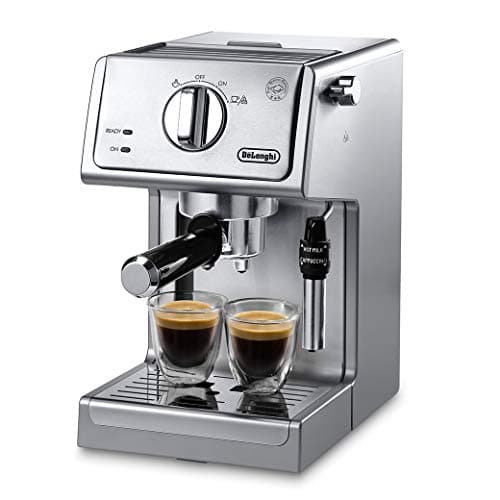
De'Longhi vs Mr. Coffee
$200 vs $178
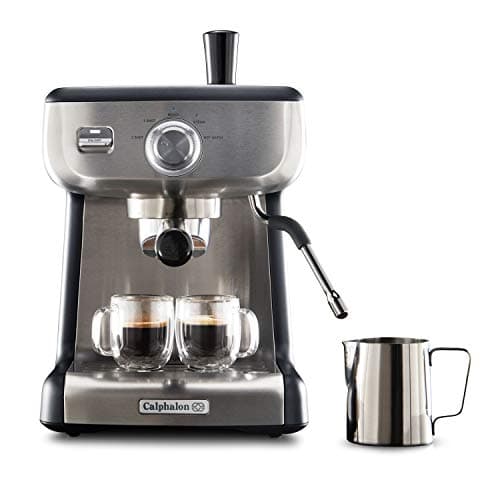
Calphalon vs Philips
$350 vs $480
De'Longhi vs Philips
$500 vs $480
De'Longhi vs Mr. Coffee
$236 vs $178
Explore Other Categories
Popular comparisons across the site


Ask AI
Get instant answers about specs
Get the Deets
Ask our AI assistant
Ask Deets anything!