Our Verdict
Gaggia RI9380/46 E24 Wins
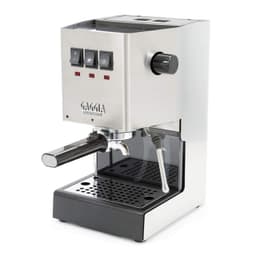
This machine delivers optimal espresso extraction with its precise 9-bar pump pressure, a critical advantage over the Philips' 15-bar pump which often over-extracts. Despite requiring a separate grinder, its robust single boiler and 58mm portafilter ensure a traditional, high-quality brewing experience for a slightly lower price of $452.44. The Philips Barista Brew is the better pick for those prioritizing convenience and counter space, offering an integrated grinder for just $479.99, making it an all-in-one solution for beginners.
Bottom Line: Gaggia RI9380/46 E24 is the better choice. This machine delivers optimal espresso extraction with its precise 9-bar pump pressure, a critical advantage over the Philips' 15-bar pump which often over-extracts.
In-Depth Analysis
How they compare in practice
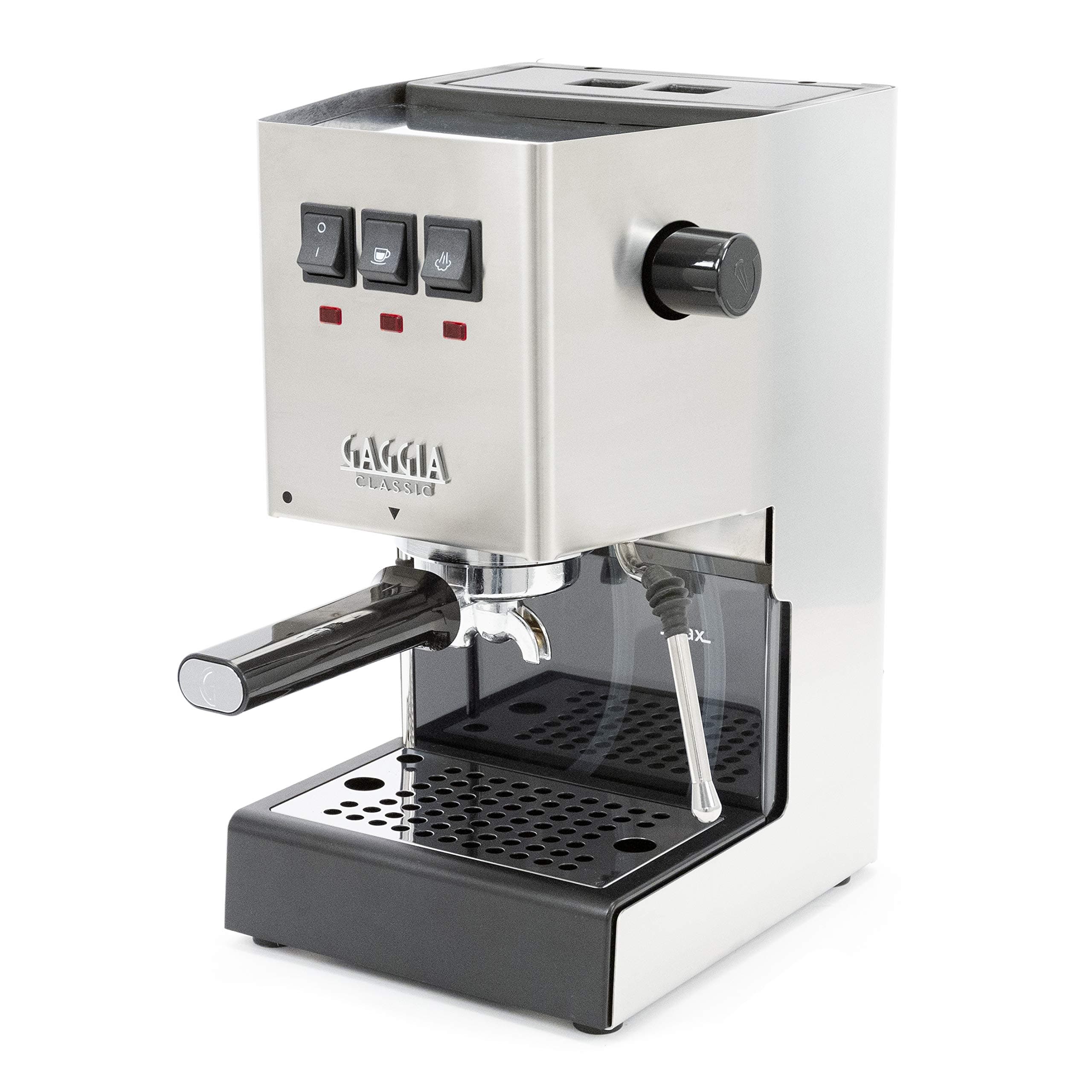
The Gaggia RI9380/46 E24 and Philips Barista Brew Semi Automatic espresso machines present a fascinating dichotomy between espresso purity and integrated convenience, despite their similar 58mm portafilter sizes. The Gaggia, priced at $452.44, firmly prioritizes optimal espresso extraction with its industry-standard 9-bar pump pressure. In real-world use, this translates to consistently balanced, nuanced shots, avoiding the common pitfalls of over-extraction that can plague machines with higher pressures. Its single boiler, while requiring a brief wait between brewing and steaming, offers superior temperature stability for discerning palates. This traditional design demands a separate grinder, catering to users who prefer control over their grind quality.
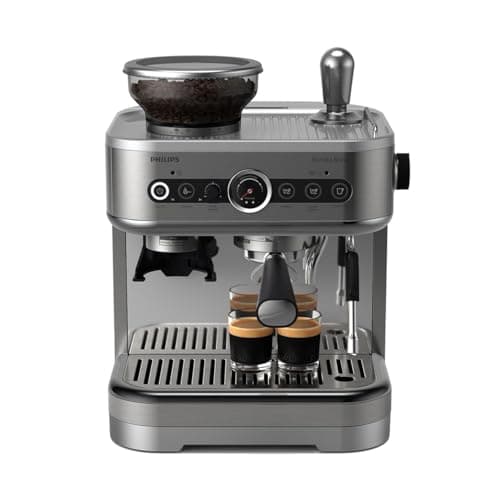
Conversely, the Philips Barista Brew, at $479.99, positions itself as an all-in-one solution. Its most notable feature is the integrated grinder and 250g bean container, which significantly reduces countertop clutter and simplifies the initial setup for new users. However, this convenience comes with trade-offs. The Philips’ 15-bar pump pressure, while sounding powerful, often requires careful puck preparation and grind adjustments to prevent bitter, burnt-tasting espresso. Its thermoblock heating system, while fast, may introduce more temperature variability compared to the Gaggia’s single boiler, potentially impacting shot consistency over time.
For daily use, the Gaggia's 70 oz water reservoir offers ample capacity, reducing the frequency of refills, a practical boon for multi-shot mornings. Its three-way solenoid valve is another professional touch, ensuring dry pucks for easier cleanup. The solid steel housing speaks to its durability and classic, robust aesthetic. The Philips, with its dedicated Americano button and calibrated tamper, streamlines certain aspects of the brewing process, making it more approachable for beginners or those who value speed and ease over meticulous control.
Ultimately, the Gaggia appeals to the budding home barista willing to invest in a separate quality grinder for superior espresso mechanics and a durable build. The Philips, while slightly more expensive, offers a compelling value proposition for those seeking a complete, space-saving setup right out of the box, acknowledging that the pursuit of perfectly dialed-in espresso may require more manual finesse to counteract its higher pump pressure and thermoblock system.
Key Differences
The most significant spec differences at a glance
Pump Pressure
40% lessGrinder Included
100% lessAdvantages
Where each product wins

Philips
- Pump Pressure: 40% higher (9.0 vs 15)
- Grinder Included: 100% higher (False vs True)
Which to Pick for Your Situation
Concrete scenarios with a clear recommendation
For the espresso perfectionist on a budget
GaggiaThe Gaggia's 9-bar pump pressure is ideal for optimal espresso extraction, delivering superior quality shots compared to the Philips' 15-bar system.
For an all-in-one setup with limited counter space
PhilipsThe Philips includes an integrated grinder, saving valuable counter space and eliminating the need for a separate bulky appliance.
For someone new to semi-automatic espresso machines
PhilipsThe Philips offers an integrated grinder and calibrated tamper, simplifying the initial learning curve for puck preparation and making it more approachable for beginners.
For durability and traditional espresso craftsmanship
GaggiaThe Gaggia features solid steel housing and a traditional single boiler, appealing to those who value a robust, long-lasting machine and classic espresso techniques.
Who Should Buy Which?
Find the right product for your needs

Buy Gaggia if...
Gaggia RI9380/46 E24 Espresso
The Gaggia RI9380/46 E24 is perfectly suited for the discerning home barista who places paramount importance on the quality and craft of espresso, and is prepared to invest in a high-quality separate grinder. This buyer is enthusiastic about mastering espresso variables, appreciates traditional machine mechanics, and seeks a durable, long-lasting appliance. Their budget is around $450 for the machine itself, with an understanding that a good grinder is an essential additional investment. Daily use might involve savoring meticulously prepared morning shots, experimenting with diverse coffee beans, or enjoying a traditional cappuccino. The Gaggia's critical 9-bar pump pressure is a key differentiator, ensuring optimal extraction and consistently rich, balanced flavors, thereby avoiding the bitterness often associated with higher pressure pumps. Its robust single boiler provides superior thermal stability for consistent shot quality, a crucial advantage for those who prioritize nuanced taste, even if it means a brief wait when switching between brewing and steaming. The commercial-standard 58mm portafilter ensures compatibility with a wide range of professional accessories, empowering them to explore advanced espresso techniques. This buyer consciously gives up the immediate all-in-one convenience of an integrated grinder for the superior performance, flexibility, and longevity offered by dedicated, high-quality components.

Buy Philips if...
Philips Barista Brew Semi
The Philips Barista Brew Semi Automatic Espresso Machine is an excellent choice for the new espresso enthusiast or anyone seeking an all-in-one, space-saving solution without significant prior equipment. This buyer prioritizes convenience, ease of use, and a streamlined setup for their daily coffee routine. They are looking for a machine that delivers decent espresso and milk drinks without the added complexity or expense of purchasing a separate grinder, fitting a budget around $480. Their home setup might have limited counter space, making the integrated grinder a highly attractive feature. The Philips' integrated grinder and 250g bean container eliminate the need for an additional appliance, providing a complete brewing system in one compact unit. The inclusion of a calibrated tamper further simplifies the crucial step of puck preparation, helping beginners achieve more consistent results right out of the box. While its 15-bar pump pressure might require some careful technique to avoid over-extraction, its faster thermoblock heating system is beneficial for quick morning coffees or consecutive milk-based drinks. This user values the simplicity of a combined system and is willing to accept potential trade-offs in ultimate espresso perfection for the sake of an effortless and compact countertop footprint.
Spec Comparison
9 specs compared
| Specification |  | 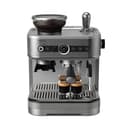 |
|---|---|---|
| Price | $452 | $480 |
| Rating | 4.2(3.0k) | 4.0(279) |
| Boiler Type | single | thermoblock |
| Pump Pressure Bars | 9 | 15 |
| Portafilter Size mm | 58 | 58 |
| Steam Wand | Yes | Yes |
| Weight | 20 lbs | — |
| Grinder Included | No | Yes |
| Dimensions | 9.5" × 14.2" × 8" | — |
| Water Reservoir oz | 70.09 | — |
| Model Number | — | PSA3218/01 |
Swipe horizontally to see all columns
Pros & Cons
Quick overview of strengths and weaknesses
Gaggia RI9380/46 E24
- 9 bar pump pressure for optimal espresso extraction
- 58mm portafilter matches commercial standards
- Three-way solenoid valve for dry pucks
- Solid steel housing ensures durability
- Single boiler limits simultaneous brewing and steaming
- No integrated grinder requires separate purchase
Philips Barista Brew
- 58mm portafilter for standard accessories
- Integrated grinder saves counter space
- Calibrated tamper aids consistent puck prep
- Steam wand included for milk frothing
- Requires manual espresso preparation skills
- Thermoblock design may have temperature swings
- 15-bar pump often too high for optimal extraction
- 250g bean container needs frequent refilling
Frequently Asked Questions
Common questions about this comparison
Which machine offers better espresso extraction?
The Gaggia RI9380/46 E24 excels with its 9-bar pump pressure, which is considered optimal for balanced espresso extraction. The Philips' 15-bar pump often leads to over-extraction.
Do either of these machines include a coffee grinder?
Only the Philips Barista Brew (model PSA3218/01) includes an integrated grinder, making it a convenient all-in-one solution. The Gaggia requires a separate grinder purchase.
How do the boiler types compare for daily use?
The Gaggia uses a traditional single boiler, offering excellent temperature stability for espresso, though it requires a brief wait to switch to steaming. The Philips has a fast thermoblock, but may have more temperature swings.
What is the portafilter size for both machines?
Both the Gaggia RI9380/46 E24 and the Philips Barista Brew use a standard 58mm portafilter, allowing compatibility with a wide range of commercial accessories.
Which machine is better for someone who makes many milk-based drinks?
Both have steam wands. The Philips' thermoblock heats faster for steaming, potentially suiting those prioritizing quicker milk frothing, though the Gaggia's single boiler might offer more consistent steam.
Related Comparisons
Similar products people compare
De'Longhi vs Gaggia
$500 vs $452
Breville vs Philips
$790 vs $480
Ninja vs Philips
$600 vs $480
Mr. Coffee vs Philips
$178 vs $480
Chefman vs Philips
$299 vs $480
Electactic vs Philips
$291 vs $480
Breville vs Philips
$690 vs $480
Calphalon vs Philips
$350 vs $480
De'Longhi vs Gaggia
$500 vs $452
COWSAR vs Gaggia
$408 vs $452
De'Longhi vs Philips
$500 vs $480
Gaggia vs Philips
$530 vs $480
De'Longhi vs Philips
$230 vs $480
COWSAR vs Gaggia
$300 vs $452
Ninja vs Philips
$430 vs $480
Explore Other Categories
Popular comparisons across the site


Ask AI
Get instant answers about specs
Get the Deets
Ask our AI assistant
Ask Deets anything!