Our Verdict
JBL Quantum Stream Wins
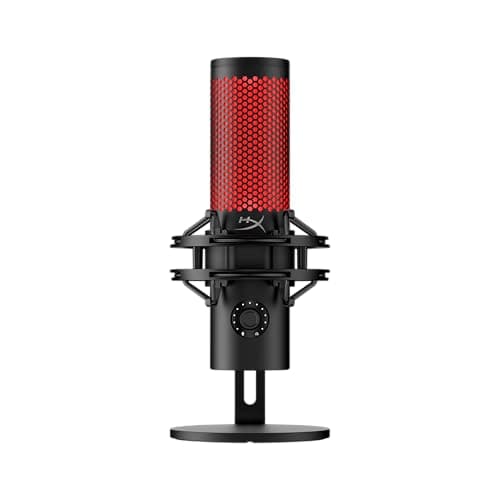
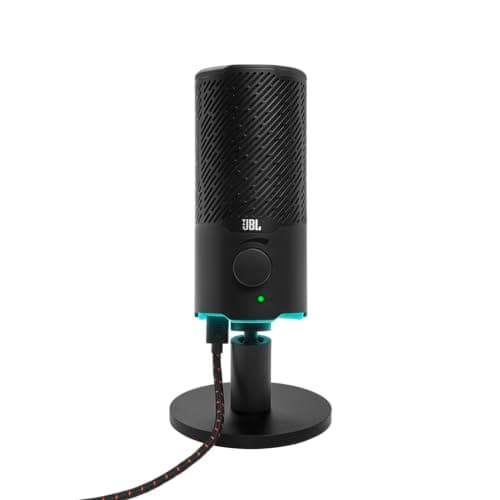
While both feature multi-pattern recording and zero-latency monitoring, the JBL provides an edge in raw audio fidelity. The HyperX QuadCast 2 is the better pick for users who prioritize explicit on-board gain control and a built-in shock mount for vibration dampening.
Bottom Line: JBL Quantum Stream is the better choice. While both feature multi-pattern recording and zero-latency monitoring, the JBL provides an edge in raw audio fidelity.
In-Depth Analysis
How they compare in practice
The HyperX QuadCast 2 and JBL Quantum Stream both target the content creator and gamer market, offering USB connectivity and multi-pattern recording, but they diverge in key areas impacting real-world use. The most significant difference lies in their audio sampling capabilities: the JBL Quantum Stream boasts a 96.0 kHz sample rate, double that of the HyperX QuadCast 2's 48.0 kHz. This higher sample rate means the JBL can capture more nuanced sonic details, making it potentially more appealing for music recording or very high-fidelity voice-overs where intricate audio processing might occur. However, for most streaming, gaming, and podcasting applications, the HyperX's 48.0 kHz at 24-bit depth still delivers professional-grade, clear audio. The practical implication is that while the JBL has higher specs, the average listener might not discern a major difference in a typical streaming scenario, but audio purists would appreciate the JBL's edge. One area where the HyperX QuadCast 2 clearly outperforms the JBL is in its physical controls and built-in features. The HyperX comes with an explicit on-board gain control knob, allowing for instant sensitivity adjustments during a live session without needing to interact with software. It also integrates a removable shock mount that effectively isolates the microphone from desk bumps and vibrations, a crucial feature for maintaining clean audio during intense gaming or typing. The JBL, while having on-mic volume control and a flexible 360-degree stand, lacks an explicit gain knob and does not feature a dedicated shock mount, meaning users might need to be more mindful of their desk setup or invest in additional accessories. Both offer zero-latency monitoring via headphone output and multi-pattern versatility (HyperX with four patterns, JBL with two), making them adaptable to various recording environments, from solo commentary to interviews. The decision ultimately hinges on whether superior raw audio capture (JBL) or convenient physical control and vibration isolation (HyperX) is the higher priority.
Key Differences
The most significant spec differences at a glance
Sample Rate
50% lessAdvantages
Where each product wins

JBL
- Sample Rate: 50% higher (48.0 vs 96.0)
Which to Pick for Your Situation
Concrete scenarios with a clear recommendation
For high-fidelity audio recording for music or detailed voice work
JBLThe JBL Quantum Stream offers a superior 96.0 kHz sample rate, capturing more audio detail than the HyperX QuadCast 2's 48.0 kHz, ideal for nuanced sound.
For live streaming and gaming with active desk use
HyperXThe HyperX QuadCast 2 features an integrated shock mount to reduce vibrations and on-board gain control for quick live adjustments, ensuring clear audio during active use.
For versatile recording setups (e.g., interviews, podcasts, solo streaming)
HyperXThe HyperX QuadCast 2 provides four polar patterns (cardioid, omnidirectional, bidirectional, stereo), offering greater versatility than the JBL's two patterns.
Who Should Buy Which?
Find the right product for your needs

Buy HyperX if...
QuadCast 2
The HyperX QuadCast 2 is the ideal choice for serious streamers, gamers, and podcasters who demand immediate, tactile control and robust audio isolation in a live setting. This buyer prioritizes the convenience of an explicit on-board gain control knob, allowing for quick sensitivity adjustments to their voice or surrounding environment without fumbling with software menus. They value the integrated, removable shock mount, recognizing its importance in dampening desk vibrations and accidental bumps, which ensures their audio remains crystal clear during intense gaming sessions or energetic broadcasts. While the 48.0 kHz sample rate might not be the highest, the 24-bit depth ensures excellent fidelity for voice applications. They appreciate the multi-pattern polar pattern, offering versatility for various recording scenarios, from solo commentary to group discussions.

Buy JBL if...
Quantum Stream USB Condenser Microphone
The JBL Quantum Stream is perfectly suited for the value-conscious content creator, aspiring musician, or audiophile who prioritizes raw audio fidelity and detail above all else. This buyer is drawn to the microphone's impressive 96.0 kHz sample rate, understanding that it provides a superior canvas for capturing nuances in music, detailed voice-overs, or sound effects, especially if extensive post-production is planned. While they might forgo a dedicated physical gain knob or an integrated shock mount, they are comfortable making adjustments through software or utilizing an external mount if needed. Their setup might be more stationary, reducing the immediate need for on-the-fly physical controls. The dual polar patterns (cardioid and omnidirectional) offer enough versatility for most personal recording needs. This buyer is making a deliberate trade-off, prioritizing the technical edge in sample rate for pristine audio capture, accepting that they may need to supplement with external accessories or software control for some functionalities that the HyperX offers out-of-the-box.
Spec Comparison
11 specs compared
| Specification |  | 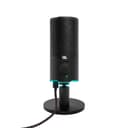 |
|---|---|---|
| Rating | 4.7(36.4k) | 4.7(108) |
| Sample Rate | 48 kHz | 96 kHz |
| Bit Depth | 24 | — |
| Connection | USB | USB |
| Polar Pattern | multi-pattern | multi-pattern |
| Zero-Latency | Yes | — |
| Mute Button | Yes | Yes |
| Gain Control | Yes | — |
| Model Number | 872V1AA | JBLQSTREAM |
| Headphone Out | Yes | Yes |
| Freq. Response | 20Hz - 20kHz | — |
| Software | — | None |
Swipe horizontally to see all columns
Pros & Cons
Quick overview of strengths and weaknesses
HyperX QuadCast 2
- Multi-pattern capture supports varied audio.
- 24-bit, 48kHz audio ensures high fidelity.
- Zero-latency monitoring output for headphones.
- Integrated shock mount reduces desk vibrations.
- Wired connection limits setup flexibility.
- LED lighting offers no recording utility.
JBL Quantum Stream USB Condenser Microphone
- 96kHz sample rate ensures detailed audio capture.
- Direct USB connection; no audio interface needed.
- Switchable cardioid and omnidirectional patterns.
- Flexible mounting with 360-degree rotating stand.
- Lacks dedicated software suite for advanced control.
- No explicit mention of a physical gain control knob.
- 14mm electret capsules are smaller than large diaphragm.
Frequently Asked Questions
Common questions about this comparison
Which microphone offers a higher audio sample rate?
The JBL Quantum Stream has a higher 96.0 kHz sample rate, capable of capturing more detailed audio than the HyperX QuadCast 2's 48.0 kHz sample rate.
Do both microphones include a headphone output for monitoring?
Yes, both the HyperX QuadCast 2 and the JBL Quantum Stream feature a headphone output, enabling zero-latency monitoring of your audio.
Does either microphone have dedicated on-board gain control?
The HyperX QuadCast 2 explicitly includes an on-board gain control knob. The JBL Quantum Stream offers on-mic volume control but not a distinct physical gain knob.
What is the bit depth of the HyperX QuadCast 2?
The HyperX QuadCast 2 records at a 24-bit depth, providing a wide dynamic range crucial for professional-quality audio capture and post-production.
Is a shock mount included with either microphone?
The HyperX QuadCast 2 features a removable, integrated shock mount to minimize vibrations. The JBL Quantum Stream relies on its flexible 360-degree stand.
What polar patterns are available on these microphones?
Both are multi-pattern. The HyperX offers cardioid, omnidirectional, bidirectional, and stereo. The JBL provides cardioid and omnidirectional patterns.
Related Comparisons
Similar products people compare
Explore Other Categories
Popular comparisons across the site

Ask AI
Get instant answers about specs
Get the Deets
Ask our AI assistant
Ask Deets anything!