Our Verdict
Coway AP-2015F Airmega 400 Wins
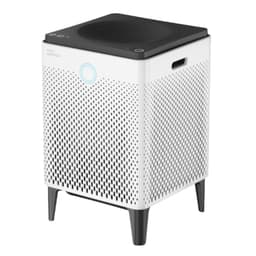
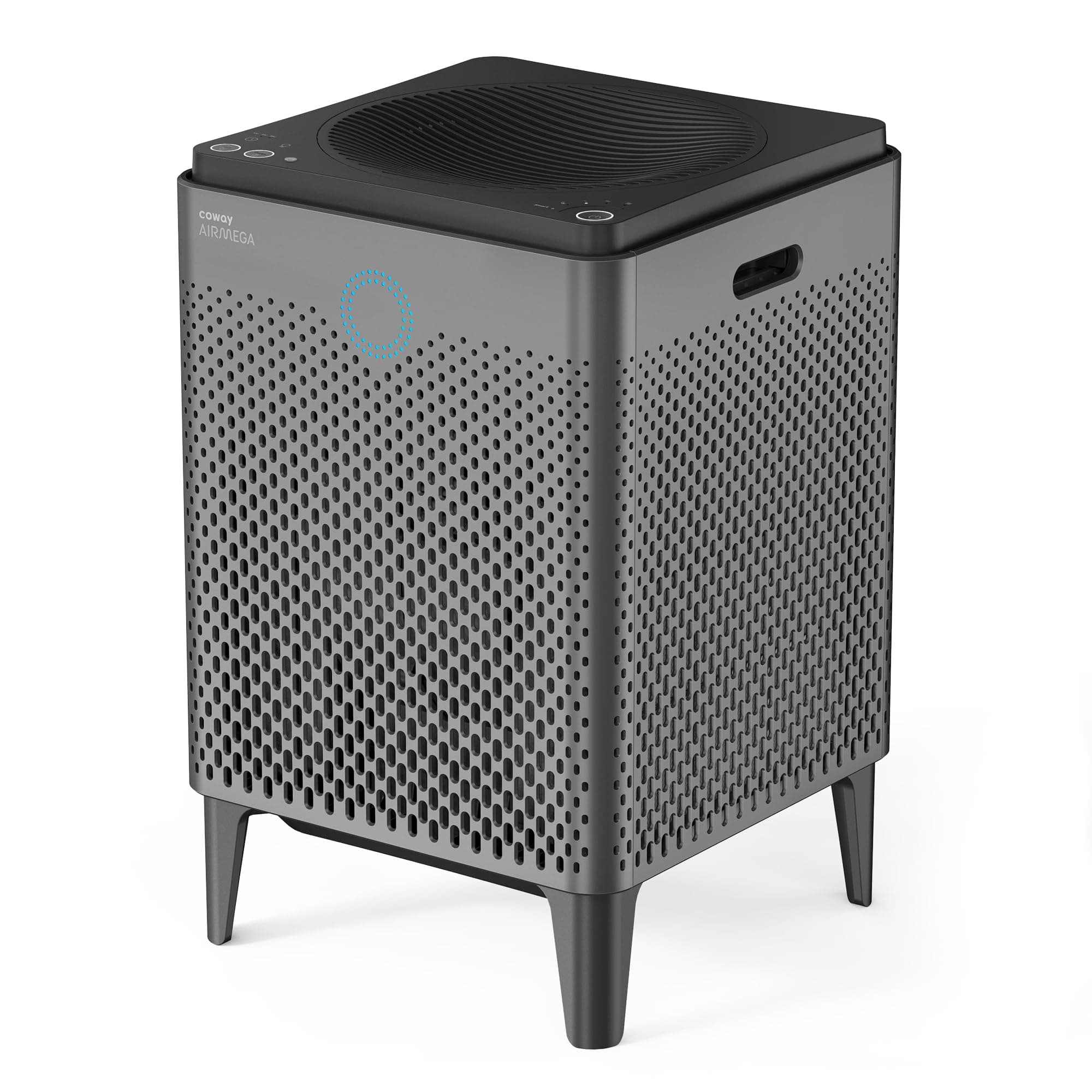
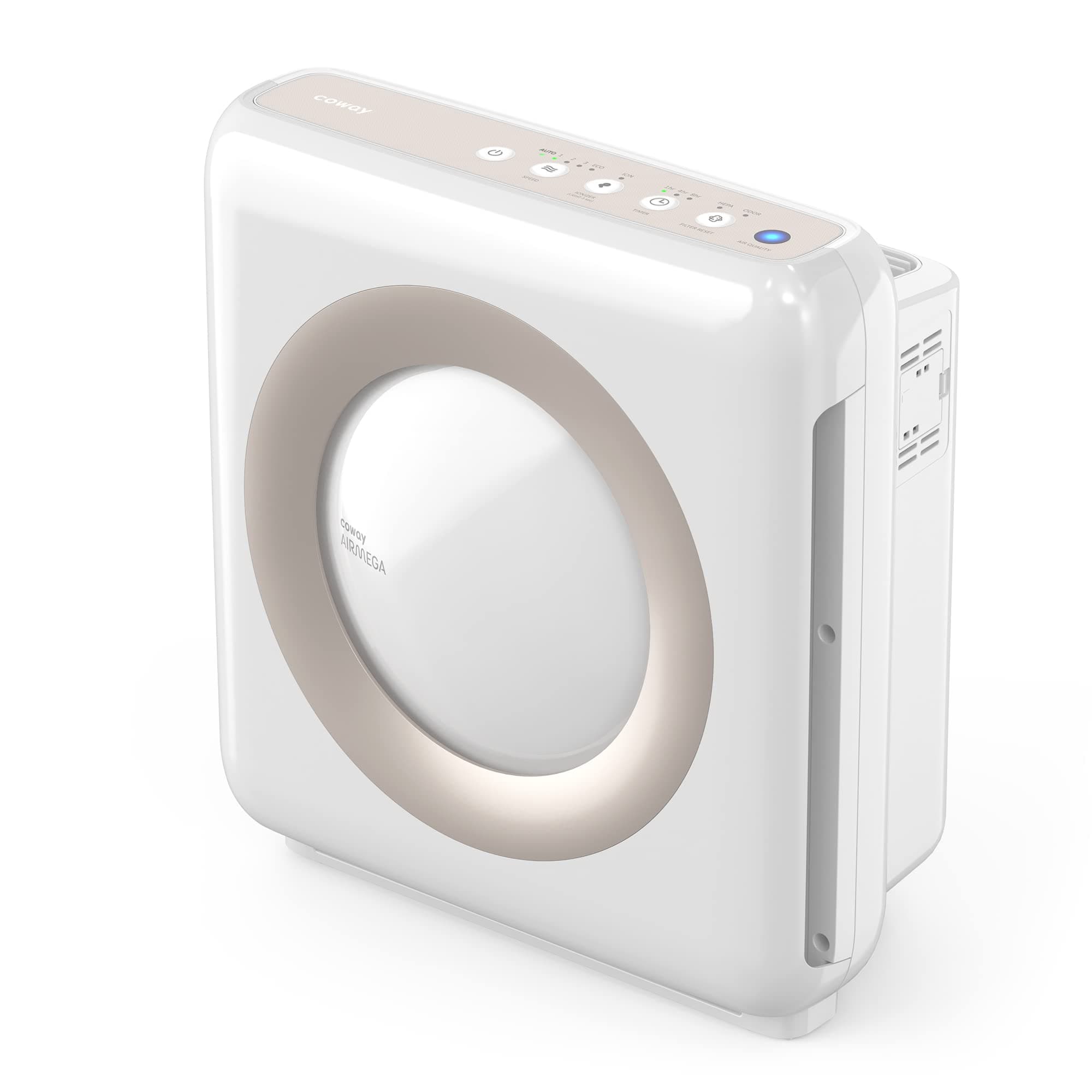
This unit offers significantly superior performance, boasting a CADR Smoke of 328.0 and a vast coverage of 1,560 sq. ft., directly addressing major air quality concerns compared to the PuroAir's problematic 0.0 CADR Smoke and actual 416.67 sq. ft. coverage. While priced higher at $638.65 versus $259.99, the Coway justifies its cost with True HEPA filtration for 0.01-micron particles, Energy Star certification, and effective VOC reduction. The PuroAir 400 is only a better pick for those with a very limited budget who prioritize a lower upfront cost for basic filtration in a single small room, fully aware of its substantial performance compromises and discrepancies in advertised specifications.
Bottom Line: Coway AP-2015F Airmega 400 is the better choice. This unit offers significantly superior performance, boasting a CADR Smoke of 328.
In-Depth Analysis
How they compare in practice
The most striking difference between the Coway AP-2015F Airmega 400 and the PuroAir 400 lies in their core purification capabilities. The Coway unit boasts an impressive CADR Smoke rating of 328.0, indicating its robust ability to clear smoke particles, coupled with an extensive coverage area of 1,560 sq. ft. This makes it suitable for open-plan living spaces or multiple rooms. In stark contrast, the PuroAir 400 lists a CADR Smoke of 0.0, which is highly concerning for a product advertised to filter smoke and pollutants, severely undermining its effectiveness in combating smoke, and its actual effective coverage is a mere 416.67 sq. ft., a significant discrepancy from its advertised 2,000 sq. ft. claim. This implies the Coway is built for serious, comprehensive air purification across large areas, while the PuroAir struggles even with basic performance metrics.Beyond raw coverage, the filtration quality and smart features differentiate these two. The Coway Airmega 400 utilizes "True HEPA" filtration, capable of capturing 99.999% of particles as small as 0.01 microns, alongside effectively reducing 99% of VOCs and odors. It features an intelligent smart sensor that automatically adjusts fan speed and multiple energy conservation modes, earning it an Energy Star certification. The PuroAir 400, while also having a smart sensor and a 3-layer HEPA filtration system, only claims to remove "up to 99.9% of pollutants." The lack of "True HEPA" designation and the 0.0 CADR for smoke suggest a less advanced or less rigorously tested filtration mechanism, making its efficacy for critical airborne pollutants questionable.The price point is a major divergence: the Coway is $638.65, while the PuroAir is $259.99. This substantial price gap reflects the performance chasm. The Coway AP-2015F offers premium features, certified performance, and genuine large-space coverage, providing high value for those prioritizing comprehensive air quality and willing to invest. Its 22 dB minimum noise level ensures quiet operation. The PuroAir, despite its lower cost, presents a questionable value proposition due to its misleading coverage claims and non-existent CADR Smoke rating. While it might appeal to budget-conscious buyers seeking an entry-level air purifier for a small, non-demanding space, buyers must be aware they are compromising significantly on actual performance and reliability. The Coway, while heavier at 24.7 lbs, is designed for set-and-forget operation in a primary living area, whereas the PuroAir feels more like a stopgap for a small bedroom with less critical air quality needs.
Key Differences
The most significant spec differences at a glance
Cadr Smoke
100% moreCoverage Sq Ft
274% moreAdvantages
Where each product wins

Coway
- Cadr Smoke: 100% higher (328.0 vs 0.0)
- Coverage Sq Ft: 274% higher (1560.0 vs 416.67)
Which to Pick for Your Situation
Concrete scenarios with a clear recommendation
For large open-plan living spaces or multiple rooms
CowayThe Coway Airmega 400 covers an expansive 1,560 sq. ft. with a CADR Smoke of 328.0, ensuring comprehensive air purification across larger areas.
For tight budgets seeking basic air filtration
PuroAirThe PuroAir 400 is significantly more affordable at $259.99, making it accessible for those needing basic filtration in a small single room, despite its lower performance.
For individuals highly sensitive to airborne particles and VOCs
CowayCoway's True HEPA filter captures 99.999% of 0.01-micron particles and reduces 99% of VOCs, offering superior protection for sensitive users.
For a small bedroom where quiet operation is paramount
CowayWhile PuroAir claims quiet operation, Coway specifies a minimum noise level of 22 dB, ensuring an exceptionally peaceful environment in quiet modes.
Who Should Buy Which?
Find the right product for your needs

Buy Coway if...
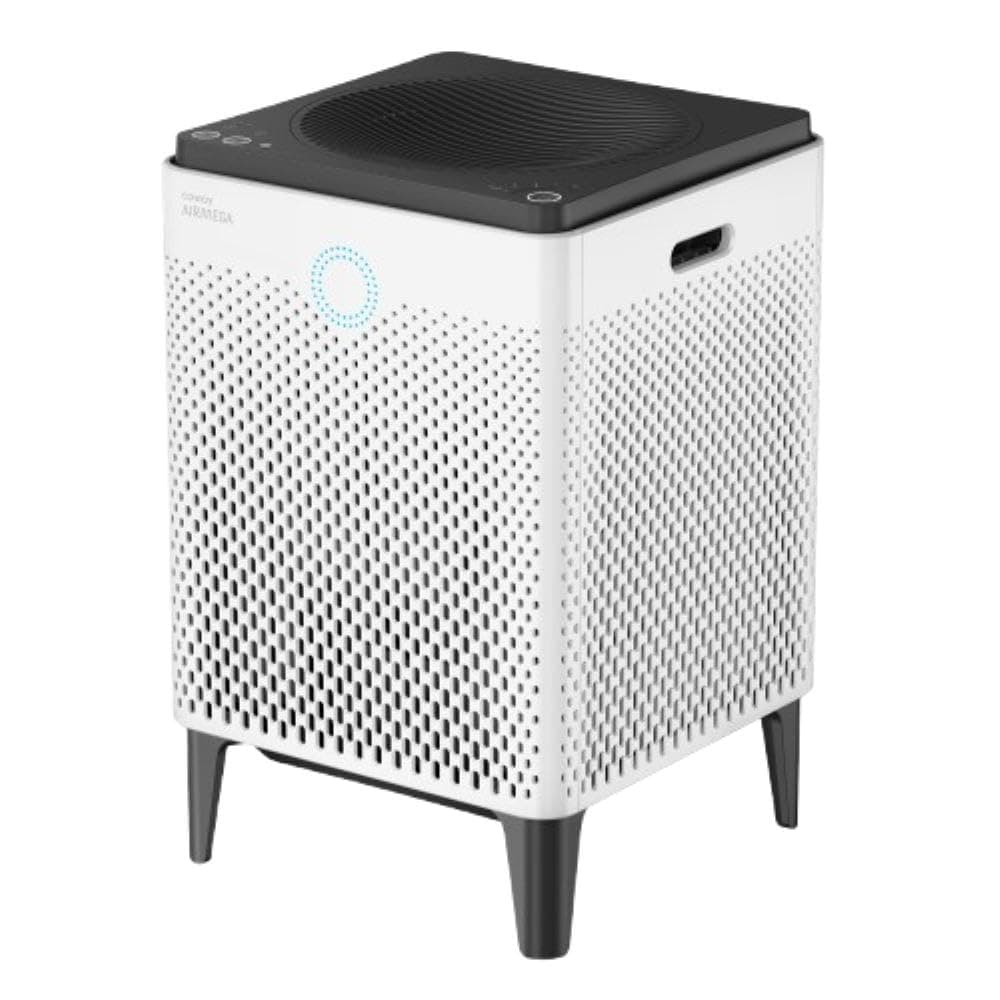
Coway AP-2015F Airmega 400
The ideal buyer for the Coway AP-2015F Airmega 400 is an individual or family prioritizing comprehensive, certified air purification for a large home, open-concept living space, or even multiple rooms. They are willing to invest in premium performance and advanced features, understanding that superior air quality contributes directly to health and well-being. This buyer likely faces challenges like seasonal allergies, pet dander, or lives in an area where wildfire smoke or urban pollution is a concern, demanding robust filtration. They value verified performance metrics, specifically appreciating the impressive CADR Smoke of 328.0 and the unit's ability to cover an extensive 1,560 sq. ft. efficiently. Smart technology is a key draw, as they desire an air purifier that intelligently monitors air quality and automatically adjusts fan speed, paired with multiple energy conservation modes that earn its Energy Star certification. While the $638.65 price tag represents a significant investment, they view it as a long-term solution, offering peace of mind with its True HEPA filtration capturing 99.999% of 0.01-micron particles and reducing 99% of VOCs. They are not deterred by its 24.7 lbs weight, as it's generally a set-and-forget appliance. This buyer is not sacrificing anything essential that Product B offers, as B's primary advantage is its lower upfront cost, a factor secondary to the Coway buyer's priority for unmatched performance and reliability.

Buy PuroAir if...
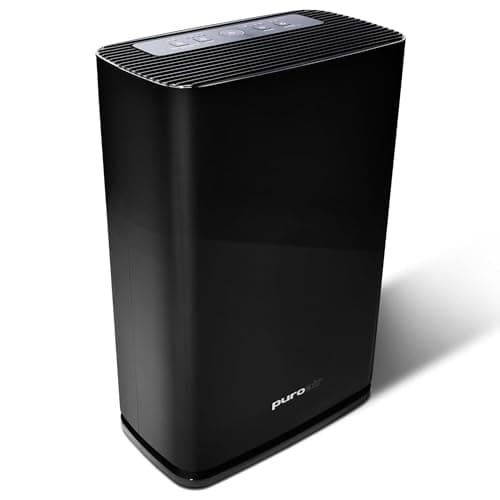
PuroAir 400 HEPA Air
The ideal buyer for the PuroAir 400 is someone extremely budget-conscious who needs a basic air purifier for a very small, clearly defined space, and is not overly concerned with certified high-performance metrics or advanced features. They might be looking for an inexpensive unit for a small bedroom, office, or dorm room, primarily to tackle common dust and pollen, rather than severe smoke or widespread VOCs. Their priority is the lowest possible upfront cost, making the $259.99 price point highly attractive. They appreciate the presence of a smart sensor and a sleep mode for quiet operation, even if specific noise levels aren't provided. This buyer accepts the trade-off of potentially lower actual performance, particularly the stated 0.0 CADR Smoke and the true coverage of 416.67 sq. ft. (significantly less than advertised), because their needs are minimal and their budget dictates the purchase. They are seeking a simple, compact solution without the bells and whistles of a premium unit, understanding that "HEPA" filtration is generally better than nothing, but not expecting the rigorous purification of a "True HEPA" system. They are giving up comprehensive large-area coverage, superior fine particle filtration, and verifiable performance guarantees offered by the Coway, but these are not critical to their specific, limited use case.
Spec Comparison
8 specs compared
| Specification |  |  |
|---|---|---|
| Price | $649 | $260 |
| Rating | 4.4(6.5k) | 4.5(16.4k) |
| Cadr Smoke | 328 | 0 |
| Coverage Sq Ft | 1560 | 416.67 |
| Noise Level db Min | 22 dB | — |
| Weight | 24.7 lbs | — |
| Energy Star | Yes | — |
| Filter Type | True HEPA | HEPA |
| Smart Sensor | Yes | Yes |
| Noise Level db Max | 52 dB | — |
Swipe horizontally to see all columns
Pros & Cons
Quick overview of strengths and weaknesses
Coway AP-2015F Airmega
- Covers 1,560 sq. ft. in 30 minutes.
- Filters 99.999% of 0.01-micron airborne particles.
- Reduces 99% of VOCs and odors effectively.
- Automatically adjusts fan speed to optimize air quality.
- Maximum noise level reaches 52 dB.
- Requires periodic filter replacement and cleaning.
- Unit weighs 24.7 lbs.
PuroAir 400 HEPA
- 3-layer filtration system removes 99.9% of pollutants
- Filters dust, pollen, pet dander, smoke, and VOCs
- Smart sensor monitors air and adjusts fan speed
- Quiet operation with dedicated sleep mode
- Smoke CADR listed as 0.0, despite filtration claims
- Effective coverage 416 sq ft, not advertised 2000 sq ft
Frequently Asked Questions
Common questions about this comparison
How large of an area can the Coway Airmega 400 effectively purify?
The Coway AP-2015F Airmega 400 is designed to effectively purify spaces up to 1,560 sq. ft., delivering clean air efficiently even in large rooms or open-plan layouts.
Does the PuroAir 400 genuinely filter smoke?
Despite claims, the PuroAir 400 lists a CADR Smoke of 0.0 in its specifications, which strongly suggests it is not effective for removing smoke particles.
What is the noise level of the Coway AP-2015F Airmega 400?
The Coway Airmega 400 operates quietly, with a minimum noise level of just 22 dB, comparable to a whisper. Its maximum noise level is 52 dB.
Is the Coway Airmega 400 energy efficient?
Yes, the Coway AP-2015F Airmega 400 is Energy Star certified and features multiple modes for energy conservation, helping to reduce electricity consumption.
What is the actual coverage area of the PuroAir 400, despite its 2000 sq ft claim?
Based on standard ACH (Air Changes per Hour) calculations for HEPA purifiers, the PuroAir 400's effective coverage is approximately 416.67 sq. ft., significantly less than its advertised 2,000 sq. ft.
How does Coway's filtration compare to PuroAir's for fine particles?
The Coway Airmega 400 uses True HEPA filtration, capturing 99.999% of particles down to 0.01 microns. PuroAir uses HEPA, filtering "up to 99.9% of pollutants," which is a less precise and potentially less effective claim for ultra-fine particles.
Related Comparisons
Similar products people compare
Honeywell vs PuroAir
$260 vs $260
Honeywell vs PuroAir
$241 vs $260
Coway vs Dyson
$649 vs $579
Coway vs Coway
$749 vs $649
Coway vs Dyson
$649 vs $454
PuroAir vs Shark
$260 vs $320
Dreo vs PuroAir
$297 vs $260
BLUEAIR vs PuroAir
$345 vs $260
Coway vs Dyson
$649 vs $526
LEVOIT vs PuroAir
$250 vs $260
Coway vs Nuwave
$649 vs $630
Coway vs PuroAir
$230 vs $260
Coway vs LEVOIT
$649 vs $250
BLUEAIR vs Coway
$320 vs $649
Coway vs Dyson
$649 vs $500
Explore Other Categories
Popular comparisons across the site



Ask AI
Get instant answers about specs
Get the Deets
Ask our AI assistant
Ask Deets anything!