Multi-Cat Litter Box Calculator
How many boxes you actually need — by the N+1 rule, scaled for multi-floor homes and big cats.
Most cat owners underestimate how many litter boxes a multi-cat household actually needs. The default assumption — "one box per cat" — comes from the era of single-cat suburban homes and doesn't scale. Cats are territorial about elimination, and even bonded cats will reject a box another cat just used. The well-validated rule is N+1: one box per cat, plus one extra. With two cats, you need three boxes. With four, you need five.
The N+1 rule was developed by the American Association of Feline Practitioners and is the single best predictor of avoiding litter-box behavioral issues — peeing outside the box, spraying, and chronic stress that shows up as UTIs and over-grooming. Vets consistently find that "behavioral" litter problems disappear when households add boxes. It's the cheapest behavior fix in feline medicine.
This calculator extends the rule for two factors the original doesn't cover. Multi-floor homes need at least one box per floor — senior cats and kittens won't reliably make the climb, and even healthy cats avoid stairs when stressed. Self-cleaning boxes count as roughly 2 traditional boxes because cleanliness is the actual variable cats care about, not physical box count. We also match you with self-cleaning units that fit your cats' weight — many popular models cap at 15 lbs and silently fail for Maine Coons, ragdolls, or overweight cats.
Floors in your home
Boxes you need
Traditional litter boxes
3
Vet rule: N + 1 for 2 cats.
Self-cleaning units (alternative)
1
Most self-cleaning boxes handle ~2 cats per unit comfortably. Still place units on each floor if you have multiple.
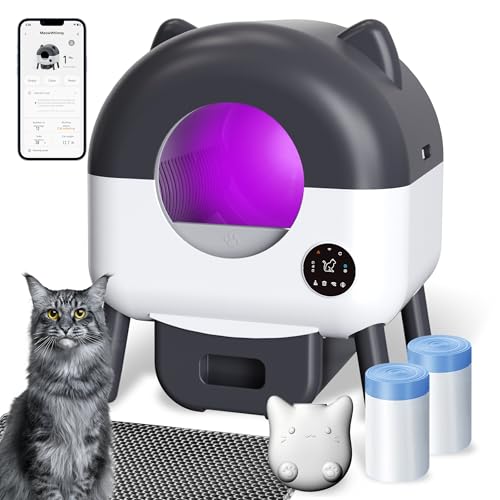
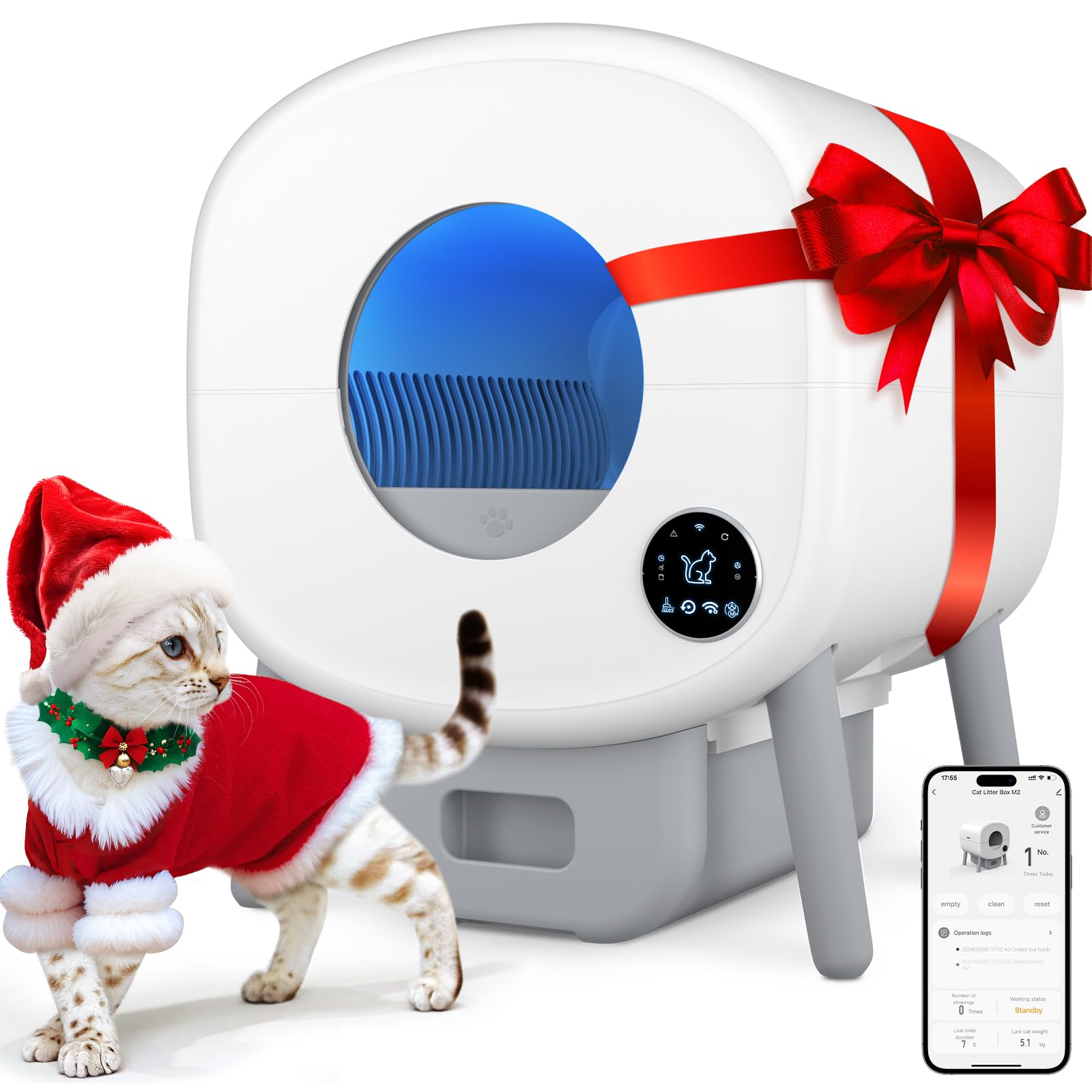
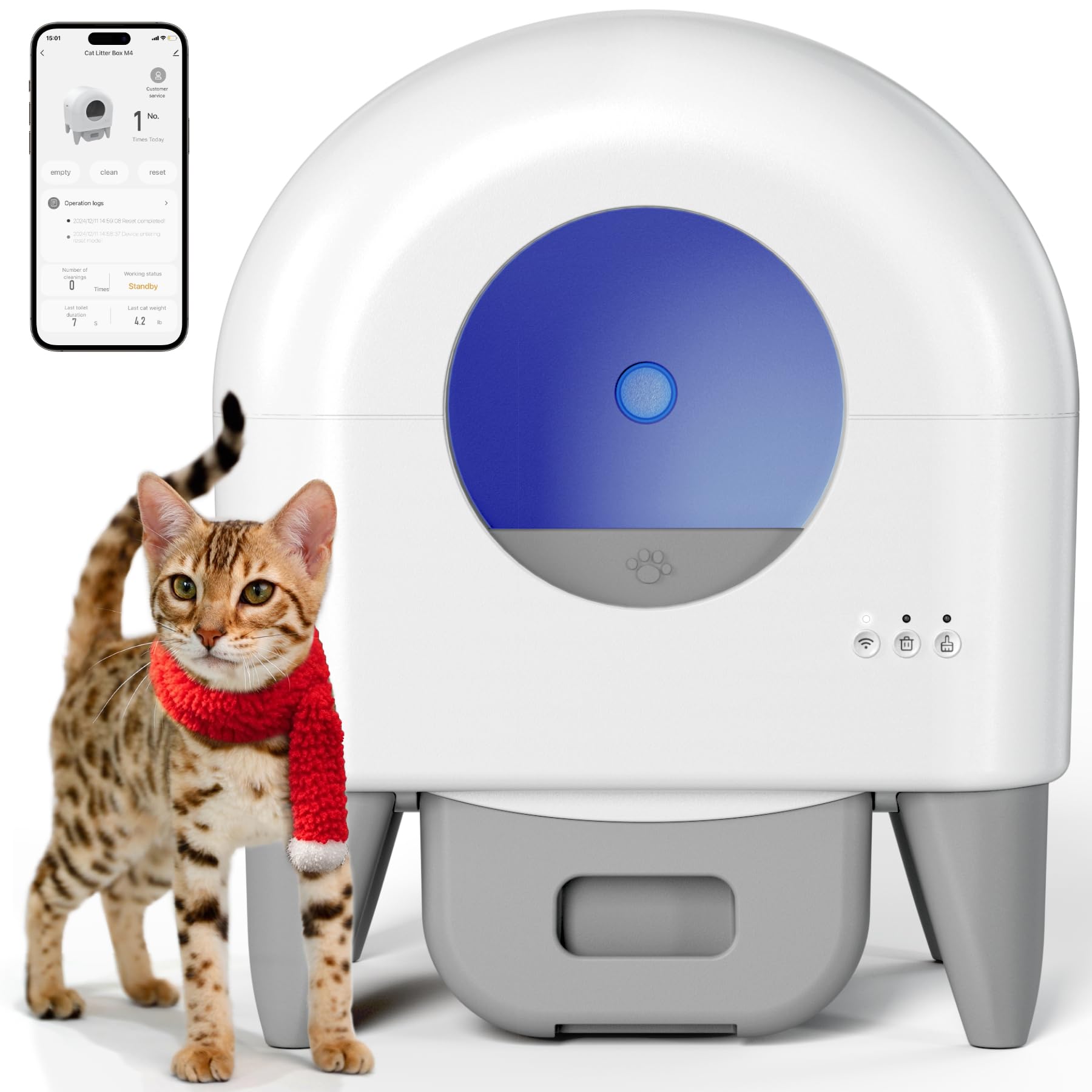
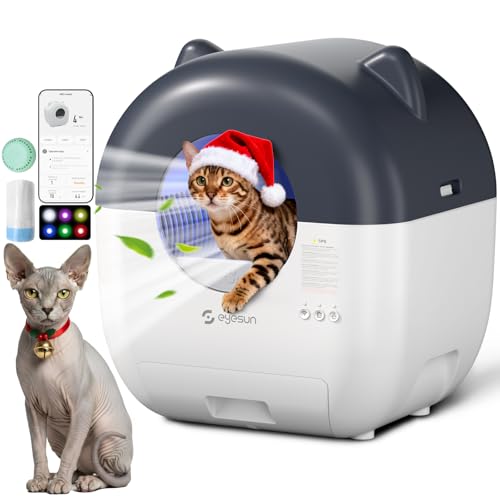
Top-rated self-cleaning litter boxes
How this works
Why N+1?
Veterinary behaviorists recommend one box per cat, plus one extra. Cats are territorial about elimination; having an extra option reduces stress, marking, and accidents outside the box. The "+1" also covers the cat who refuses to share, the box that gets temporarily dirty, and the cat who prefers to pee in one box and poop in another.
Does the rule apply to self-cleaning boxes?
A self-cleaning box is roughly equivalent to 2 traditional boxes because it's effectively always clean — the most common reason cats reject a box is residual smell from prior use. Most modern self-cleaning models comfortably handle 2 cats; 4+ cats benefit from 2 units even if those units are auto-cycling.
Do I need a box on every floor?
Yes — especially for senior cats, kittens, or in homes where stairs are a barrier. Add 1 box per additional floor beyond the main level. Cats with arthritis or kidney issues (common in 10+ year-olds) often won't make the climb, leading to accidents that get blamed on behavior rather than mobility.
What if my cat is large (15+ lbs)?
Many self-cleaning boxes have weight thresholds for their safety sensors. Look for "max cat weight 20+ lbs" on the spec sheet. Several popular models cap at 15 lbs and won't cycle for larger cats; the box becomes useless. Maine Coons, ragdolls, and overweight cats all hit this ceiling.
How often does the waste drawer need emptying?
A 4-cat household fills a typical 3.5L drawer in 4–7 days. Larger drawers (9L+) stretch to 2–3 weeks. Capacity matters less than cycle count — drawers can lock up if waste exceeds the sensor threshold even when not visually full.
Is the WiFi / app actually useful?
Yes, more than expected. App alerts catch problems early (a cat avoiding a box, a sudden litter weight change indicating GI issues, sensor errors when traveling). Multi-cat households benefit most because the app distinguishes which cat used the box by weight.
What about kittens and elderly cats?
Kittens under 5 lbs may not trigger the safety sensor and can't use a self-cleaning box safely until they grow. Use a traditional box for kittens and elderly mobility-limited cats. Add the auto box as supplemental, not primary, until the cat is consistently >5 lbs and agile.
Litter type recommendations?
Self-cleaning boxes need clumping clay litter (most common) or specific crystal litters per the manufacturer. Pine, paper, and walnut litters don't clump correctly and will jam the cycling mechanism. Read your box's spec sheet for the exact litter spec — using the wrong type voids the warranty.