Our Verdict
Shark IQ App-Controlled Self-Emptying Robot Vacuum Wins
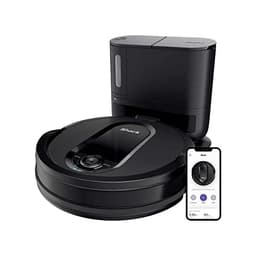
This robot vacuum stands out with its powerful 2700 Pa suction, ensuring thorough cleaning of varied debris and pet hair, combined with the unparalleled convenience of a self-emptying base with a 30-day capacity. At $168.95, it offers a superior set of core cleaning and maintenance features compared to the iRobot Roomba 105. The Roomba 105, priced at $149.00, is the better pick for users prioritizing advanced LiDAR navigation and explicit obstacle avoidance in complex environments, provided they are comfortable with manual dustbin emptying and its unspecified (listed as 0 Pa) suction power.
Bottom Line: Shark IQ App-Controlled Self-Emptying Robot Vacuum is the better choice. This robot vacuum stands out with its powerful 2700 Pa suction, ensuring thorough cleaning of varied debris and pet hair, combined with the unparalleled convenience of a self-emptying base with a 30-day capacity.
In-Depth Analysis
How they compare in practice
The Shark IQ and iRobot Roomba 105 represent distinct approaches to automated home cleaning, each with particular strengths that cater to different user priorities. The most significant differential lies in their core cleaning capabilities and maintenance. The Shark IQ boasts a robust 2700 Pa suction power, a concrete figure that promises effective deep cleaning, especially for pet hair and embedded dirt in carpets. In contrast, the Roomba 105's suction power is unspecified (listed as 0 Pa), despite its description of 'Intense Power-Lifting Suction.' This numerical disparity suggests the Shark will likely outperform the Roomba in raw debris collection, making it a stronger contender for homes with heavy foot traffic or shedding pets.
Another critical distinction is the self-emptying mechanism. The Shark IQ includes a self-emptying base that stores up to 30 days of debris, drastically reducing manual interaction and enhancing convenience. This feature alone can be a game-changer for busy households or those with allergies. The Roomba 105, while commendably priced lower, lacks this convenience, requiring users to manually empty the dustbin after each (or every few) cleaning cycles, which can be a notable drawback for users seeking maximum autonomy.
However, the Roomba 105 does counter with a superior navigation system. Its LiDAR mapping technology allows for precise, systematic cleaning in neat rows, providing more efficient coverage and reliable mapping, even in low-light conditions where the Shark IQ's camera navigation might struggle. The Roomba also explicitly highlights obstacle avoidance, which contributes to its ability to navigate complex environments without getting stuck. While the Shark offers app control for targeted cleaning, the Roomba's LiDAR-powered custom zones and better obstacle handling offer a more sophisticated mapping experience. Ultimately, the trade-off is between the Shark's powerful cleaning and self-emptying convenience versus the Roomba's advanced navigation and obstacle avoidance, with the Shark generally providing more fundamental cleaning utility for the slight price increase.
Key Differences
The most significant spec differences at a glance
Suction Power
100% moreAdvantages
Where each product wins

Shark
- Suction Power: 100% higher (2700.0 vs 0)
Which to Pick for Your Situation
Concrete scenarios with a clear recommendation
For busy individuals seeking minimal interaction
SharkThe Shark IQ's self-emptying base with a 30-day capacity significantly reduces the frequency of manual dustbin emptying, offering unparalleled convenience.
For homes with pets and heavy shedding
SharkWith 2700 Pa suction power and a self-cleaning brush roll, the Shark IQ is exceptionally well-equipped to handle pet hair and varied debris.
For complex home layouts or low-light conditions
iRobotThe Roomba 105's LiDAR navigation ensures thorough coverage and precise mapping, performing consistently even in the dark, unlike camera-based systems.
For budget-conscious buyers prioritizing smart navigation
iRobotAt $149.00, the Roomba 105 offers advanced LiDAR mapping and obstacle avoidance at a lower price point, making it a good value for navigation.
Who Should Buy Which?
Find the right product for your needs

Buy Shark if...
Shark IQ App-Controlled Self-Emptying
The Shark IQ App-Controlled Self-Emptying Robot Vacuum is an excellent choice for individuals or families who prioritize powerful cleaning performance and ultimate convenience. This buyer typically lives in a home with pets, demands thorough removal of pet hair and deep-seated dirt from various floor types, and values minimal interaction with their cleaning appliance. They are likely busy professionals or those who simply prefer to automate as much of their household chores as possible. Key specs like its robust 2700 Pa suction power ensure that even stubborn debris and pet dander are effectively collected, while the 30-day self-emptying base means they rarely have to think about manually emptying the dustbin. The self-cleaning brush roll is another significant benefit, preventing hair tangles and further reducing maintenance. This ideal buyer is willing to spend slightly more ($168.95) to gain these significant upgrades in cleaning efficacy and hands-free operation, accepting that its camera navigation might not be as precise as LiDAR in all scenarios.

Buy iRobot if...
iRobot Roomba 105 Vac
The iRobot Roomba 105 Vac Robot Vacuum is perfectly suited for the budget-conscious consumer who highly values smart, efficient navigation and obstacle handling over self-emptying convenience or a numerically specified high suction power. This buyer often lives in a home with a more complex layout, numerous furniture pieces, or areas that are prone to clutter, where the robot's ability to map accurately and avoid getting stuck is paramount. They appreciate the Roomba's LiDAR navigation, which allows it to clean in neat rows and manage custom cleaning zones through the app, ensuring comprehensive coverage without repeated passes. Its explicit obstacle avoidance is a critical feature for them, reducing the need to 'prep' the house before cleaning. At $149.00, it offers excellent value for its advanced mapping capabilities. This buyer is content with manually emptying the dustbin, possibly every few runs, and trusts Roomba's reputation for 'Intense Power-Lifting Suction,' despite the lack of a specific Pa rating, understanding they are trading off self-emptying for a lower price and superior navigational intelligence.
Spec Comparison
6 specs compared
| Specification |  |  |
|---|---|---|
| Price | $169 | $159 |
| Rating | 4.0(5.5k) | 4.3(31.3k) |
| Suction Power Pa | 2700 | 0 |
| Navigation Type | camera | LiDAR |
| Self Emptying Base | Yes | — |
| App Control | Yes | Yes |
| Model Number | UR1000SR | Q312020 |
| Obstacle Avoidance | — | Yes |
Swipe horizontally to see all columns
Pros & Cons
Quick overview of strengths and weaknesses
Shark IQ App-Controlled
- 30-day self-empty capacity reduces maintenance
- 2700 Pa suction for varied debris, pet hair
- Self-cleaning brush roll prevents hair tangles
- App control enables targeted room cleaning
- Camera navigation may struggle in low light
- Requires regular filter and sensor maintenance
- Does not specify advanced object avoidance
iRobot Roomba 105
- High suction tackles tough dirt effectively.
- LiDAR mapping ensures thorough home coverage.
- Avoids obstacles and prevents stair falls.
- App allows custom zones and cleaning schedules.
- Requires 2.4 GHz Wi-Fi for setup and operation.
- Lacks an auto-emptying dustbin.
- No wet mopping functionality.
Frequently Asked Questions
Common questions about this comparison
Which robot vacuum offers stronger suction power?
The Shark IQ features a powerful 2700 Pa suction, ideal for deep cleaning. The iRobot Roomba 105's suction power is described as 'Intense Power-Lifting Suction' but is listed as 0 Pa in its specifications, making a direct numerical comparison difficult.
Does either robot vacuum have a self-emptying feature?
Yes, the Shark IQ comes with a self-emptying base that can hold up to 30 days of dirt and debris. The iRobot Roomba 105 does not include an auto-emptying dustbin.
How do these vacuums navigate around the home?
The Shark IQ uses camera-based navigation for mapping. The iRobot Roomba 105 employs more advanced LiDAR navigation, which allows for precise mapping and cleaning in neat, efficient rows.
Which model is better for avoiding obstacles?
The iRobot Roomba 105 explicitly states obstacle avoidance as a feature, using its LiDAR system to navigate around furniture and prevent falls, making it superior for cluttered environments.
Is there a price difference between the two models?
Yes, the Shark IQ is priced at $168.95 (renewed), while the iRobot Roomba 105 is slightly more affordable at $149.00.
Related Comparisons
Similar products people compare
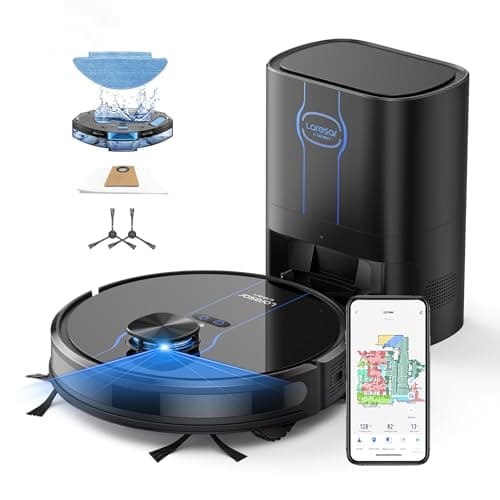
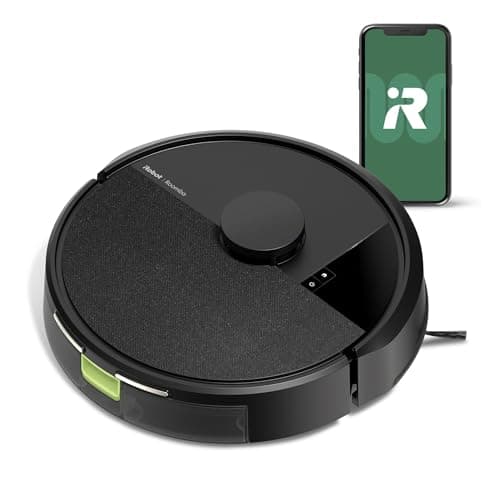
Laresar Clean vs iRobot
$210 vs $159
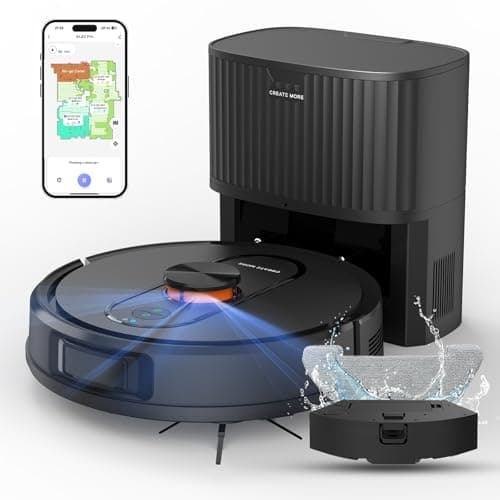
eitton vs iRobot
$250 vs $159
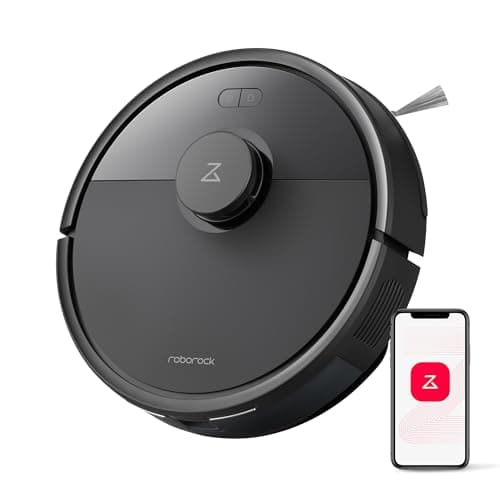
iRobot vs roborock
$159 vs $250
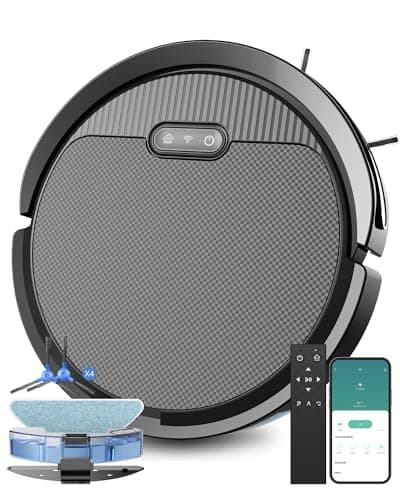
Pureatic vs iRobot
$160 vs $159
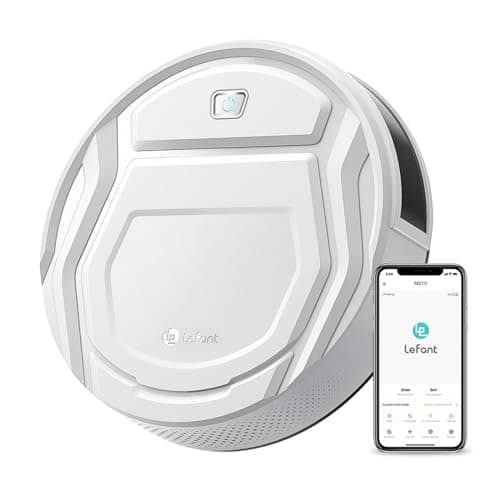
Lefant vs iRobot
$150 vs $159
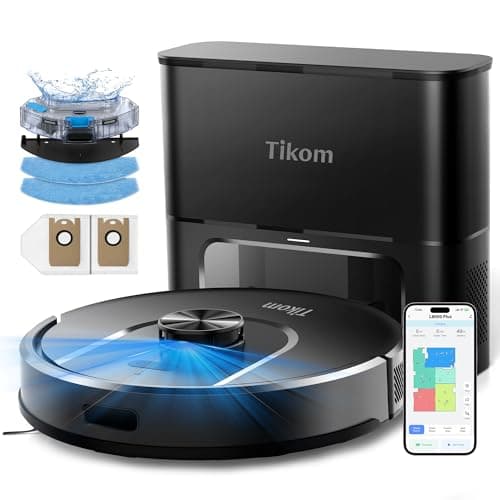
Tikom vs iRobot
$220 vs $159
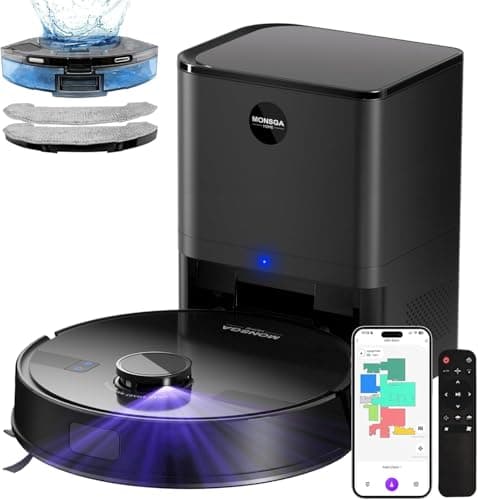
MONSGA vs iRobot
$146 vs $159
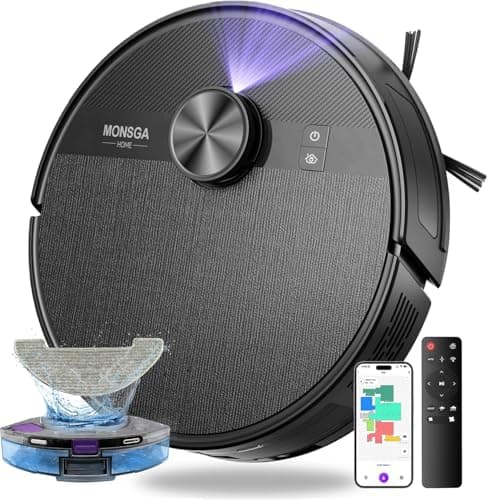
MONSGA vs iRobot
$160 vs $159
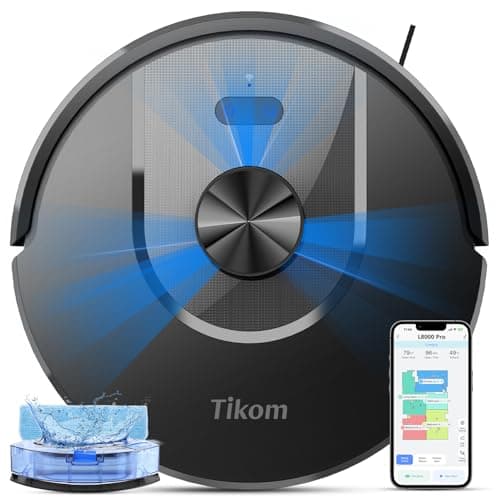
Tikom vs iRobot
$200 vs $159
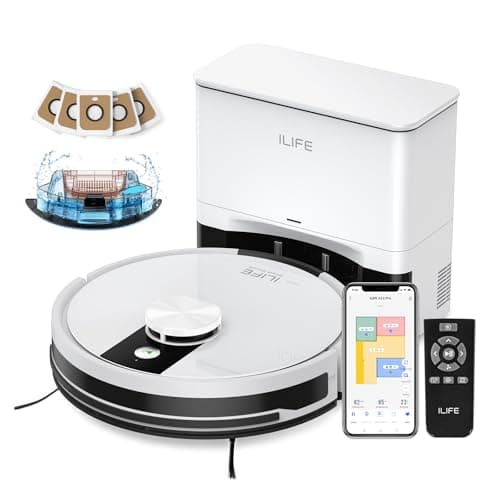
ILIFE vs iRobot
$220 vs $159
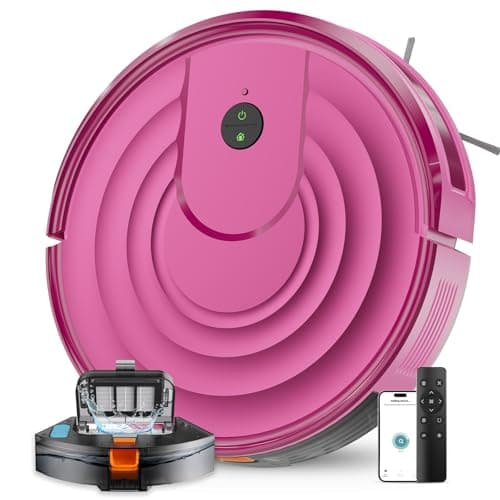
MBYULO vs iRobot
$170 vs $159
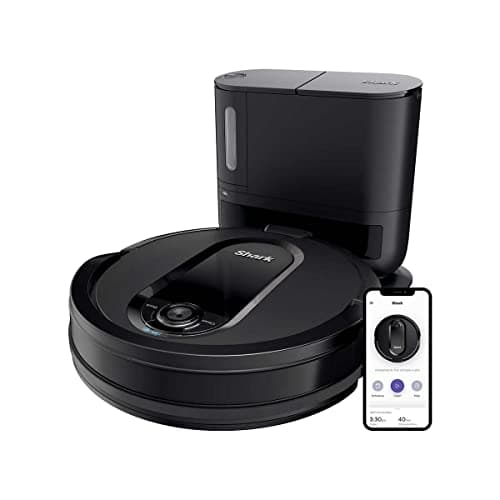
Pureatic vs Shark
$160 vs $169
MBYULO vs Shark
$170 vs $169
Shark vs eufy
$169 vs $170
MONSGA vs Shark
$146 vs $169
Explore Other Categories
Popular comparisons across the site


Ask AI
Get instant answers about specs
Get the Deets
Ask our AI assistant
Ask Deets anything!