Our Verdict
GRECELL Solar Generator with 40W Solar Panel (Product B) Wins
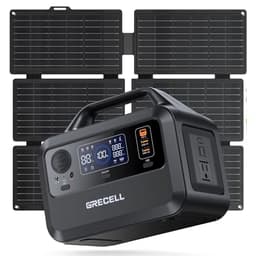
While both units offer an identical 230Wh LiFePO4 capacity and 300W AC output, Product B's inclusion of a 40W solar panel and a higher 200W solar input capacity for an additional $90 significantly enhances its versatility and long-term value for off-grid power compared to Product A's $99.98 power station alone. Product A is the better pick only if budget is the absolute priority and reliance is solely on wall charging, leveraging its 2.5-hour AC charge time against Product B's 4.5 hours.
Bottom Line: GRECELL Solar Generator with 40W Solar Panel (Product B) is the better choice. While both units offer an identical 230Wh LiFePO4 capacity and 300W AC output, Product B's inclusion of a 40W solar panel and a higher 200W solar input capacity for an additional $90 significantly enhances its versatility and long-term value for off-grid power compared to Product A's $99.
In-Depth Analysis
How they compare in practice
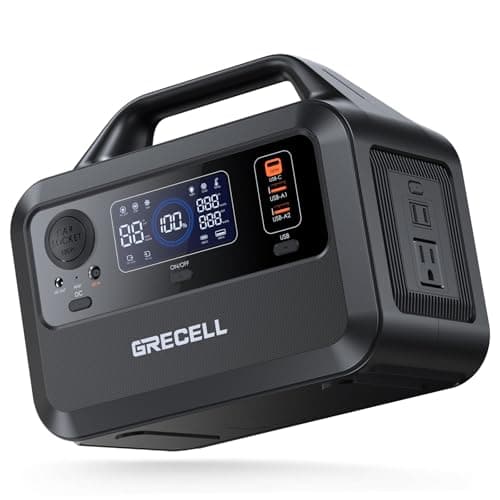
These two GRECELL portable power stations share a foundational design, both leveraging a 230Wh LiFePO4 battery and delivering 300W of continuous AC output with a 600W peak, making them suitable for powering small electronics and appliances. The core difference, however, lies in their charging ecosystems and overall value proposition. Product A, priced at $99.98, focuses on a fast 2.5-hour AC wall charge, positioning it as a quick-recharge battery backup for home use or short trips where a wall outlet is readily available.
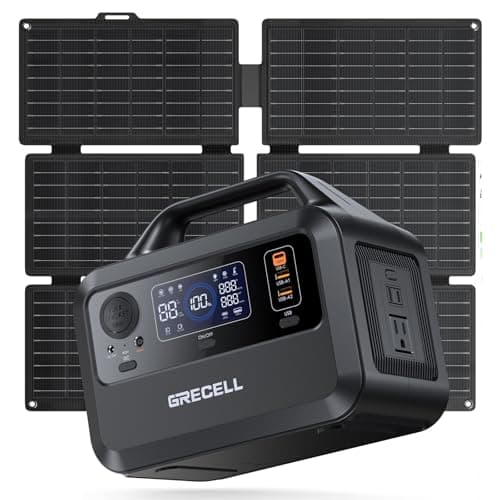
Product B, at $189.98, transforms into a true 'solar generator' with the inclusion of a 40W portable solar panel and a significantly higher 200W solar input capability, compared to Product A's 60W. While its AC charge time is slower at 4.5 hours, the bundled solar panel allows immediate off-grid charging right out of the box, offering energy independence. For users venturing into camping, RV life, or preparing for extended outages, Product B provides a complete, sustainable power solution, even though the included 40W panel will charge the 230Wh unit in roughly 5-6 hours under ideal sunlight.
The trade-off is clear: Product A is for the budget-conscious user prioritizing rapid AC charging for occasional needs, while Product B caters to those who value self-sufficiency and sustainable power generation, justifying the higher upfront cost for the included solar panel and superior solar charging infrastructure. Both units offer the longevity of LiFePO4 chemistry and multiple output ports, but Product B’s emphasis on solar integration makes it the more comprehensive and flexible choice for outdoor and emergency preparedness scenarios where wall power isn't guaranteed.
Key Differences
The most significant spec differences at a glance
Charge Time
44% lessSolar Input
70% lessAdvantages
Where each product wins

GRECELL
- Charge Time: 44% lower (2.5 vs 4.5)

GRECELL
- Solar Input: 70% higher (60 vs 200)
Which to Pick for Your Situation
Concrete scenarios with a clear recommendation
For budget-conscious occasional use
GRECELLProduct A is nearly half the price at $99.98, providing identical capacity and AC output for basic power needs without the added cost of solar. Its 2.5-hour AC charge time is also faster.
For extended off-grid camping or RV trips
GRECELLProduct B includes a 40W solar panel and boasts a 200W solar input, enabling sustainable recharging without relying on grid power. This offers true energy independence for longer durations.
For emergency home backup with quick recharge needs
GRECELLProduct A charges in 2.5 hours via AC, making it quicker to get back to full power after an outage, assuming grid power returns relatively quickly. Product B's 4.5-hour AC charge is slower.
For a complete, sustainable power solution out of the box
GRECELLProduct B comes with a 40W solar panel, providing a full solar generator setup immediately. This eliminates the need to purchase a panel separately, unlike Product A.
Who Should Buy Which?
Find the right product for your needs

Buy GRECELL if...
GRECELL Portable Power Station
The ideal buyer for the GRECELL Portable Power Station 300W (Product A) is someone prioritizing affordability and quick, convenient AC wall charging for essential power needs. This user might be an urban dweller seeking a reliable backup for small home electronics during short power outages, or a casual camper who only needs to top up devices like phones, laptops, or a small fan during weekend trips with access to AC power outlets. Their budget is tight at around $100, making the $99.98 price point highly attractive. They aren't looking for extensive off-grid capabilities or planning to invest in solar panels right away. The key specs that matter to them are the low cost and the rapid 2.5-hour AC charge time, ensuring the unit is quickly ready when needed. They are comfortable foregoing integrated solar charging and higher solar input capacity because their use cases primarily involve grid power.

Buy GRECELL if...
GRECELL Solar Generator with
The GRECELL Solar Generator with 40W Solar Panel (Product B) is designed for the outdoors enthusiast, the RV owner, or the preparedness-minded individual who values self-sufficiency and sustainable power generation. This buyer is willing to invest a bit more ($189.98) for a comprehensive solution that offers energy independence. Their daily use might involve multi-day camping trips, extended time in an RV, or being ready for longer power outages where grid power may not be quickly restored. The inclusion of a 40W portable solar panel, coupled with a robust 200W solar input capacity, are crucial specs for them, enabling continuous recharging from the sun. The 3000+ cycle life of the LiFePO4 battery further appeals to their long-term investment mindset. While its 4.5-hour AC charge time is slower than Product A, this user prioritizes the ability to generate power sustainably over rapid wall charging, understanding that the integrated solar panel provides immense value for their specific needs.
Spec Comparison
12 specs compared
| Specification |  |  |
|---|---|---|
| Price | $100 | $190 |
| Rating | 4.6(431) | 4.6(431) |
| Capacity Wh | 230W | 230W |
| Chemistry | LiFePO4 | LiFePO4 |
| AC Output Watts | 300W | 300W |
| Dc Ports | 2 | 2 |
| AC Outlets | 2 | 2 |
| USB A Ports | 2 | 2 |
| USB C Ports | 1 | 1 |
| Charge Time Hours | 2.5 hrs | 4.5 hrs |
| Peak Output Watts | 600W | 600W |
| Solar Input Watts | 60W | 200W |
| Cycle Life | — | 3000 |
| Weight | — | 9.92 lbs |
Swipe horizontally to see all columns
Pros & Cons
Quick overview of strengths and weaknesses
GRECELL Portable Power
- 1.5-hour rapid recharge with dual input.
- LiFePO4 battery offers extended cycle life.
- 300W AC output supports small electronics.
- Multiple ports power 7 devices simultaneously.
- 230Wh capacity limits extended runtime.
- Fast charge requires separately purchased USB-C input.
- 300W continuous output too low for power tools.
GRECELL Solar Generator
- 3000+ charge cycles ensures long battery life
- 300W AC output supports small electronics
- 4.5hr AC wall charge, 5hr 40W solar charge
- 7 output ports: 2 AC, 2 USB-A, 1 USB-C, 2 DC
- 230Wh capacity limits extended appliance run time
- Included 40W solar panel offers slow charging speed
- 300W continuous AC output insufficient for high power tools
Frequently Asked Questions
Common questions about this comparison
What is the key difference in charging capabilities?
Product A charges fully via AC in 2.5 hours and supports up to 60W solar input. Product B charges via AC in 4.5 hours, includes a 40W solar panel, and supports up to 200W solar input for faster solar charging if you upgrade.
Can these power stations run a small portable refrigerator?
With 300W continuous AC output, both can power most small portable refrigerators (typically 40-60W), but the 230Wh capacity means runtimes will be limited, likely 3-5 hours depending on fridge efficiency and cycling.
What type of battery do these GRECELL power stations use?
Both utilize LiFePO4 (Lithium Iron Phosphate) batteries. This chemistry offers superior cycle life (Product B explicitly states 3000+ cycles) and enhanced safety compared to traditional lithium-ion batteries, ensuring longer product longevity.
Is a solar panel included with either product?
Only Product B, the GRECELL Solar Generator with 40W Solar Panel, includes a 40W portable and foldable solar panel. Product A requires purchasing a solar panel separately to utilize its 60W solar input.
Are they suitable for powering power tools?
No, their 300W continuous AC output (600W peak) is generally insufficient for most power tools, which often require 700W or more. These are better suited for small electronics and appliances.
Related Comparisons
Similar products people compare
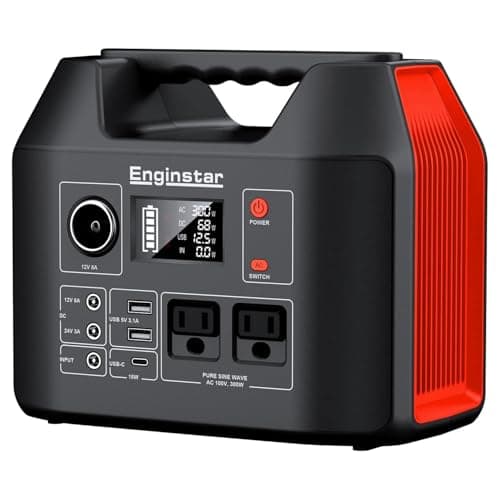
EnginStar vs GRECELL
$130 vs $100
GRECELL vs Jackery
$190 vs $449
GRECELL vs Jackery
$190 vs $299
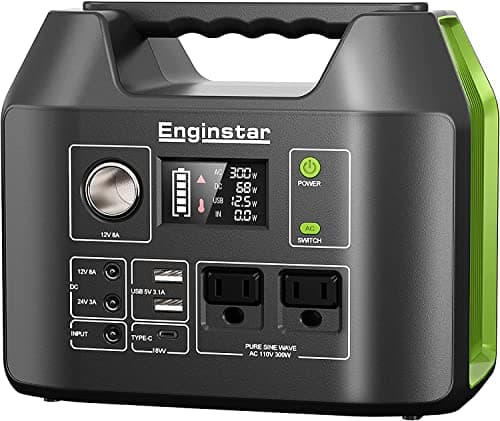
EnginStar vs GRECELL
$130 vs $100
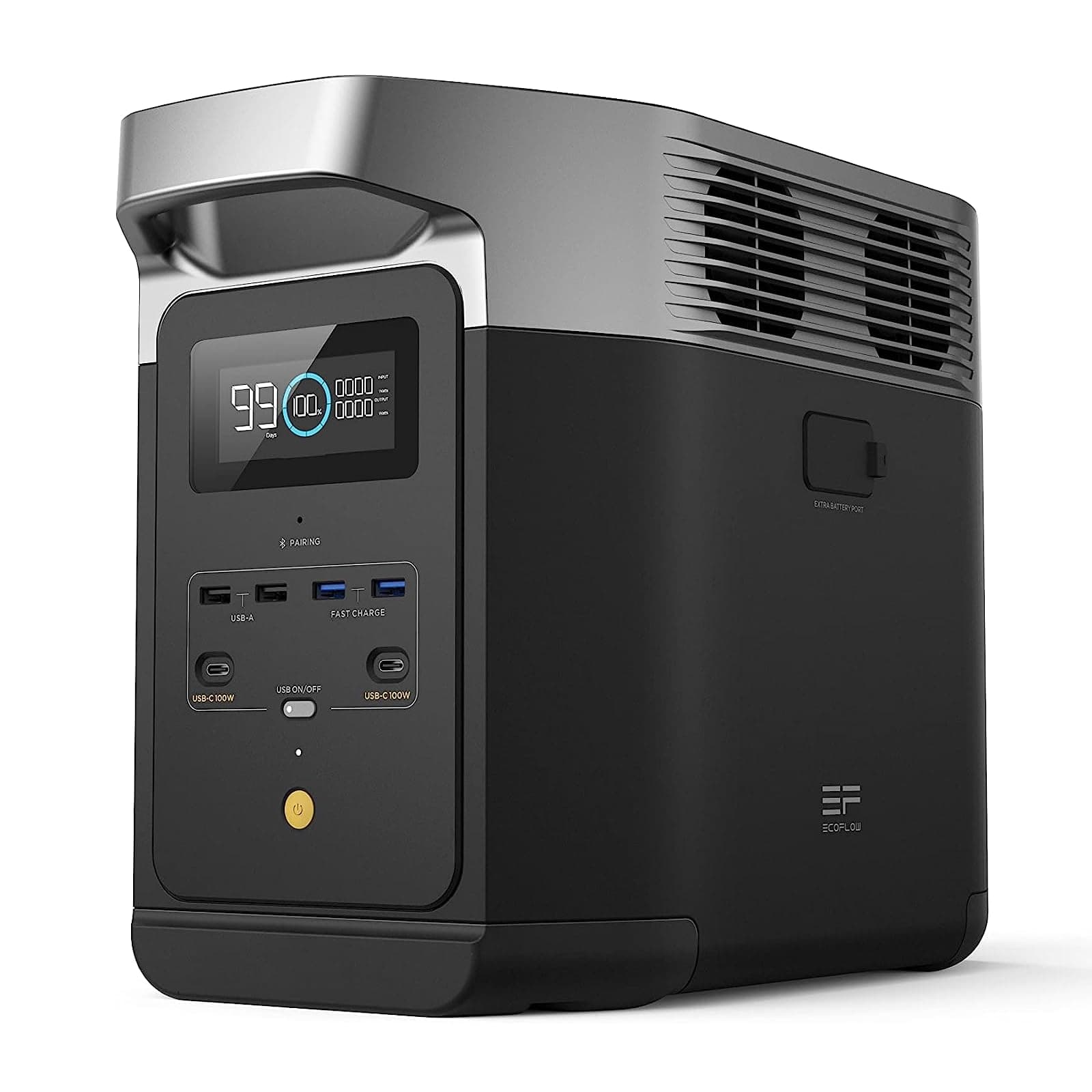
EF ECOFLOW vs GRECELL
$449 vs $190
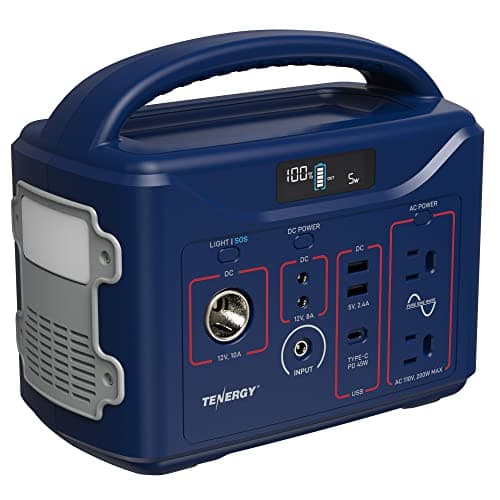
GRECELL vs Tenergy
$190 vs $180
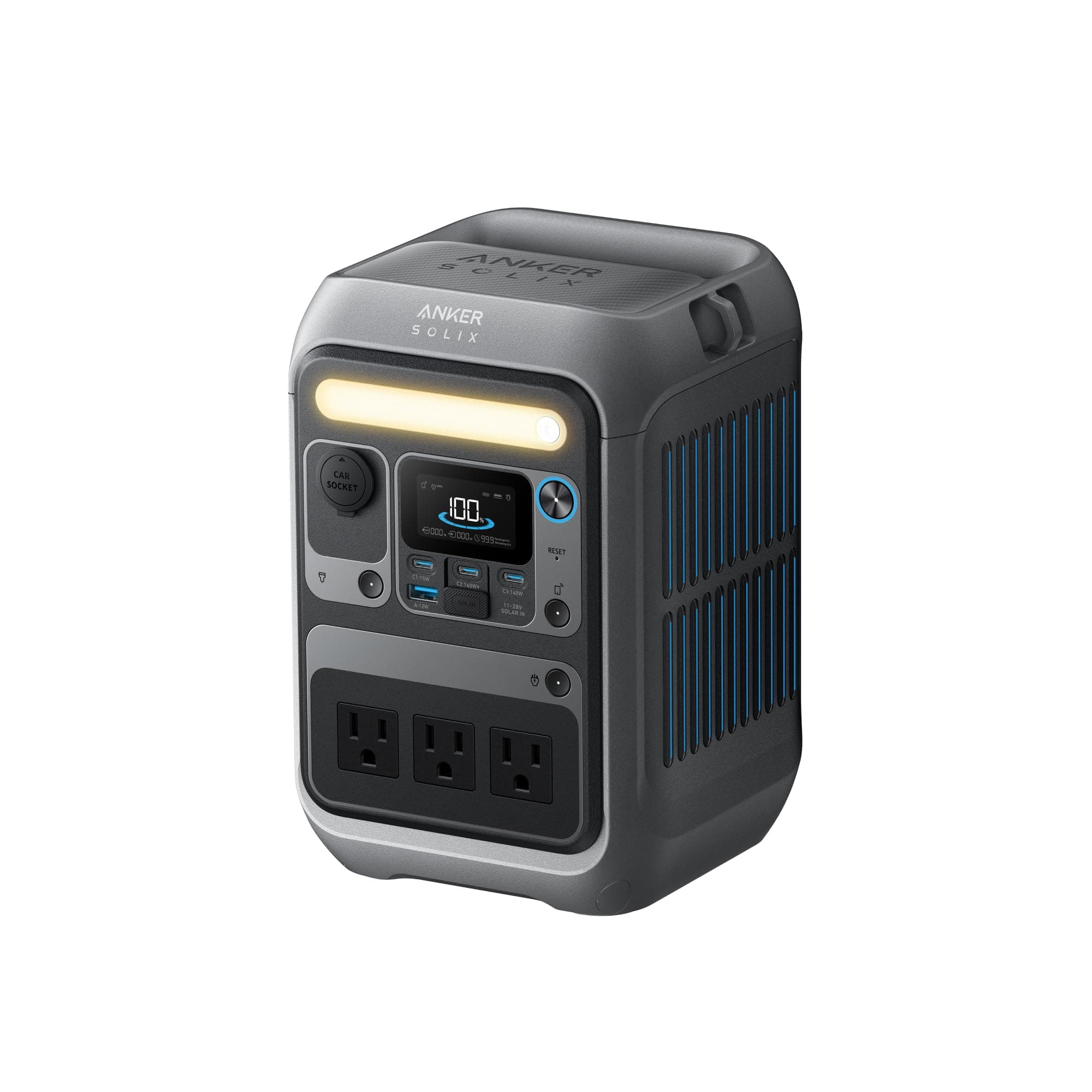
Anker vs GRECELL
$250 vs $100
GRECELL vs SinKeu
$100 vs $103
EF ECOFLOW vs GRECELL
$147 vs $100
GRECELL vs Apowking
$100 vs $100
Anker vs GRECELL
$150 vs $190
EF ECOFLOW vs GRECELL
$147 vs $190
Anker vs GRECELL
$300 vs $190
GRECELL vs Apowking
$190 vs $100
ALLWEI vs GRECELL
$129 vs $190
Explore Other Categories
Popular comparisons across the site
Ask AI
Get instant answers about specs
Get the Deets
Ask our AI assistant
Ask Deets anything!