Our Verdict
Amaste Espresso Machine with Grinder Wins
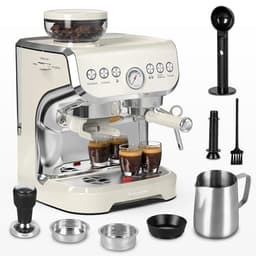
It offers superior convenience and consistency with its integrated conical burr grinder and 15 grind settings, which is a significant advantage for fresh espresso at home, despite its higher $319.99 price. Both machines feature a 15-bar pump and Thermoblock boiler for consistent extraction and fast heating. The De'Longhi Classic is the better pick for budget-conscious users already owning a grinder or willing to buy one separately, leveraging its lower $229.95 price point and compact design.
Bottom Line: Amaste Espresso Machine with Grinder is the better choice. It offers superior convenience and consistency with its integrated conical burr grinder and 15 grind settings, which is a significant advantage for fresh espresso at home, despite its higher $319.
In-Depth Analysis
How they compare in practice
The core distinction between the Amaste AC-517EA and the De'Longhi EM450M lies in their approach to coffee preparation: integrated convenience versus modular simplicity. The Amaste machine distinguishes itself with an integrated conical burr grinder, featuring 15 grind settings. This all-in-one design streamlines the espresso-making process, allowing users to go from whole beans to a fresh shot without needing a separate appliance or occupying additional counter space. This direct integration ensures optimal freshness and consistent grind size, which are paramount for high-quality espresso extraction, even if its 51mm portafilter size limits aftermarket accessory options.
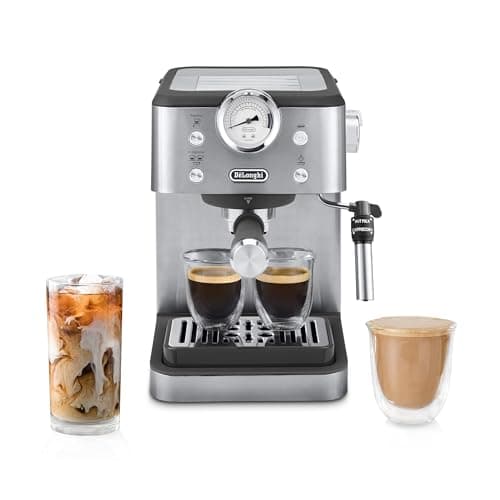
Conversely, the De'Longhi EM450M, while offering a robust 15-bar pump and Thermoblock heating system similar to the Amaste, requires a separate grinder. This modular approach means a lower initial price point of $229.95, making it an attractive option for those who already own a quality grinder or prefer to invest in one separately. The De'Longhi's compact stainless steel construction is a plus for smaller kitchens, offering durability and a sleek aesthetic, though its water tank capacity is typically smaller than the Amaste's generous 68 oz, which translates to more frequent refills for the De'Longhi.
In terms of shot quality and features, both units provide a 15-bar pump for effective extraction and a steam wand for milk frothing. The Amaste goes a step further with low-pressure pre-infusion, which gently soaks the coffee grounds before full pressure is applied, leading to more even extraction and potentially better flavor. It also includes a visual pressure gauge to help users monitor their shot. The De'Longhi counters with programmable single/double espresso shots for ease of use. The value proposition is clear: the Amaste, at $319.99, offers an integrated, more refined bean-to-cup experience for the home barista prioritizing convenience and consistent grind control. The De'Longhi provides a solid, budget-friendly foundation for those willing to manage the grinding process separately.
Which to Pick for Your Situation
Concrete scenarios with a clear recommendation
For the aspiring home barista seeking an all-in-one solution
AmasteThe Amaste's integrated conical burr grinder with 15 settings and low-pressure pre-infusion simplifies the entire espresso-making process for fresh, high-quality shots.
For budget-conscious users who already own a coffee grinder
De'LonghiThe De'Longhi is significantly more affordable at $229.95 and delivers a powerful 15-bar pump, making it a great value if a separate grinder is not an issue.
For households making multiple espresso-based drinks daily
AmasteThe Amaste boasts a large 68 oz water tank, reducing the frequency of refills compared to the typically smaller capacity of the De'Longhi.
For kitchens with limited counter space
De'LonghiThe De'Longhi features a compact stainless steel construction, which is beneficial where every inch of counter space is valuable.
Who Should Buy Which?
Find the right product for your needs

Buy Amaste if...
Amaste Espresso Machine with
The Amaste Espresso Machine with Grinder is ideally suited for the home barista who seeks a comprehensive, all-in-one solution for their daily coffee ritual. This buyer values convenience, precision, and a streamlined workflow, desiring fresh, high-quality espresso without the clutter of multiple appliances. They are willing to invest $319.99 for a machine that integrates a conical burr grinder with 15 customizable settings, understanding that consistent grind quality is paramount for superior espresso extraction. This user appreciates the low-pressure pre-infusion feature for better flavor and the visual pressure gauge for dialing in shots. The generous 68 oz water tank is a significant draw for households with multiple coffee drinkers or those who prefer fewer refills throughout the day. While they might forgo the wider accessory compatibility of a 58mm portafilter or advanced PID temperature control, the Amaste provides an excellent blend of features, ease of use, and quality for a dedicated home coffee enthusiast looking for a complete system.

Buy De'Longhi if...
De’Longhi Classic Espresso Machine
The De'Longhi Classic Espresso Machine with Milk Frother is the perfect match for the budget-conscious espresso enthusiast who prioritizes reliability, compactness, and core functionality. This buyer, often with a budget around $229.95, may already own a separate coffee grinder or is content with acquiring one independently, valuing the cost savings. They appreciate the De'Longhi's compact stainless steel construction, making it ideal for smaller kitchens or limited counter space. Their primary goal is to enjoy consistent, delicious espresso with a 15-bar pump and fast heating Thermoblock system, without needing an overly complex machine. This user is also keen to learn and master the art of manual milk frothing using the adjustable steam wand, seeing it as part of the barista experience. While they might miss out on an integrated grinder or a large water tank, the De'Longhi offers excellent fundamental performance, programmable single/double espresso shots, and a solid entry point into home espresso making for those focused on the essentials and value.
Spec Comparison
7 specs compared
| Specification |  |  |
|---|---|---|
| Price | $320 | $230 |
| Rating | 4.1(158) | 4.2(887) |
| Boiler Type | Thermoblock | thermoblock |
| Pump Pressure Bars | 15 | 15 |
| Portafilter Size mm | 51 | — |
| Steam Wand | Yes | Yes |
| Model Number | AC-517EA | EM450M |
| Grinder Included | Yes | — |
| Water Reservoir oz | 68 | — |
Swipe horizontally to see all columns
Pros & Cons
Quick overview of strengths and weaknesses
Amaste Espresso Machine
- Integrated conical burr grinder
- 15 grind settings for customization
- 15-bar pump with visual pressure gauge
- Low-pressure pre-infusion feature
- 51mm portafilter limits accessory choice
- Lacks PID for precise temperature control
De'Longhi De’Longhi Classic
- 15-bar pump ensures consistent espresso extraction.
- Thermoblock provides fast, stable heating.
- Adjustable steam wand froths milk/alternatives.
- Programmable single/double espresso shots.
- Requires separate grinder for fresh coffee.
- Manual milk frothing may require practice.
- No integrated water tank filtration.
Frequently Asked Questions
Common questions about this comparison
Does the Amaste espresso machine come with a built-in grinder?
Yes, the Amaste AC-517EA features an integrated conical burr grinder with 15 adjustable grind settings, providing fresh coffee for every shot without needing an extra appliance.
What is the pump pressure for both machines?
Both the Amaste AC-517EA and the De'Longhi EM450M utilize a 15-bar pump, ensuring optimal pressure for extracting rich, flavorful espresso shots with a good crema.
Which machine is more budget-friendly?
The De'Longhi Classic Espresso Machine is more budget-friendly at $229.95, compared to the Amaste's $319.99. The price difference mainly reflects Amaste's integrated grinder.
Can I make lattes and cappuccinos with these machines?
Yes, both machines are equipped with a steam wand, allowing users to froth milk for lattes, cappuccinos, and other milk-based espresso beverages.
What is the water tank capacity of the Amaste machine?
The Amaste Espresso Machine has a substantial 68 oz (2-liter) water tank, which minimizes the frequency of refilling, making it convenient for continuous use.
Is the portafilter size standard for the Amaste?
The Amaste uses a 51mm portafilter, which is common for many home espresso machines but offers fewer aftermarket accessory options compared to the professional 58mm size.
Related Comparisons
Similar products people compare
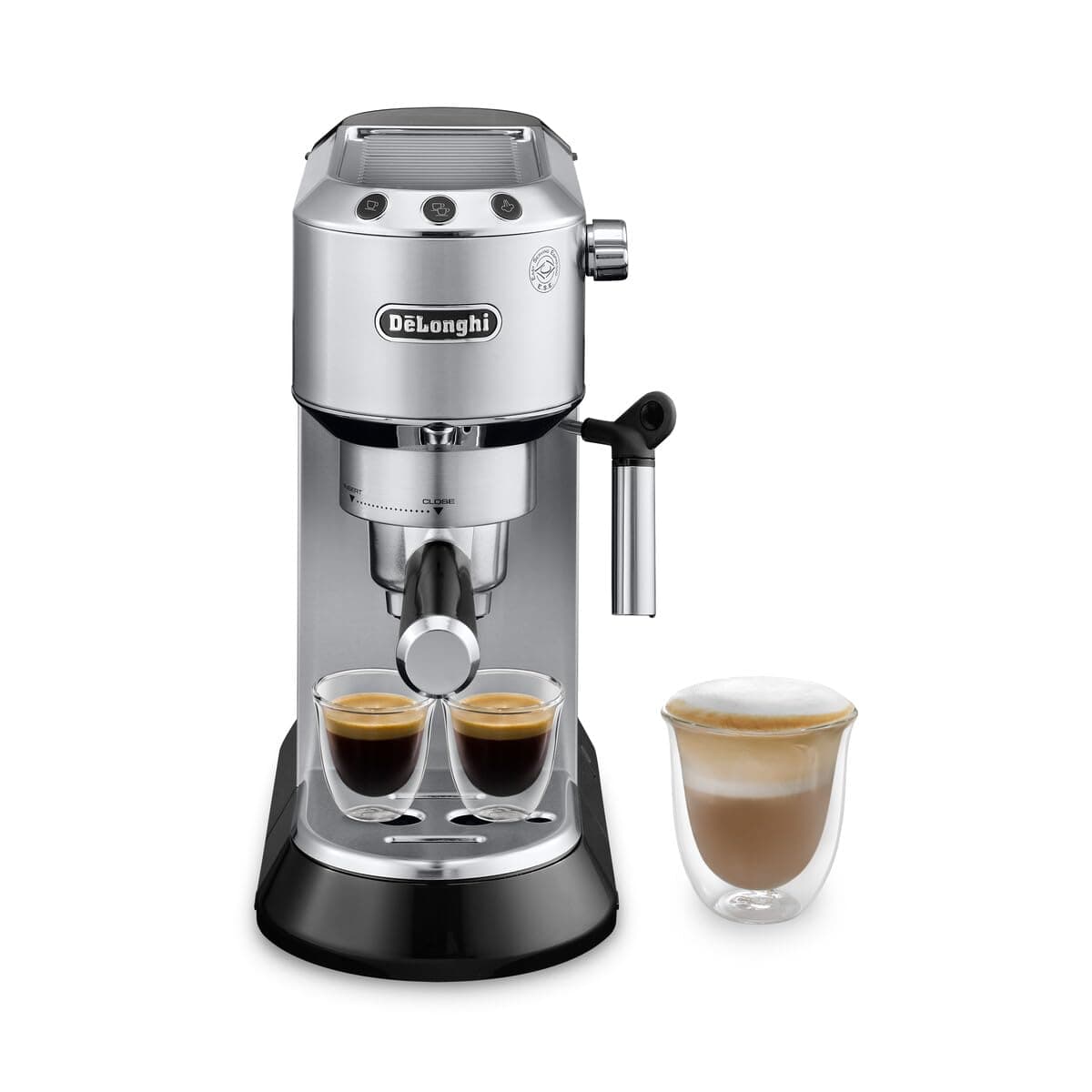
De'Longhi vs De'Longhi
$230 vs $236
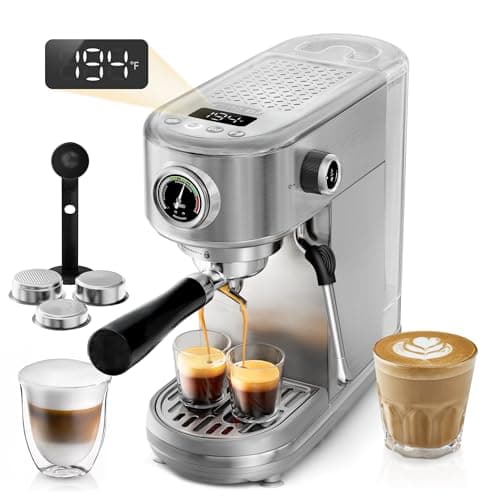
De'Longhi vs HIBREW
$230 vs $170
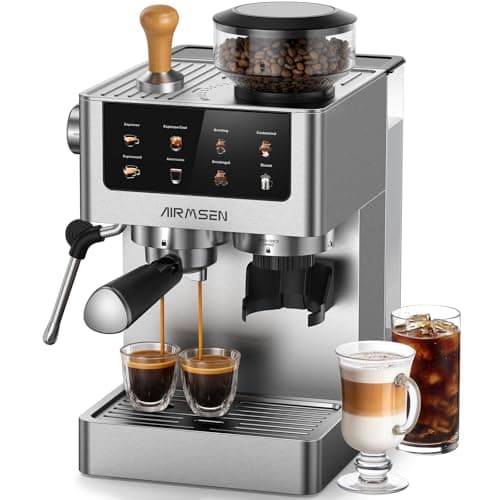
AIRMSEN vs De'Longhi
$200 vs $230
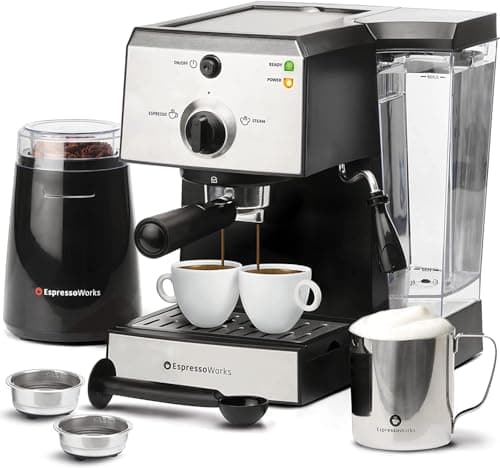
De'Longhi vs EspressoWorks
$230 vs $129
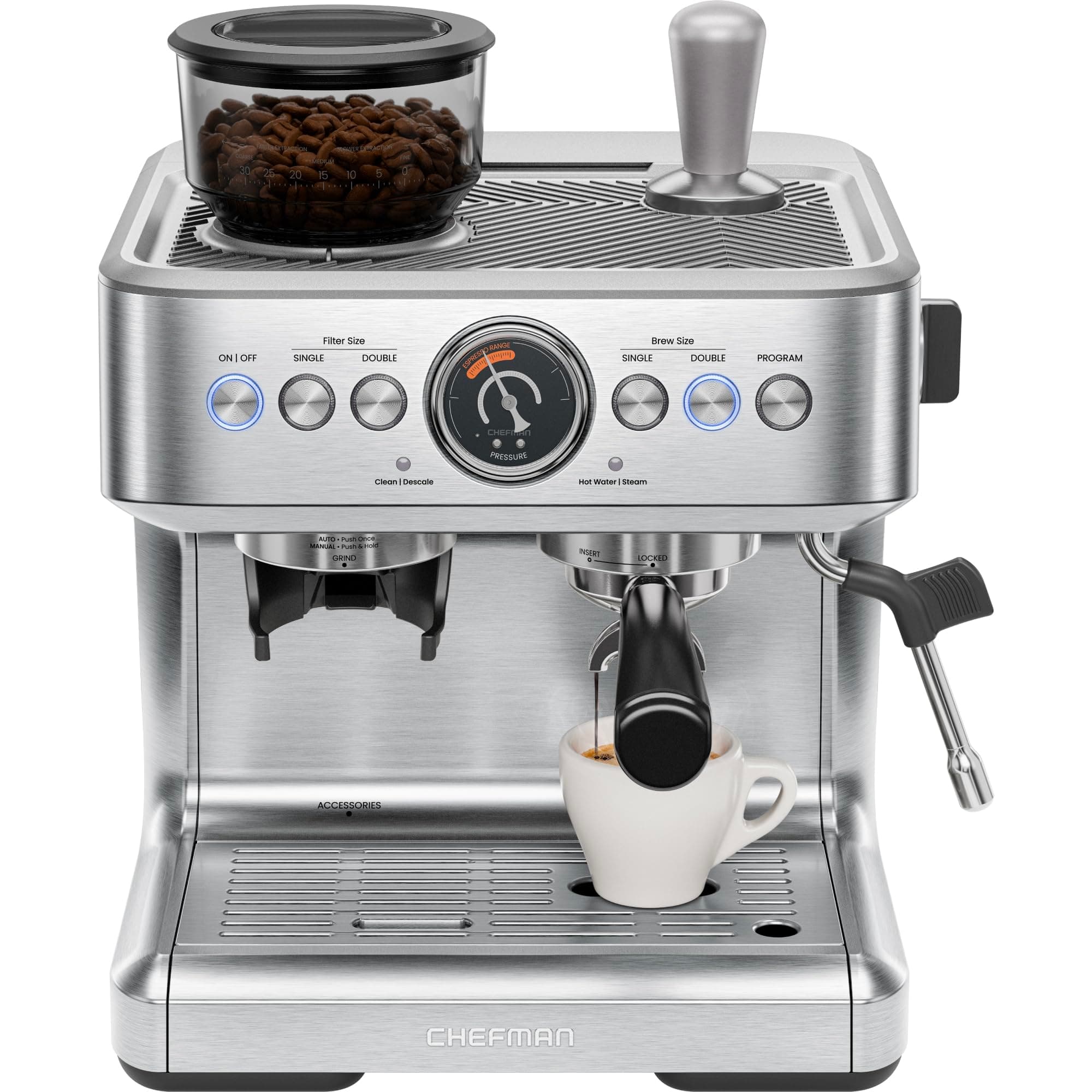
Chefman vs De'Longhi
$300 vs $230
De'Longhi vs Electactic
$230 vs $95
Calphalon vs De'Longhi
$350 vs $230
De'Longhi vs De'Longhi
$180 vs $230
De'Longhi vs Philips
$230 vs $500
AMZCHEF vs De'Longhi
$180 vs $230
CASABREWS vs De'Longhi
$180 vs $230
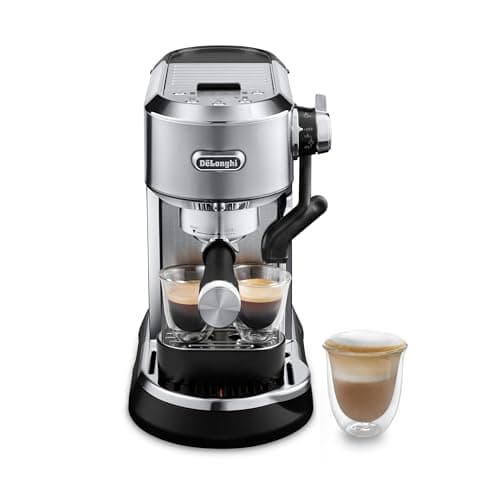
Amaste vs De'Longhi
$320 vs $300
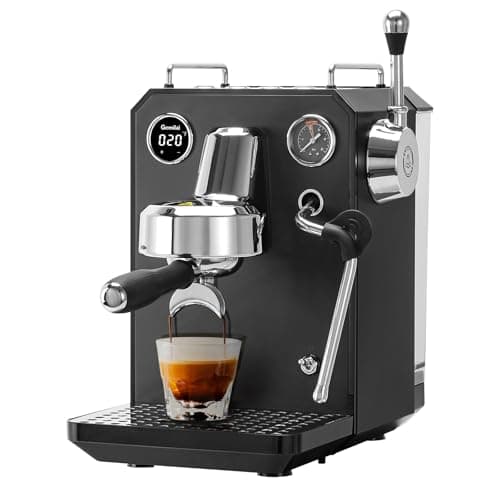
Amaste vs Gemilai
$320 vs $370
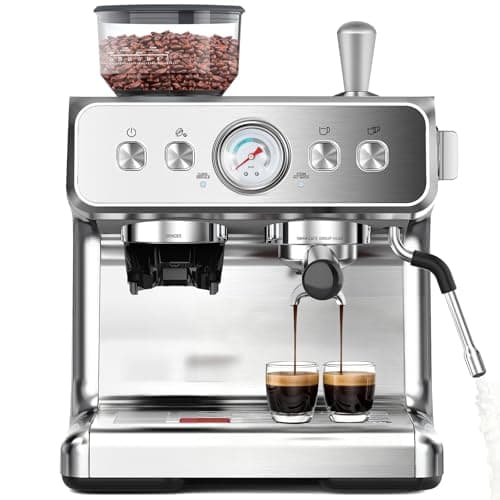
Amaste vs COWSAR
$320 vs $317
COWSAR vs De'Longhi
$317 vs $230
Explore Other Categories
Popular comparisons across the site


Ask AI
Get instant answers about specs
Get the Deets
Ask our AI assistant
Ask Deets anything!