Our Verdict
Honeywell HPA6000 Wins
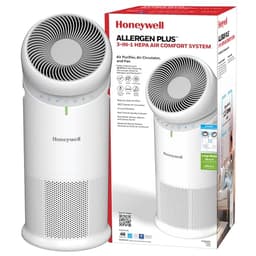
This purifier offers superior AHAM certified coverage of 398 sq ft and a higher CADR smoke rating of 152.8, making it significantly more effective for rapid air cleaning in larger rooms, despite its higher $259.99 price point. The Honeywell HPA6000 ensures faster pollutant removal compared to the Shark HP201's 208.33 sq ft AHAM coverage and 133.33 CADR smoke. The Shark HP201 is the better pick for budget-conscious buyers seeking efficient air purification for medium-sized rooms, or those prioritizing slightly finer particle filtration at a lower price of $199.99.
Bottom Line: Honeywell HPA6000 is the better choice. This purifier offers superior AHAM certified coverage of 398 sq ft and a higher CADR smoke rating of 152.
In-Depth Analysis
How they compare in practice
When comparing the Honeywell HPA6000 and the Shark HP201, the core difference lies in their effective air purification capacity, which significantly impacts real-world performance. The Honeywell HPA6000 boasts an AHAM certified coverage of 398 sq ft, providing a robust solution for larger rooms by achieving recommended air changes more rapidly. Its CADR smoke rating of 152.8 further underscores its ability to clear airborne pollutants like smoke, dust, and pet dander at a quicker pace.
In contrast, the Shark HP201, while marketed for 1000 sq ft, has an AHAM certified coverage of 208.33 sq ft, meaning it's more suited for medium-sized rooms if targeting optimal air changes per hour. Its CADR smoke of 133.33, while respectable, doesn't match the Honeywell's raw power. This delta means that in a truly large space, the Honeywell HPA6000 will provide noticeably fresher air faster and maintain better air quality over time compared to the Shark HP201, which might struggle to keep up.
Both units integrate smart sensors for auto-adjusting fan speeds, offering convenient hands-off operation. The Shark HP201 slightly edges out Honeywell in ultra-fine particle capture, claiming 99.98% of 0.1-0.2 micron particles with its Anti-Allergen NANOSEAL HEPA filter, compared to Honeywell's 99.97% general allergen filtration. This marginal difference might appeal to those with extreme sensitivities. However, neither offers smart app control, meaning direct interaction with the unit for settings adjustments.
From a value perspective, the Shark HP201, priced at $199.99, is a more budget-friendly option, providing solid performance for its AHAM-rated coverage. Its real-time air quality display is a tangible benefit for immediate feedback. The Honeywell HPA6000, at $259.99, commands a higher price but delivers superior cleaning efficacy for larger areas, making it a better investment for those prioritizing maximum purification power. Buyers must weigh the initial cost against the long-term effectiveness for their specific room sizes and air quality needs, considering that filter replacement costs, while detailed for Shark (9 months), are not specified for Honeywell.
Key Differences
The most significant spec differences at a glance
Cadr Smoke
15% moreCoverage Sq Ft
91% moreAdvantages
Where each product wins

Honeywell
- Cadr Smoke: 15% higher (152.8 vs 133.33)
- Coverage Sq Ft: 91% higher (398.0 vs 208.33)
Which to Pick for Your Situation
Concrete scenarios with a clear recommendation
For a large open-concept living space (400+ sq ft)
HoneywellThe Honeywell HPA6000 offers a superior AHAM certified coverage of 398 sq ft and a higher CADR smoke of 152.8, ensuring more effective and rapid air purification for truly large rooms compared to Shark's 208.33 sq ft AHAM rating.
For a bedroom or small office (budget-conscious)
SharkThe Shark HP201 is more affordable at $199.99 and provides sufficient air cleaning with its 208.33 sq ft AHAM coverage for typical bedrooms, making it a cost-effective choice without compromising essential purification.
For quick smoke or strong odor removal
HoneywellHoneywell's higher CADR for smoke (152.8 vs Shark's 133.33) means it can remove smoke and other airborne pollutants more rapidly from the air, making it more effective for immediate relief.
For severe allergy or asthma sufferers
TieBoth feature HEPA filtration and smart sensors. Shark boasts 99.98% particle capture (0.1-0.2 microns), while Honeywell covers a larger area (398 sq ft AHAM) more quickly, so effectiveness depends on room size and specific allergen concerns.
Who Should Buy Which?
Find the right product for your needs

Buy Honeywell if...
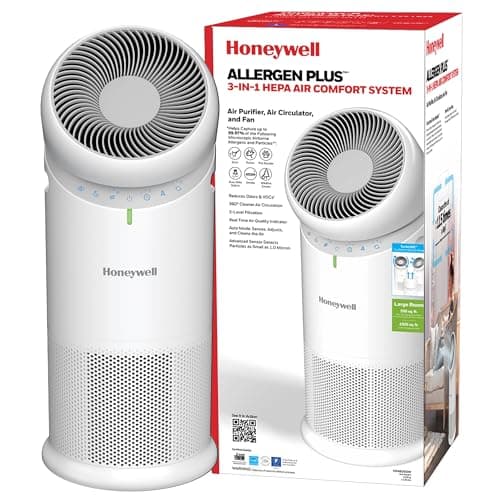
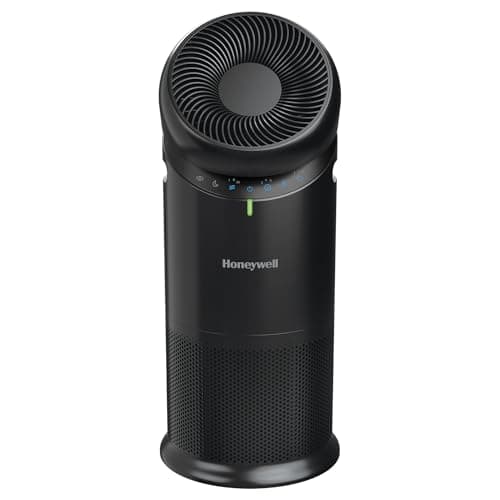
Honeywell Allergen Plus™ 3-in-1
The ideal buyer for the Honeywell HPA6000 is someone who prioritizes powerful, rapid, and truly effective air purification for genuinely large spaces, open-concept floor plans, or connected rooms. This user might suffer from severe allergies, live in an area with high ambient pollution, or frequently deal with strong odors, demanding the quickest possible air turnover. They value the Honeywell HPA6000's robust AHAM certified coverage of 398 sq ft and its higher CADR smoke of 152.8, which translate to superior air cleaning performance for their investment of $259.99. This buyer appreciates the convenience of a smart sensor that auto-adjusts fan speeds, allowing for a set-it-and-forget-it operation, even without advanced app connectivity. They are looking for a reliable workhorse that will significantly improve air quality across a broad area, accepting a slightly higher price for the increased capacity and faster pollutant removal. They are giving up the Shark's marginally finer micron capture and lower upfront cost for raw cleaning power over a larger volume.

Buy Shark if...
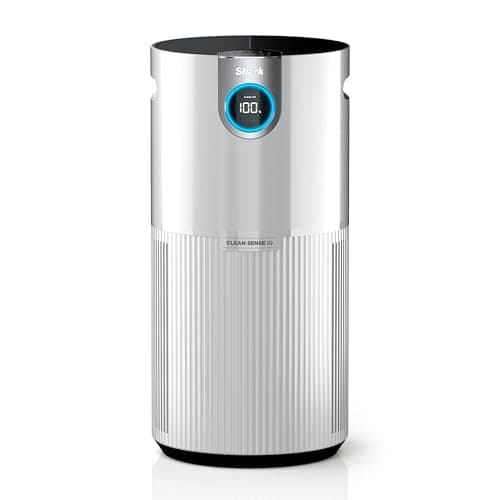
Shark Air Purifier for
The Shark HP201 is an excellent choice for the pragmatic, budget-conscious consumer who needs effective air purification primarily for medium-sized rooms such as bedrooms, home offices, or smaller living areas. This buyer appreciates clear, actionable information, making the real-time air quality display with particle levels a significant draw. Priced at an attractive $199.99, they are seeking a high-value appliance that delivers reliable performance without a premium cost. The Shark HP201's AHAM certified coverage of 208.33 sq ft is perfectly adequate for their target room sizes, ensuring sufficient air changes for daily use. They are also drawn to its specific claim of capturing 99.98% of 0.1-0.2 micron particles with its Anti-Allergen NANOSEAL HEPA filter, indicating a focus on comprehensive filtration. This buyer is comfortable with proprietary filters that have a specified 9-month life, understanding it's part of the product's overall value. They are giving up the higher raw CADR and larger AHAM certified coverage that the Honeywell provides for a more affordable, feature-rich unit tailored to smaller spaces and fine particle filtration.
Spec Comparison
6 specs compared
| Specification | 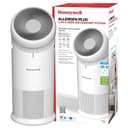 | 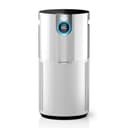 |
|---|---|---|
| Price | $260 | $200 |
| Rating | 4.7(56) | 4.6(3.0k) |
| Cadr Smoke | 152.8 | 133.33 |
| Coverage Sq Ft | 398 | 208.33 |
| Filter Type | HEPA | Anti-Allergen NANOSEAL HEPA |
| Smart Sensor | Yes | Yes |
| Model Number | — | HP201 |
| Filter Life Months | — | 9 |
Swipe horizontally to see all columns
Pros & Cons
Quick overview of strengths and weaknesses
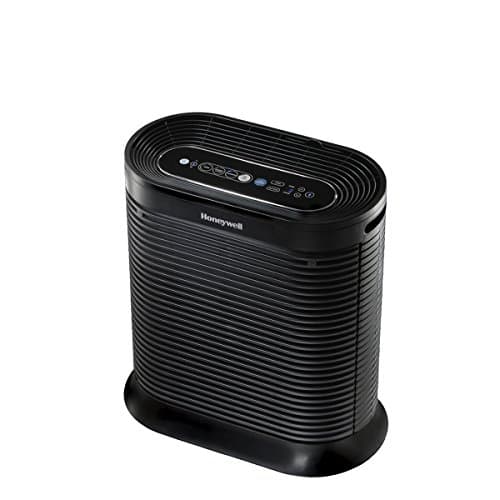
Honeywell Allergen Plus™
- Filters 99.97% allergens, reduces odors and VOCs.
- AHAM certified 398 sq ft coverage at 4.8 ACH.
- Monitors air quality, auto-adjusts fan speed.
- Operates quietly for undisturbed use.
- AHAM coverage is 398 sq ft, not stated 1928 sq ft.
- Filter replacement costs are not detailed.
- No remote control or smart app functionality.
Shark Air Purifier
- Covers up to 1000 sq ft (1 air change per hour)
- Captures 99.98% of 0.1-0.2 micron particles
- Filters smoke, dust, dander, VOCs, and allergens
- Real-time air quality display with particle levels
- Requires filter replacement every 6-12 months
- Uses proprietary filters, limits purchase options
- Smoke CADR is 133.33, low for 1000 sq ft
Frequently Asked Questions
Common questions about this comparison
What is the true effective coverage area for each purifier?
The Honeywell HPA6000 is AHAM certified for 398 sq ft, while the Shark HP201 is AHAM certified for 208.33 sq ft. These figures represent effective cleaning at 4.8 air changes per hour for optimal performance.
How do their filtration systems compare?
Both use HEPA filtration. Honeywell filters 99.97% of allergens. Shark uses Anti-Allergen NANOSEAL HEPA, capturing 99.98% of particles as small as 0.1-0.2 microns, offering a slight edge in ultra-fine particle capture.
Which unit is better for removing smoke and odors?
The Honeywell HPA6000 has a higher CADR (Clean Air Delivery Rate) for smoke at 152.8, indicating it will clean smoke and other airborne odors from the air faster than the Shark HP201, which has a CADR smoke of 133.33.
Do these purifiers have smart features?
Both the Honeywell HPA6000 and Shark HP201 include smart air quality sensors that automatically adjust fan speed based on detected air quality changes, ensuring efficient and hands-off operation in response to pollutants.
What are the filter replacement requirements for the Shark HP201?
The Shark HP201 requires filter replacement every 6-12 months, specifically 9 months on average. It utilizes proprietary Anti-Allergen NANOSEAL HEPA filters, which may limit sourcing options.
Can the Honeywell HPA6000 handle very large rooms effectively?
While Honeywell markets 1928 sq ft, its AHAM certified effective coverage at 4.8 ACH is 398 sq ft. It excels in larger standard rooms at high efficiency, but the 1928 sq ft figure represents a less effective 1 ACH.
Related Comparisons
Similar products people compare
Coway vs Shark
$150 vs $200
Coway vs Honeywell
$649 vs $260
LEVOIT vs Shark
$190 vs $200
Honeywell vs Honeywell
$260 vs $260
Faryuan vs Shark
$180 vs $200

Shark vs Winix
$200 vs $180
Dyson vs Honeywell
$364 vs $260
BLUEAIR vs Honeywell
$320 vs $260
Alen vs Honeywell
$313 vs $260
ECOSELF vs Shark
$177 vs $200
Honeywell vs LEVOIT
$260 vs $190
Coway vs Honeywell
$150 vs $260
Coway vs Honeywell
$230 vs $260
Honeywell vs Honeywell
$260 vs $241
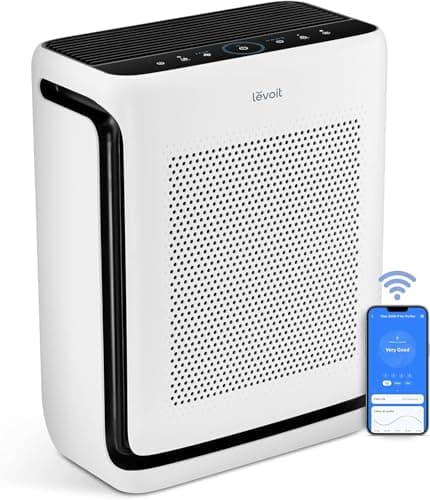
LEVOIT vs Shark
$173 vs $200
Explore Other Categories
Popular comparisons across the site



Ask AI
Get instant answers about specs
Get the Deets
Ask our AI assistant
Ask Deets anything!