Our Verdict
Coway AP-1512HH Wins
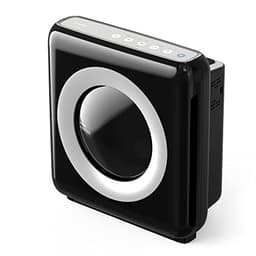
This purifier offers significantly superior actual air purification performance, with an AHAM-verified coverage of 375 sq ft and a CADR Smoke rating of 240, far exceeding the Winix's 192 sq ft coverage and 122.88 CADR Smoke. While it costs more at $229.99 compared to the Winix's $135.99, its effectiveness justifies the price for most. The Winix 5510 is the better pick for budget-conscious buyers prioritizing Wi-Fi connectivity and requiring purification for smaller, individual rooms.
Bottom Line: Coway AP-1512HH is the better choice. This purifier offers significantly superior actual air purification performance, with an AHAM-verified coverage of 375 sq ft and a CADR Smoke rating of 240, far exceeding the Winix's 192 sq ft coverage and 122.
In-Depth Analysis
How they compare in practice
The Coway AP-1512HH and Winix 5510 both present themselves as capable True HEPA air purifiers, yet a closer look reveals significant performance differences. The Coway Mighty stands out with an AHAM-verified coverage area of 375 sq ft and a robust CADR Smoke rating of 240. This means it can clean a much larger space more effectively and quickly, particularly tackling smoke and other airborne irritants. In real-world use, this translates to faster air turnover and more noticeable improvements in air quality for a typical living room or open-plan area.
In contrast, the Winix 5510, despite its marketing claim of cleaning 1881 sq ft in an hour, has an AHAM-verified effective coverage of only 192 sq ft and a CADR Smoke of 122.88. This discrepancy means that while the Winix is suitable for small bedrooms or offices, it will struggle immensely to purify larger spaces adequately, making its high-square-footage claim misleading for consumers expecting robust performance. The lower CADR signifies it processes air at a slower rate, which would be evident during high-pollution events.
Price-wise, the Winix 5510 comes in at a more accessible $135.99, nearly $94 cheaper than the Coway's $229.99. The Winix also offers Wi-Fi connectivity and app support, a modern convenience that the Coway lacks. Both units feature smart sensors and auto modes to adjust fan speed based on air quality, ensuring efficient operation. However, the Coway's Eco Mode further conserves energy by pausing the fan when air quality remains good for an extended period, a thoughtful addition for efficiency.
Ultimately, the trade-off is between raw purification power and smart features/budget. The Coway provides superior air cleaning capability for moderately sized rooms, making it ideal for those with allergies, pets, or concerns about airborne pollutants in their main living areas. The Winix, while a solid budget option with the benefit of remote control, is best suited for smaller, personal spaces where its lower purification capacity is less of a limitation and its smart connectivity adds value.
Key Differences
The most significant spec differences at a glance
Cadr Smoke
95% moreCoverage Sq Ft
95% moreAdvantages
Where each product wins

Coway
- Cadr Smoke: 95% higher (240.0 vs 122.88)
- Coverage Sq Ft: 95% higher (375.0 vs 192.0)
Which to Pick for Your Situation
Concrete scenarios with a clear recommendation
For a standard living room (approx. 300 sq ft)
CowayThe Coway AP-1512HH offers superior AHAM-verified coverage of 375 sq ft, making it much more effective for a living room compared to the Winix's 192 sq ft.
For a small bedroom or office (under 200 sq ft) with smart home integration
WinixThe Winix 5510's 192 sq ft coverage is adequate for smaller rooms, and its Wi-Fi connectivity allows for convenient app control, a feature the Coway lacks.
For households with significant smoke or pet dander issues
CowayThe Coway AP-1512HH has a significantly higher CADR Smoke rating of 240, indicating superior performance in rapidly clearing smoke and other particulate matter.
For budget-conscious buyers
WinixAt $135.99, the Winix 5510 is considerably more affordable than the Coway AP-1512HH, offering a cost-effective solution for basic air purification.
Who Should Buy Which?
Find the right product for your needs

Buy Coway if...
Coway AP-1512HH Mighty Air
The Coway AP-1512HH is ideal for individuals or families residing in homes or apartments with moderately sized rooms, typically ranging from 200 to 375 sq ft, who prioritize robust, proven air purification performance. This buyer likely deals with common allergens, pet dander, or occasional cooking odors and smoke, requiring a purifier with a strong CADR Smoke of 240 and reliable True HEPA filtration to maintain pristine indoor air quality. They are willing to invest $229.99 for a unit that demonstrably clears the air more effectively and quickly than cheaper alternatives, valuing the core function of air purification over smart home bells and whistles. While they forgo Wi-Fi connectivity, they appreciate features like the smart sensor for automatic fan adjustments and the Eco Mode for energy conservation, trusting the unit to operate efficiently without constant manual intervention. This user seeks a dependable workhorse that delivers on its promises for a healthier living environment.

Buy Winix if...
WINIX 5510 Air Purifier
The Winix 5510 is perfectly suited for the budget-conscious consumer who wants an effective air purification solution for smaller personal spaces like a bedroom, nursery, or home office, ideally under 200 sq ft. This buyer appreciates modern conveniences and values the ability to control their devices remotely, making the Wi-Fi connectivity and app support a significant draw. At a price point of $135.99, it offers substantial value, combining True HEPA filtration with a washable pre-filter, which helps extend the life of the main filter and reduces ongoing costs. While its CADR Smoke of 122.88 and 192 sq ft AHAM coverage are less than the Coway, these specs are perfectly adequate for their specific needs, especially for managing common allergens and mild odors in a confined area. This buyer isn't looking to purify an entire open-concept living space but rather to enhance the air quality in their immediate personal environment with the added benefit of smart control.
Spec Comparison
5 specs compared
| Specification |  |  |
|---|---|---|
| Price | $230 | $180 |
| Rating | 4.6(28.1k) | 4.6(30.6k) |
| Cadr Smoke | 240 | 122.88 |
| Coverage Sq Ft | 375 | 192 |
| Filter Type | True HEPA | True HEPA |
| Smart Sensor | Yes | Yes |
| WiFi | — | Yes |
Swipe horizontally to see all columns
Pros & Cons
Quick overview of strengths and weaknesses
Coway AP-1512HH Mighty
- CADR Smoke 240, cleans 375 sq ft effectively
- True HEPA removes 99.999% of 0.3-micron particles
- Reduces 99% of VOCs and odors
- Auto mode adjusts fan speed to current air quality
- Lacks smart home or Wi-Fi connectivity
- Slower purification for very large spaces (874 sq ft)
Winix 5510 Air
- Cleans 1881 sq ft in 1 hour for quick air turnover.
- True HEPA captures 99.99% of 0.01 micron particles.
- Washable pre-filter extends main filter lifespan.
- Carbon filter reduces VOCs and common household odors.
- AHAM verified effective coverage is only 192 sq ft.
- CADR smoke of 122.88 is low for large room claims.
Frequently Asked Questions
Common questions about this comparison
What is the effective coverage area for each purifier?
The Coway AP-1512HH effectively covers 375 sq ft. The Winix 5510 has an AHAM-verified effective coverage of 192 sq ft, despite claims of purifying larger spaces.
Which air purifier is better for removing smoke?
The Coway AP-1512HH is significantly better for smoke, with a CADR Smoke rating of 240. The Winix 5510 has a lower CADR Smoke of 122.88.
Does either purifier offer smart home or Wi-Fi connectivity?
Yes, the Winix 5510 is Wi-Fi enabled and offers app support. The Coway AP-1512HH does not include smart home or Wi-Fi connectivity features.
What type of filters do these air purifiers use?
Both the Coway AP-1512HH and Winix 5510 use True HEPA filters. The Winix also includes a washable pre-filter and a high deodorization carbon filter.
Which product offers better energy efficiency features?
The Coway AP-1512HH features an Eco Mode, which conserves energy by pausing the fan when air quality remains pure for an extended period. Both have auto modes based on smart sensors.
Related Comparisons
Similar products people compare
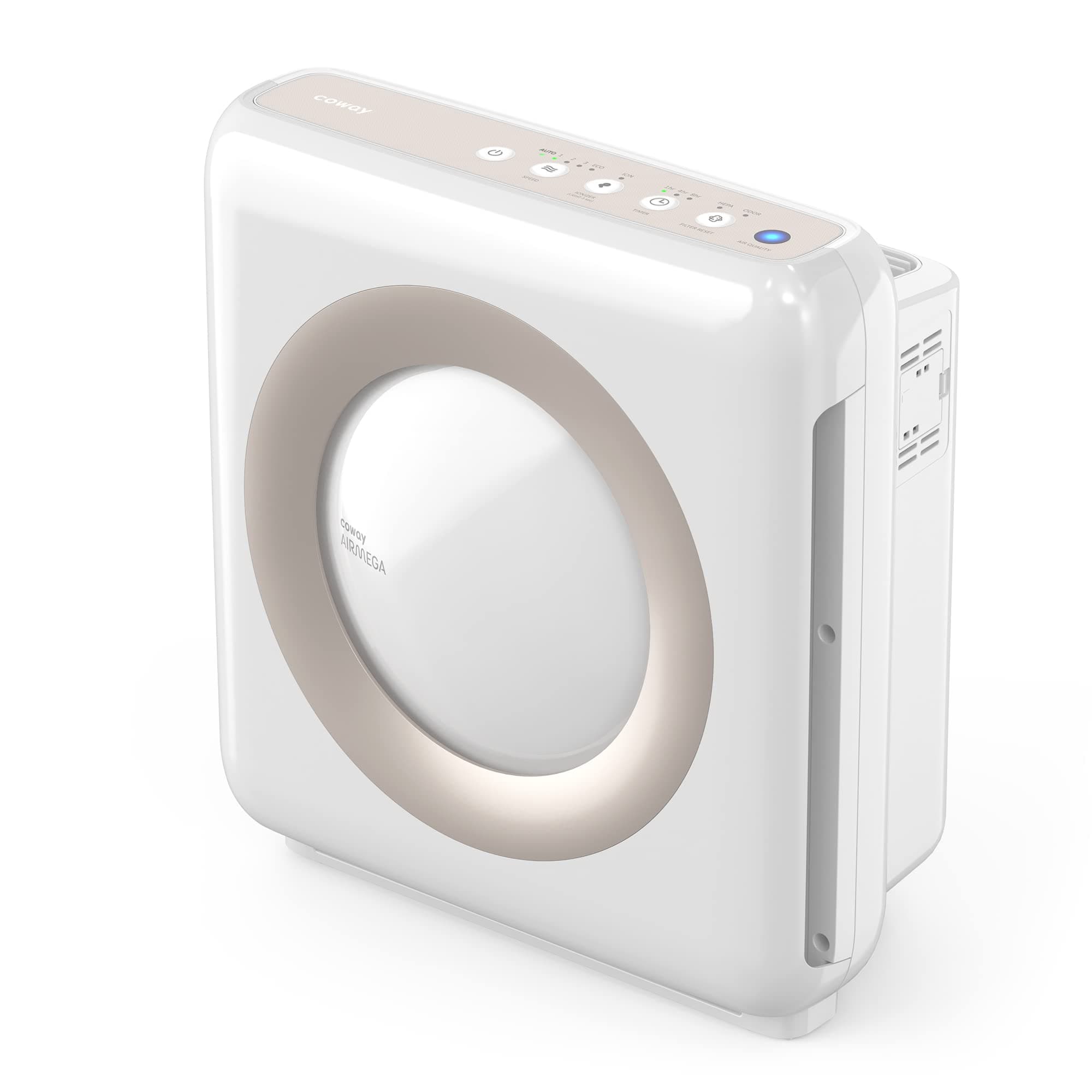

Coway vs Winix
$230 vs $180
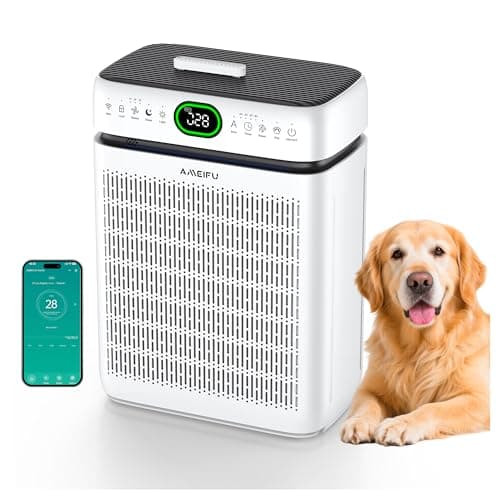
AMEIFU vs Winix
$128 vs $180
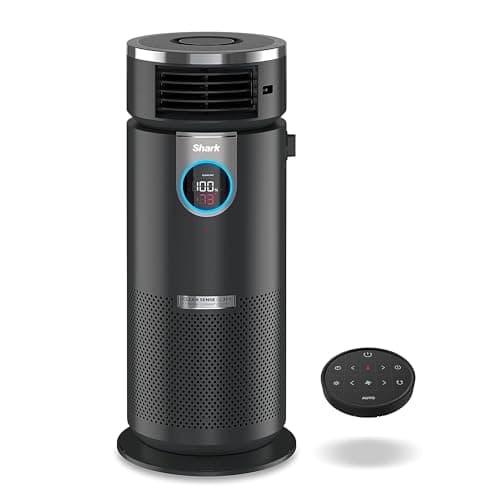
Shark vs Winix
$327 vs $180
Coway vs Dreo
$230 vs $297
BLUEAIR vs Coway
$320 vs $230
VEWIOR vs Winix
$120 vs $180
Coway vs Winix
$399 vs $180
PuroAir vs Winix
$280 vs $180
Coway vs ECOSELF
$230 vs $177
PuroAir vs Winix
$160 vs $180
Coway vs PuroAir
$230 vs $160
Coway vs PuroAir
$230 vs $280
Coway vs LG
$230 vs $270
LEVOIT vs Winix
$190 vs $180
Honeywell vs Winix
$260 vs $180
Explore Other Categories
Popular comparisons across the site



Ask AI
Get instant answers about specs
Get the Deets
Ask our AI assistant
Ask Deets anything!