Our Verdict
Coway 400(G) Wins
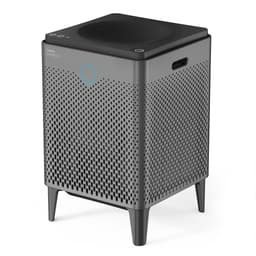
It offers superior, quantified air purification performance with a CADR of 416.0 for smoke and covers 650 sq ft, significantly outperforming Dyson's unstated metrics for core purification tasks. Its Energy Star certification and 5-year warranty provide excellent long-term value despite its higher $749.0 price. The Dyson Purifier Cool TP07 is a better pick for those prioritizing a lower upfront cost ($526.06), a dual-function cooling fan, and smart features over raw, measured air cleaning capacity.
Bottom Line: Coway 400(G) is the better choice. It offers superior, quantified air purification performance with a CADR of 416.
In-Depth Analysis
How they compare in practice
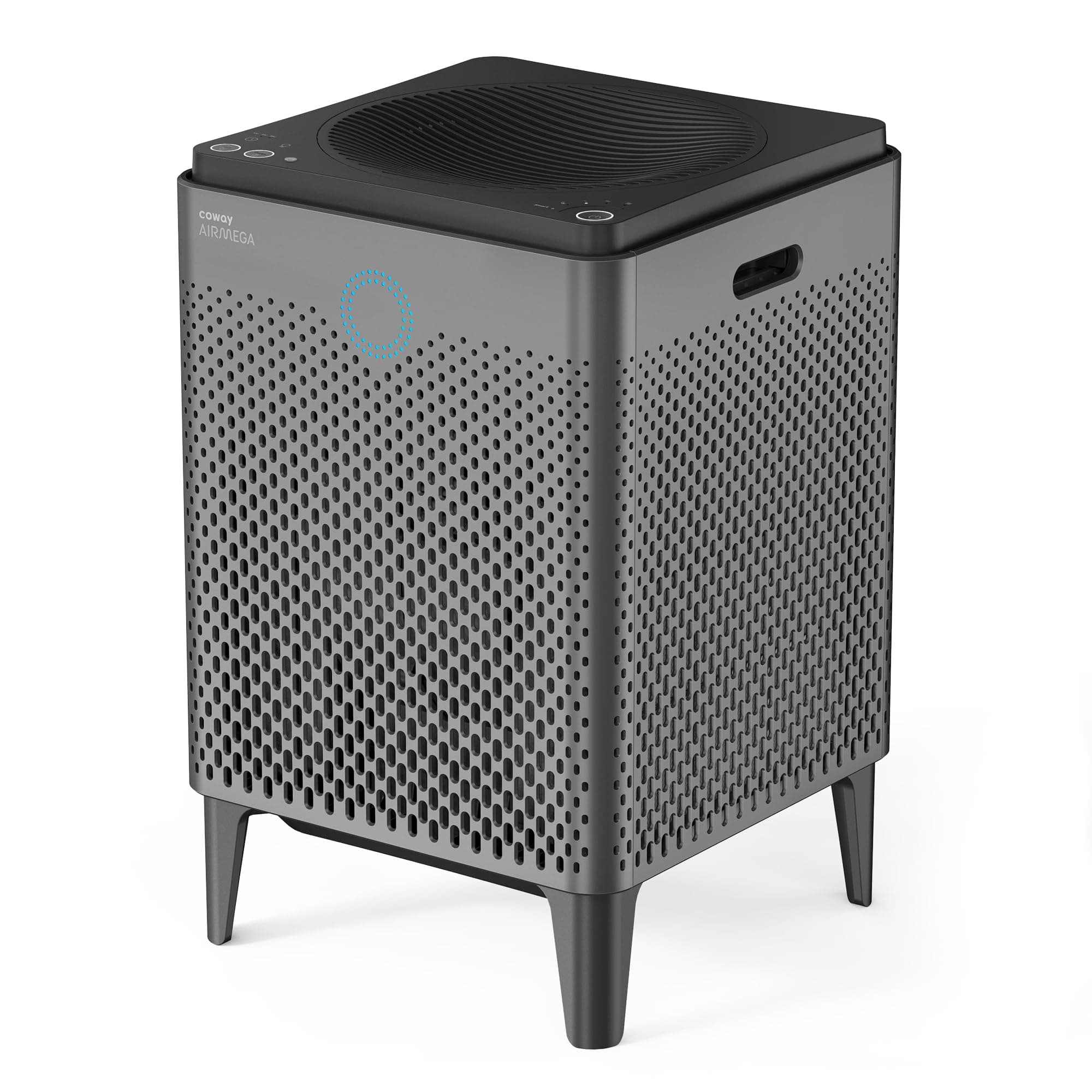
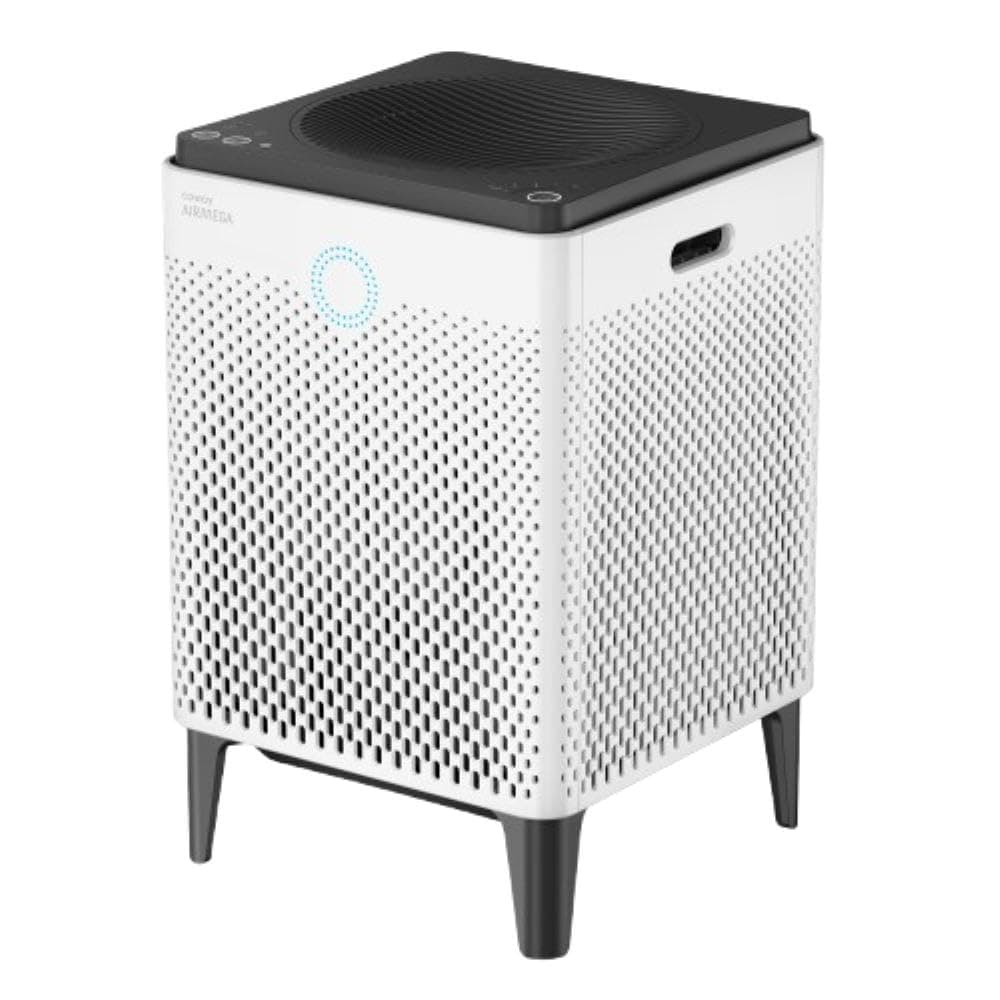
When comparing the Coway 400(G) and the Dyson Purifier Cool TP07, the most striking difference lies in their primary focus and transparency of performance metrics. The Coway 400(G) is a dedicated air purifier that excels in providing clear, quantifiable purification power. With a CADR of 416.0 for smoke and an explicit coverage area of 650 sq ft (providing 4 air changes per hour), it leaves no doubt about its capability to clean large rooms effectively. Furthermore, its Energy Star certification means it operates more efficiently, a practical benefit for ongoing electricity costs. The included 5-year warranty underscores its reliability and Coway's confidence in its durability.
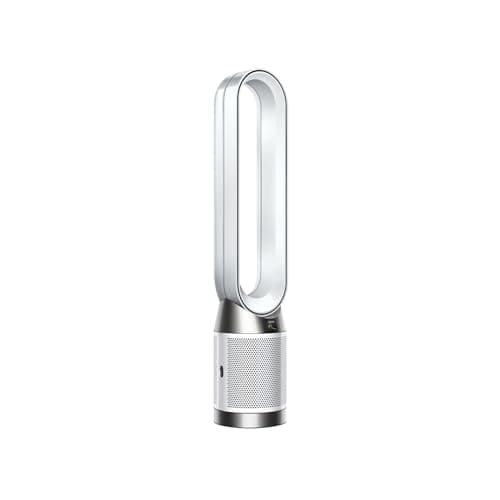
In contrast, the Dyson Purifier Cool TP07 adopts a multi-functional approach, blending air purification with a powerful cooling fan. While it boasts HEPA H13 full-machine sealed filtration and automated pollutant sensing, it notably lacks specific CADR values or a stated coverage area. This omission makes it challenging to directly assess its raw purification efficacy against the Coway. Dyson's strengths lie in its sleek design, advanced smart features like real-time air quality data via LCD and app, and its ability to project purified air throughout the room, doubling as a fan. It also comes at a significantly lower price point of $526.06 compared to the Coway's $749.0.
In real-world use, the Coway 400(G) would be the workhorse for individuals with serious allergy concerns, pet owners, or those living in areas with high air pollution, where pure air quality and verifiable performance are paramount. Its quieter minimum noise level of 22.0 dB also contributes to a less intrusive experience. The Dyson, on the other hand, offers a more integrated lifestyle device. It's ideal for users who appreciate the convenience of a dual-function appliance that saves space, offers smart home connectivity, and provides a gentle cooling breeze alongside air purification, even if the purification performance isn't as explicitly quantified. The trade-off is often between raw, measured air cleaning power and a more versatile, feature-rich device.
Key Differences
The most significant spec differences at a glance
Cadr Smoke
100% moreCoverage Sq Ft
100% moreEnergy Star
100% moreAdvantages
Where each product wins

Coway
- Cadr Smoke: 100% higher (416.0 vs 0)
- Coverage Sq Ft: 100% higher (650.0 vs 0)
- Energy Star: 100% higher (True vs False)
Which to Pick for Your Situation
Concrete scenarios with a clear recommendation
For serious air purification in large rooms
CowayThe Coway 400(G) offers explicit coverage of 650 sq ft with a CADR of 416.0 for smoke, providing quantifiable superior air cleaning.
For a combined purifier and cooling fan
DysonThe Dyson TP07 offers dual functionality, effectively purifying the air while also providing a cooling breeze, a feature not present in the Coway.
For budget-conscious buyers
DysonAt $526.06, the Dyson TP07 is considerably more affordable than the Coway 400(G), which is priced at $749.0.
Prioritizing energy efficiency
CowayThe Coway 400(G) is Energy Star certified, ensuring lower electricity consumption compared to the Dyson TP07, which lacks this certification.
Who Should Buy Which?
Find the right product for your needs

Buy Coway if...
COWAY Air Purifiers for
The Coway 400(G) is ideal for individuals or families who prioritize robust, quantifiable air purification performance above all else. This buyer is likely concerned with severe allergies, asthma, or lives in an environment with significant airborne pollutants like smoke, pet dander, or dust. They need an air purifier that can reliably clean a large living space, up to 650 sq ft, and appreciate the concrete assurance of its 416.0 CADR smoke rating. Energy efficiency is also a key consideration, making its Energy Star certification a major draw for long-term savings. This buyer values a long-term investment, supported by an impressive 5-year limited warranty, indicating durability and reliability. They are willing to pay the higher $749.0 price for superior air quality and proven effectiveness, and do not necessarily require a cooling fan, preferring a dedicated purifier that performs its primary function exceptionally well without extraneous features.

Buy Dyson if...
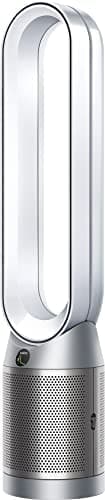
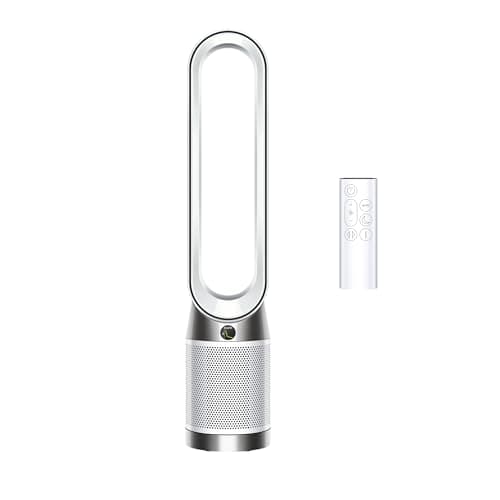
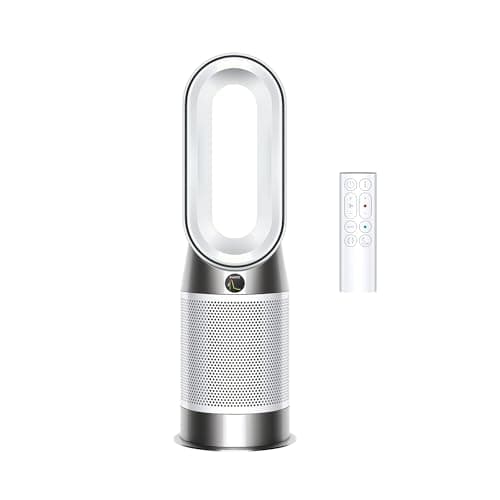
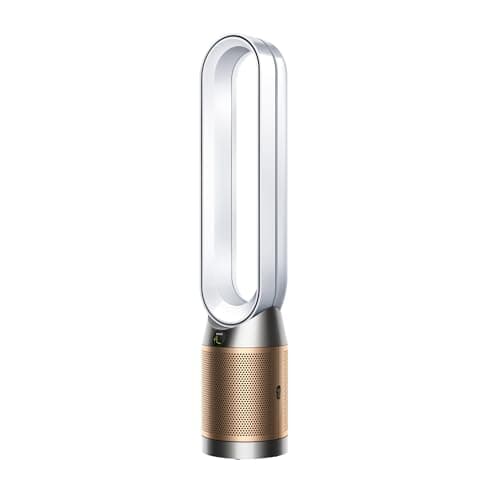
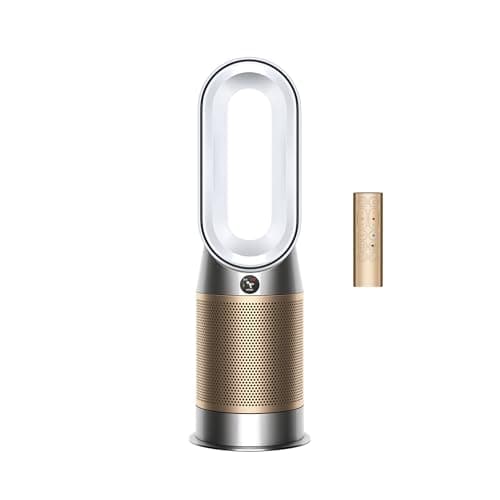
Dyson Purifier Cool TP07
The Dyson Purifier Cool TP07 is perfectly suited for the tech-savvy individual who values aesthetic design, smart home integration, and multi-functional appliances. This buyer might live in a moderately sized space where a dedicated cooling fan is also desired, making the TP07's dual function as a purifier and fan a significant advantage. While they care about air quality, they may not require the highest, explicitly quantified purification metrics like a specific CADR, trusting Dyson's HEPA H13 filtration for effective cleaning. They appreciate the convenience of real-time air quality data accessible via an LCD screen and a smartphone app, allowing for easy monitoring and control. With a more approachable price point of $526.06, this buyer is looking for a premium, well-designed device that enhances their living environment with both clean air and a comfortable breeze, without breaking the bank. They are willing to forgo Energy Star certification for the added features and sleek design, aligning with a lifestyle that values innovation and convenience.
Spec Comparison
8 specs compared
| Specification |  |  |
|---|---|---|
| Price | $749 | $526 |
| Rating | 4.4(6.5k) | 4.3(938) |
| Cadr Smoke | 416 | 0 |
| Coverage Sq Ft | 650 | 0 |
| Noise Level db Min | 22 dB | — |
| Weight | 3.05 lbs | — |
| Energy Star | Yes | No |
| Filter Type | True HEPA | HEPA H13 |
| Smart Sensor | Yes | — |
| Filter Life Months | — | 0 |
Swipe horizontally to see all columns
Pros & Cons
Quick overview of strengths and weaknesses
Coway Air Purifiers
- Removes 99.999% of 0.01-micron particles.
- Covers 780 sq ft with 4 air changes per hour.
- Smart Mode adjusts fan speed based on air quality.
- Eco Mode shuts off fan when air is clean.
- Stated 3,120 sq ft coverage misleading for 4 ACH.
- True HEPA filters require periodic replacement.
- No remote control listed in features.
Dyson Purifier Cool
- Automated pollutant sensing and capture
- HEPA H13 full machine sealed filtration
- Projects purified air throughout the room
- Real-time air quality data via LCD and app
- No CADR smoke rating provided
- No room coverage specified
- Filter life duration not listed
- Not Energy Star certified
Frequently Asked Questions
Common questions about this comparison
What is the maximum room coverage of the Coway 400(G)?
The Coway 400(G) effectively covers up to 650 sq ft, providing 4 air changes per hour, making it suitable for larger rooms based on its CADR of 416 for smoke.
Does the Dyson Purifier Cool TP07 provide a cooling function?
Yes, the Dyson Purifier Cool TP07 is designed with dual functionality, acting as both a smart air purifier and a powerful cooling fan to circulate purified air throughout the room.
Which purifier is more energy-efficient?
The Coway 400(G) is Energy Star certified, indicating superior energy efficiency compared to the Dyson TP07, which does not hold this certification for electricity savings.
What type of HEPA filtration do these purifiers use?
The Coway 400(G) uses True HEPA filters to capture 99.999% of 0.01-micron particles, while the Dyson TP07 utilizes a HEPA H13 full machine sealed filtration system.
What is the warranty period for the Coway 400(G)?
The Coway 400(G) includes a robust 5-year limited warranty, offering significant peace of mind and long-term support for your investment.
Does the Dyson TP07 provide real-time air quality data?
Absolutely. The Dyson Purifier Cool TP07 features an integrated LCD display and a companion app that offers real-time air quality data for user monitoring and control.
Related Comparisons
Similar products people compare
Dyson vs Dyson
$526 vs $412
Dyson vs Dyson
$526 vs $550
Dyson vs Dyson
$526 vs $364
Coway vs Dyson
$749 vs $454
Coway vs Coway
$749 vs $649
Dyson vs Dyson
$526 vs $579
Coway vs Dyson
$649 vs $526
Dyson vs Dyson
$500 vs $526
Coway vs Dyson
$749 vs $699
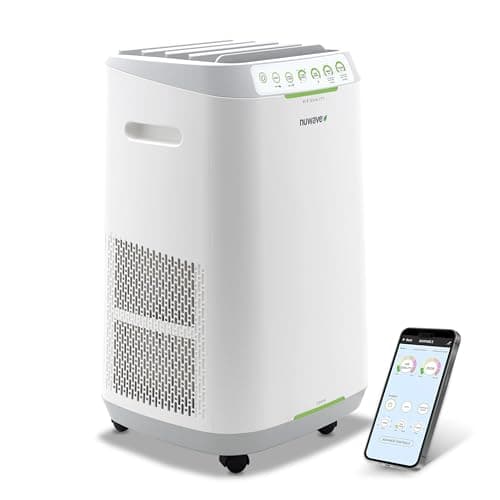
Dyson vs Nuwave
$526 vs $500
Coway vs Dyson
$749 vs $500
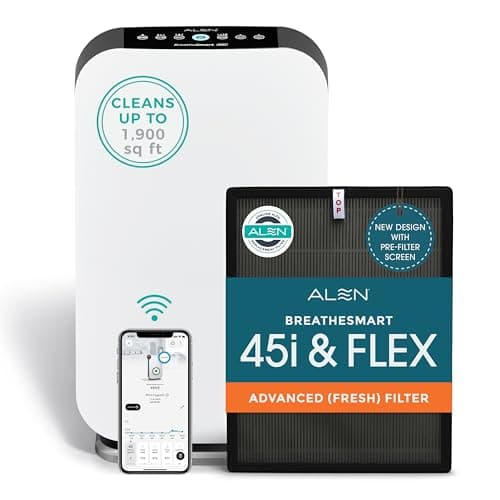
Alen vs Coway
$464 vs $749
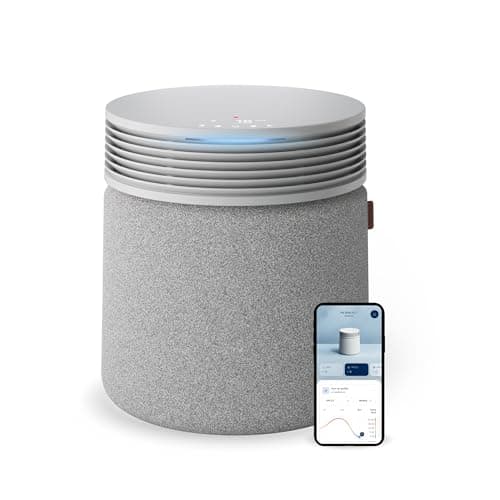
BLUEAIR vs Coway
$345 vs $749
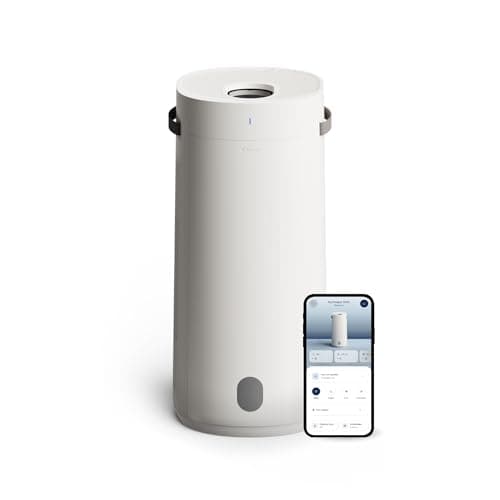
BLUEAIR vs Dyson
$430 vs $526
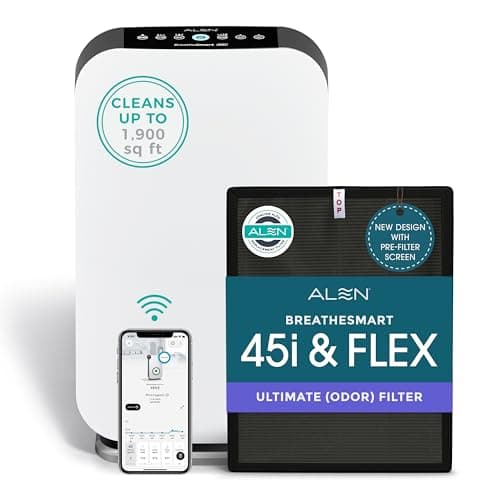
Alen vs Coway
$479 vs $749
Explore Other Categories
Popular comparisons across the site



Ask AI
Get instant answers about specs
Get the Deets
Ask our AI assistant
Ask Deets anything!