Our Verdict
Soleus Air Air Purifier Large Room Wins
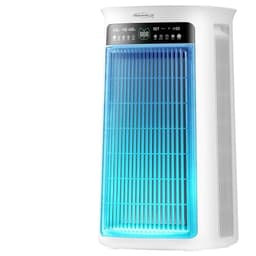
It provides quantifiable purification metrics with a 73.8 CFM CADR and a specified coverage of 4000 sq ft, ensuring broad particle removal, and operates at a quiet 22dB minimum noise level, all for $499.99. Its True H13 HEPA filtration offers superior particle capture compared to Dyson's general HEPA. The Dyson Purifier Cool Formaldehyde TP09, priced at $499.89, is the better pick if your primary concern is targeting formaldehyde specifically and you prioritize its multi-functional fan capabilities and elegant design over clear, broad-area purification capacity, as it lacks stated CADR and coverage figures.
Bottom Line: Soleus Air Air Purifier Large Room is the better choice. It provides quantifiable purification metrics with a 73.
In-Depth Analysis
How they compare in practice
When comparing the Soleus Air Air Purifier Large Room and the Dyson Purifier Cool Formaldehyde TP09, a crucial differentiator lies in their approach to purification metrics. The Soleus Air provides a Clean Air Delivery Rate (CADR) of 73.8 CFM for smoke and claims coverage up to 4000 sq ft. While a 73.8 CFM CADR is notably low for a 4000 sq ft area, implying a very slow air change rate, it at least offers a quantifiable benchmark. In stark contrast, the Dyson offers no stated CADR or coverage area, making it challenging for consumers to directly assess its purification speed for general particles. The Soleus Air also specifies a True H13 HEPA filter, a higher standard than Dyson's general "HEPA," which ensures superior capture of ultra-fine particles down to 0.3 microns.
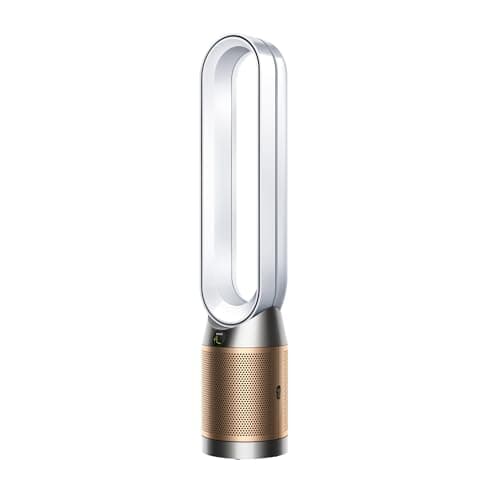
Dyson distinguishes itself significantly with its unique ability to detect and destroy formaldehyde, a volatile organic compound often found in new furnishings and building materials. This specialized filtration provides a distinct advantage for those with specific chemical sensitivities or living in recently renovated spaces. Additionally, the Dyson doubles as an effective cooling fan, offering year-round utility beyond just purification. The Soleus Air, however, prioritizes quiet operation, achieving an impressive 22dB minimum noise level, making it exceptionally suited for bedrooms or nurseries where silence is paramount. It also features a comprehensive smart sensor array, providing real-time PM2.5, temperature, and humidity data.
The trade-offs between the two are clear. The Soleus Air is a workhorse designed for broad-area, quiet particle filtration, offering smart features and energy efficiency (Energy Star certified) at its core. Its value proposition is centered on consistent, unobtrusive performance for common airborne pollutants across larger spaces. The Dyson, conversely, caters to a buyer who values innovative, targeted purification (formaldehyde destruction) and the convenience of a dual-function fan in a premium, aesthetically pleasing package. Its design-forward approach might appeal more to those integrating it into a modern living space.
At a virtually identical price point around $500, the choice hinges on individual priorities. The Soleus Air delivers a robust system for general air quality improvement in extensive areas, emphasizing quietness and clear, albeit slow for its claim, purification capacity. The Dyson appeals to those with specific concerns about formaldehyde, who appreciate its multi-functional fan capabilities, and are less concerned with explicit CADR figures, trusting Dyson's reputation for advanced air projection and specialized filtration.
Key Differences
The most significant spec differences at a glance
Cadr Smoke
100% moreCoverage Sq Ft
100% moreAdvantages
Where each product wins

Soleus Air
- Cadr Smoke: 100% higher (73.8 vs 0)
- Coverage Sq Ft: 100% higher (4000.0 vs 0)
Which to Pick for Your Situation
Concrete scenarios with a clear recommendation
For large, open-plan living spaces
Soleus AirThe Soleus Air is explicitly designed for large rooms, claiming coverage up to 4000 sq ft, providing the only specified area coverage between the two.
For a bedroom or nursery
Soleus AirThe Soleus Air's 22dB minimum noise level is exceptionally quiet, ensuring undisturbed sleep, whereas Dyson's noise level is unspecified.
For new homes or renovated environments
DysonThe Dyson uniquely detects and destroys formaldehyde, a common volatile organic compound (VOC) found in new building materials and furniture.
For year-round air purification with cooling
DysonThe Dyson functions as both an air purifier and a fan, offering cooling relief in addition to particle and formaldehyde removal capabilities.
Who Should Buy Which?
Find the right product for your needs

Buy Soleus Air if...
Air Purifier Large Room,True
The ideal buyer for the Soleus Air Air Purifier Large Room is a homeowner or renter primarily concerned with broad-spectrum particle filtration across a substantial living space, valuing quiet operation and smart home integration. This buyer might live in an open-concept apartment or a smaller house and needs a single unit to handle general airborne irritants like dust, pollen, and pet dander. They prioritize quantifiable purification performance, even if the stated CADR of 73.8 CFM for 4000 sq ft suggests a slower cleaning process, because it provides a clear benchmark. The 22dB sleep mode is critical for someone placing it in a bedroom or nursery, ensuring minimal disruption. They appreciate the convenience of app and voice control for monitoring air quality and adjusting settings. They aren't specifically targeting formaldehyde but want reliable, wide-area air purification from a True H13 HEPA filter at a competitive price point, along with Energy Star efficiency. They are willing to forgo the integrated cooling fan functionality offered by the Dyson for focused purification performance.

Buy Dyson if...
Dyson Purifier Cool Formaldehyde
The ideal buyer for the Dyson Purifier Cool Formaldehyde TP09 is someone living in a newer home, apartment, or recently renovated space, where concerns about off-gassing from furniture, paints, and building materials—specifically formaldehyde—are paramount. This individual also appreciates multi-functional devices and sleek design, seeing value in a unit that doubles as an effective cooling fan during warmer months, rather than needing separate appliances. While they care about general air quality, the absence of a stated CADR for broad purification isn't a deal-breaker, as their primary focus is precise particle capture (99.97% of 0.3 microns) and the unique formaldehyde destruction technology. They likely live in a smaller to medium-sized room where Dyson's air projection capabilities are sufficient, and they value the convenience of monitoring and controlling their air quality via an app. They are willing to pay a premium for specialized filtration, innovative design, and the added comfort of a powerful fan, even if it means less specified whole-house coverage compared to the Soleus Air.
Spec Comparison
7 specs compared
| Specification |  |  |
|---|---|---|
| Price | $500 | $500 |
| Rating | 4.8(7) | 4.2(615) |
| Cadr Smoke | 73.8 | 0 |
| Coverage Sq Ft | 4000 | 0 |
| Noise Level db Min | 22 dB | — |
| Energy Star | Yes | — |
| Filter Type | True HEPA | HEPA |
| Smart Sensor | Yes | Yes |
| WiFi | Yes | Yes |
Swipe horizontally to see all columns
Pros & Cons
Quick overview of strengths and weaknesses
Soleus Air Air Purifier
- Covers 4000 sq ft area in 1 hour.
- Filters with True H13 HEPA media.
- Operates at 22dB in sleep mode.
- Real-time PM2.5, temp, humidity sensors.
- 73.8 CFM CADR is low for 4000 sq ft claim.
- Odor filtration from carbon filter not specified.
Dyson Purifier Cool
- Detects and destroys formaldehyde.
- Captures 99.97% of 0.3 micron particles.
- Projects purified air throughout the room.
- Fan mode offers direct cooling or purification only.
- No stated Clean Air Delivery Rate.
- Room coverage area is not specified.
Frequently Asked Questions
Common questions about this comparison
What type of HEPA filter does the Soleus Air purifier use?
The Soleus Air uses a True H13 HEPA filter, capturing 99.97% of airborne particles as small as 0.3 microns, offering superior filtration compared to standard HEPA filters.
Can the Dyson purifier help with pet odors?
The Dyson captures particles and destroys formaldehyde. While it filters airborne pollutants, specific carbon filter capabilities for strong pet odors are not explicitly detailed in its specifications.
How quiet is the Soleus Air purifier?
The Soleus Air operates at a minimum noise level of 22dB. This exceptionally quiet performance is ideal for use in bedrooms, nurseries, or any noise-sensitive environment.
Does the Dyson Purifier Cool Formaldehyde TP09 have an official CADR rating?
No, the Dyson TP09 does not specify a Clean Air Delivery Rate (CADR). This makes direct comparisons of its purification speed with models that do provide CADR challenging.
Is the Soleus Air purifier energy efficient?
Yes, the Soleus Air Air Purifier is Energy Star certified, indicating it meets stringent energy efficiency guidelines set by the Environmental Protection Agency (EPA).
What is the primary advantage of the Dyson Purifier Cool Formaldehyde?
Its key advantage is the ability to specifically detect and destroy formaldehyde, a harmful gaseous pollutant, in addition to its air purification and integrated fan functions.
Related Comparisons
Similar products people compare
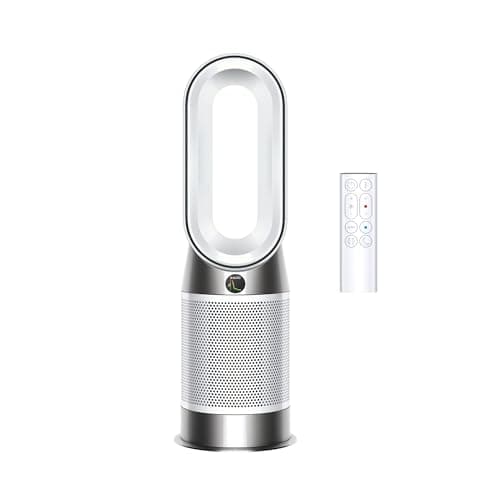
Dyson vs Dyson
$500 vs $364
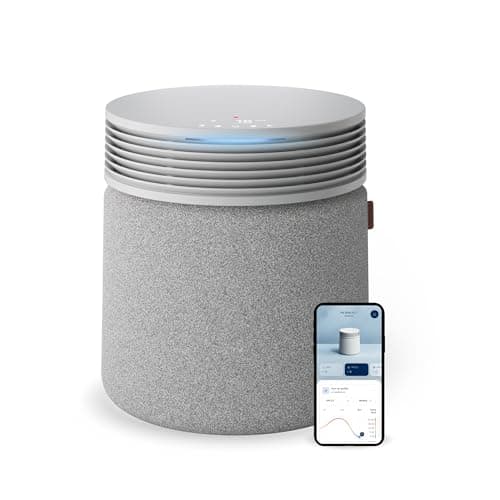
BLUEAIR vs Dyson
$345 vs $500
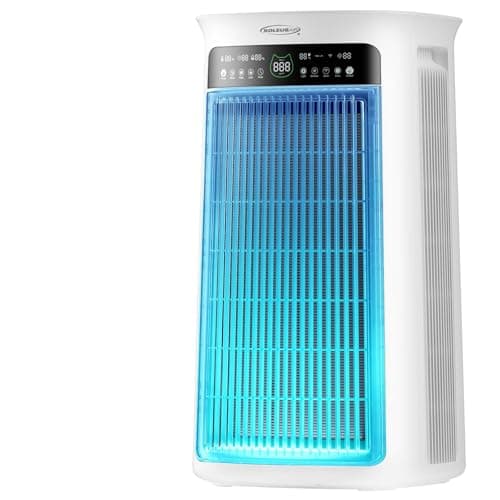
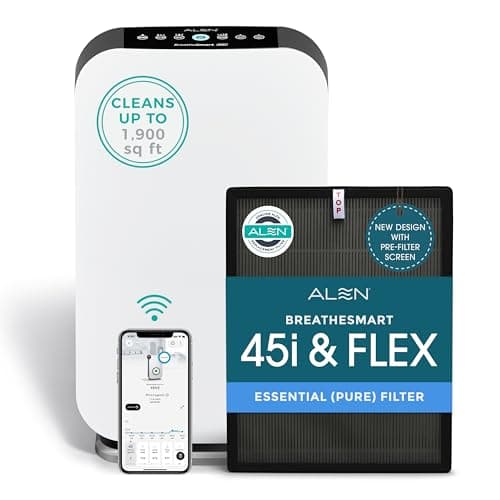
Soleus Air vs Alen
$500 vs $404
Dyson vs Dyson
$500 vs $550
Dyson vs Dyson
$500 vs $454
Soleus Air vs Dyson
$500 vs $454
Alen vs Dyson
$464 vs $500
Dyson vs Dyson
$500 vs $526
Soleus Air vs Alen
$500 vs $479
Soleus Air vs Alen
$500 vs $464
Coway vs Dyson
$649 vs $500
Coway vs Dyson
$749 vs $500
Soleus Air vs Dyson
$500 vs $650
Alen vs Dyson
$404 vs $500
Coway vs Dyson
$399 vs $500
Explore Other Categories
Popular comparisons across the site



Ask AI
Get instant answers about specs
Get the Deets
Ask our AI assistant
Ask Deets anything!